Back on Sale: Ukraine's Largest Chemical Plant and Its Role in Global Trade
One of Ukraine's largest chemical plants is back on the auction block. This development matters not only for the country but also for global ammonia and fertilizer markets, which influence food prices worldwide.
The State Property Fund of Ukraine has announced a renewed attempt to sell the Odesa Portside Plant (OPZ). This facility is a key producer of ammonia and urea, essential components for fertilizer production. The first auction in late 2025 failed due to a lack of buyers. But now the situation is shifting: four foreign companies—three from the West and one from the Middle East—have signed confidentiality agreements to explore the deal.
Why Is This Plant So Important?
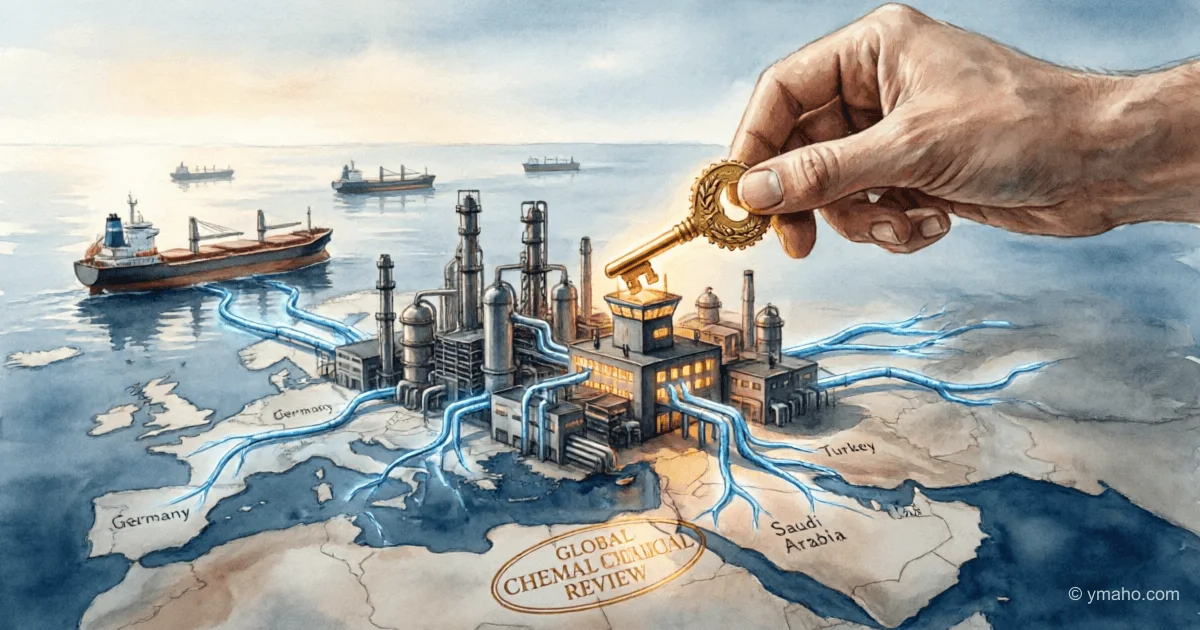
OPZ is not just a large plant. It is located in a port, making it a strategic hub for exporting chemical products. Ammonia and urea are raw materials for nitrogen fertilizers. Without them, agriculture in many countries cannot produce enough grain, vegetables, and other crops. Imagine a massive plant supplying a key ingredient to the entire global food production chain. If its operations are disrupted or ownership changes, it could affect food costs from Europe to Asia.
Head of the Fund, Dmytro Natalukha, has directly called this asset "complex." This means the enterprise has historical management issues and possibly equipment problems. But complexity also hides opportunities. For an international investor, acquiring such a facility offers a chance to gain control over a significant portion of the chemical products market in the Black Sea region.
What Does the Sale Mean for the Global Economy?
Privatization of a major state-owned enterprise always sends a signal to markets. Here are several key points:
- Global Dependence: Global agriculture heavily relies on nitrogen fertilizer supplies. Major producers include Russia, the United States, China, and several European countries. Ukraine, through plants like OPZ, also plays a role. Transferring the plant to a private, likely foreign, owner could alter supply dynamics and prices.
- Investment Climate: A successful sale of a large, complex asset to foreigners would be seen as a positive signal that serious investments are possible in Ukraine even in challenging sectors. This could attract more capital to the region.
- Geopolitics and Logistics: The plant is located in the port of Odesa. This is a gateway through which products can reach Europe, the Middle East, and Africa. The new owner will determine the routes and destinations for shipments, influencing the global trade map.
The sale process is akin to trying to sell a very large, unique house. The first time, no buyers emerged because everyone saw only the difficulties. But now potential buyers have come to inspect, assess risks, and identify opportunities. Their interest shows that the asset has value, even if it requires significant investment and management.
What Matters
Key facts to know about this situation:
- OPZ is one of Ukraine's largest producers of ammonia and urea, critical for fertilizer production.
- The plant previously failed to sell, but now there is interest from four international investors.
- The deal could reshape the supply structure of chemical products on the global market.
- A successful privatization would be a positive signal for other major investments in Ukraine.
- The plant's operations directly affect the food production chain in various countries.
What Does This Mean for Ordinary People?
While the sale of a chemical plant in Ukraine may seem like a distant topic, it has real consequences for many. Changes in fertilizer production and exports can, in the long run, affect food prices in stores. Moreover, large international investments contribute to regional stability and development, ultimately impacting the global economy as a whole. Following such a deal is a way to understand how big economic decisions on one side of the world can ripple into people's lives on the other.
— Editorial Team









