Humanitarian Loopholes: How Border Schemes Undermine Trust in International Aid
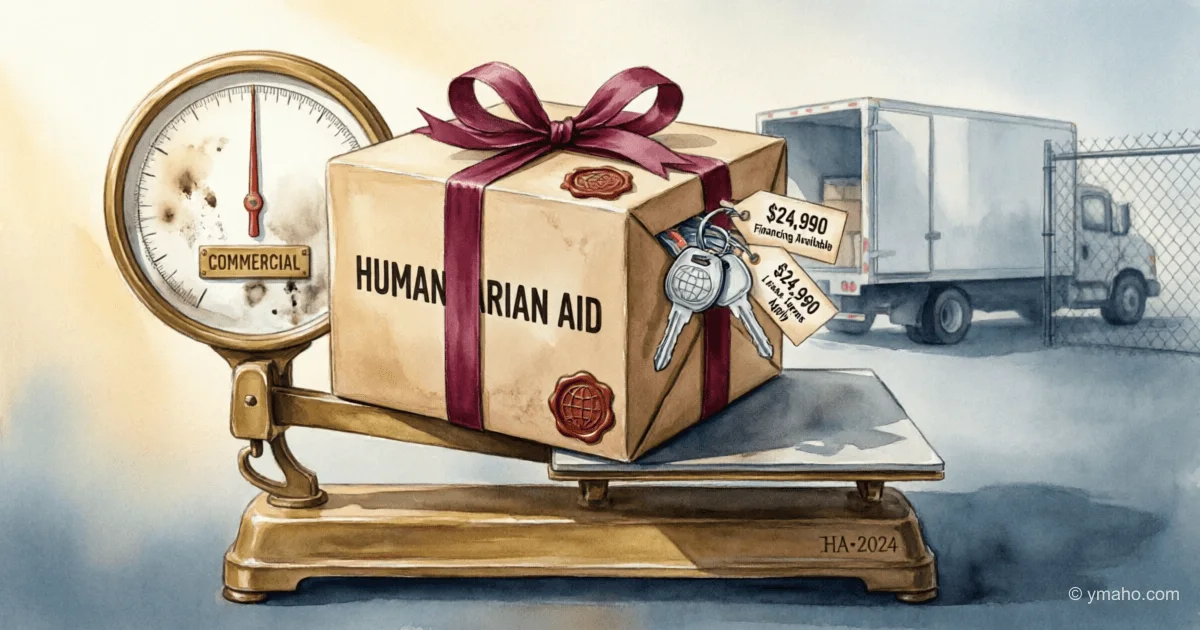
When charitable shipments turn into black-market commodities, the damage extends beyond national budgets—it erodes trust among international partners. A recent exposure at Ukraine’s western border vividly demonstrated how easily good intentions can become a cover for ordinary commerce.
How the Scheme Worked in Practice
Law enforcement discovered that the head of one charitable foundation had established a steady channel for importing passenger vehicles from EU countries. The cars crossed the border under the guise of humanitarian aid intended for the armed forces. This allowed them to bypass standard customs duties and taxes normally applied to commercial shipments. Customs exemptions are official allowances granted by the state for specific cargo types, ensuring faster and cheaper delivery to those who genuinely need it.
Imagine giving your neighbor a box of supplies during a storm, only for them to immediately list it for sale at market price. That’s essentially what happened with dozens of foreign-made vehicles. According to investigators, around a hundred cars passed through this channel between 2024 and 2026 alone. Some were temporarily registered under the foundation’s name before being quietly sold for cash. During searches, authorities seized 14 vehicles, draft financial records, electronic devices, and cash. Courts have since imposed arrest orders on all identified vehicles.
Why This Goes Beyond One Region
At first glance, this appears to be just another regional smuggling case. But the mechanism used by the organizers touches on much broader issues in international logistics and trade regulations. When humanitarian corridors are exploited for commercial gain, insurance providers and logistics operators automatically raise inspection fees. This slows down real aid deliveries and increases costs for donors worldwide.
Similar incidents have already been documented in Odesa and Mykolaiv regions, where aid was redirected toward municipal infrastructure projects. Such precedents force foreign foundations to tighten internal controls. Instead of dispatching resources quickly, organizations now spend weeks on additional audits and legal checks. This creates a domino effect: the more suspicion arises at borders, the more complicated cross-border cooperation becomes.
• Around 100 vehicles imported as aid over two years.
• 14 vehicles and financial documents seized during searches.
• The scheme exploited the charity’s status to bypass customs duties.
• Similar cases have already emerged in other border regions.
Key Takeaways
- Humanitarian exemptions exist to save lives, not to optimize taxes.
- Border abuses directly increase logistics costs for honest suppliers.
- International donors respond to such news by tightening procedures, slowing down aid.
- Supply chain transparency is becoming a prerequisite for continued cooperation with the EU.
- Law enforcement is gradually closing loopholes, but oversight must become systemic.
Evidence confirms the scheme operated for an extended period with clear financial motives. Experts suggest that without stronger digital cargo tracking, similar risks will persist—though this remains an assessment rather than a proven scenario.
What does this mean for ordinary people?
When border rules are broken, everyone pays the price—from volunteers to regular consumers facing higher delivery costs. Honest logistics and transparent reporting aren’t just bureaucracy; they’re guarantees that aid reaches its intended recipients and markets remain stable. Ultimately, partner trust directly affects how quickly and affordably we access essential resources in daily life.
— Editorial Team









