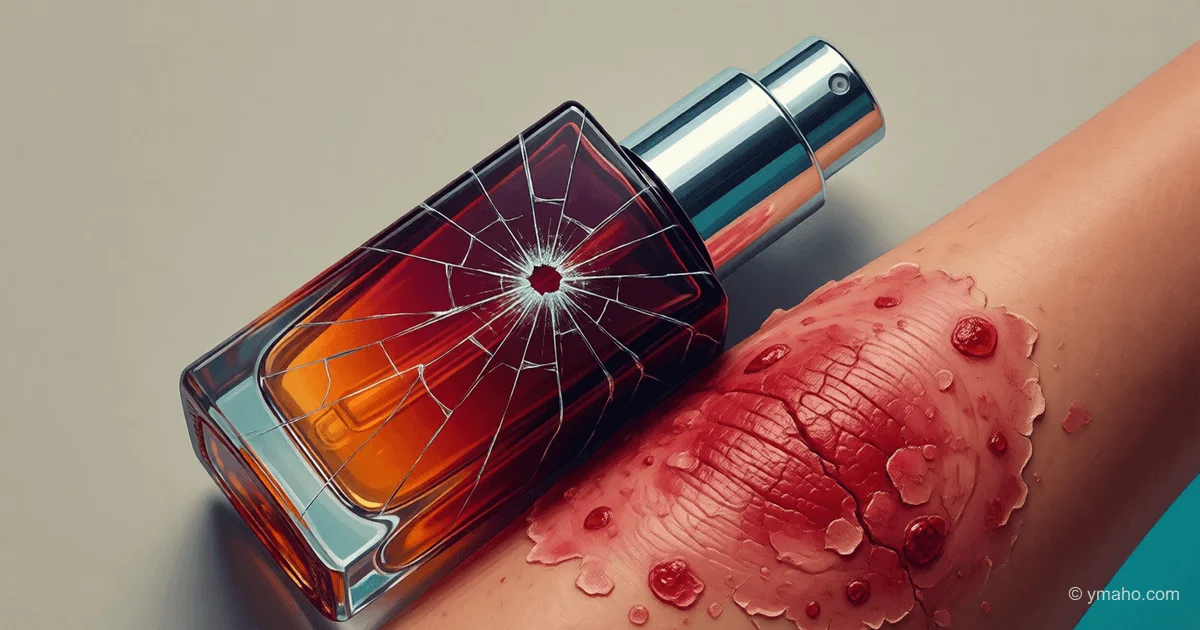
Cosmetics Giant Shiseido Recalls Batch of Retinol Serums Due to Risk of Photodermatitis
A Roskachestvo inspection on May 20 revealed a formula stability issue in the Night Reform series No. B327; use is recommended to be discontinued.
Shiseido is recalling a batch of Night Reform No. B327 serums due to the risk of photodermatitis. From an insider's perspective, this is not just an isolated defect but a sign of a systemic failure in contract manufacturing management and the acceleration of innovation.
What is really happening
The official reason is a formula stability violation. In reality, this means that retinol degraded into retinoic acid unevenly or formed by-products. This happened either due to a dosing error at the production stage (human error in the cleanroom) or due to a break in the temperature chain at the end of the logistics cycle (last-mile distortion). A specific stabilizer ingredient (likely BHT or a chelating agent) stopped working, leading to phototoxicity.
Timeline and context
The recall was initiated after a Roskachestvo inspection on May 20, 2026. For Shiseido, this incident hits two fronts: quality and regional strategy. The company has been aggressively increasing its share in the Russian premium segment through parallel imports and direct supplies, competing with L'Oréal and Estée Lauder. Now, the investigation will affect control over contract manufacturing plants (likely outsourcing in Southeast Asia or Europe). This is also a blow to the high-dose retinol trend—the race for millimoles where marketing often outpaces chemistry.
Who wins and who loses
Winners: Consumer lawyers (preparing a class action lawsuit for at least $2–4 million USD just for reputational damage and health risks), Shiseido's competitors (L'Oréal and SkinCeuticals will divert luxury traffic), and Russian cosmeceutical brands (may capture conservative audiences tired of global brands).
Losers: Shiseido itself (shares will drop, estimated loss from recall and compensation: $8–12 million USD), retailers "Zolotoe Yabloko" and "Letual" (forced to block warehouse stock), and ordinary consumers without insurance (aesthetic photodermatitis takes a long time to treat and costs $100–200 USD per dermatologist course).
What the media is not telling
Key insight: The formula broke down due to a new, not fully tested solubilizer (a substance that helps retinol dissolve in water without alcohol). Shiseido used a "green" solvent to replace PEG, which is cheaper but less predictable. This is a hidden risk of the entire "clean beauty" industry—synthetics are predictable, while bio-alternatives are often finicky. Old proven preservatives (phenoxyethanol) and solubilizers worked flawlessly for decades, and their replacement with "natural" alternatives led to the degradation of active molecules.
Roskachestvo found the problem by chance—during routine stability monitoring, not due to complaints. But consumers had already been complaining for 2 weeks before the inspection, yet the data was not processed quickly enough by the CRM.
Forecast: next 30 days and 90 days
Next 30 days (until June 22, 2026):
- Data disclosure: An internal report will reveal which packaging batch caused a micro-leak of oxygen, killing the stabilizer. The tube or bottle manufacturer (likely Quadpack or APC) will bear financial responsibility.
- Prosecutor's lawsuit: In Russia, under Article 238 of the Criminal Code (provision of services not meeting safety requirements), a case may be opened against the legal entity. The company faces a turnover-based fine.
- Market reaction: Shiseido will issue a press release strengthening quality control and offer free dermatologist visits for affected consumers—a marketing gesture costing around $200,000–300,000 USD.
Next 90 days (until August 22, 2026):
- Retinol trust crisis: Premium retinol sales in Russia will drop by 15–20%. Mass-market will continue to grow as they use micro-doses and encapsulation.
- Formula revisions: At least two major brands will re-check their retinol stabilizers, causing launch delays of 2–3 months.
- Leader replacement: Estée Lauder will capture shelf space in Russian chains for its Advanced Night Repair line, investing $500,000 USD in promotion in July–August.
Bottom line: The incident will accelerate the shift to "oil-free" emulsions with thicker ceramic bottles instead of thin plastic, as they better protect retinol from light and air. Expect packaging costs for a good serum to increase by about $1–2 USD per unit, which will translate into a retail price increase of +5–7%.
— Editorial Team









