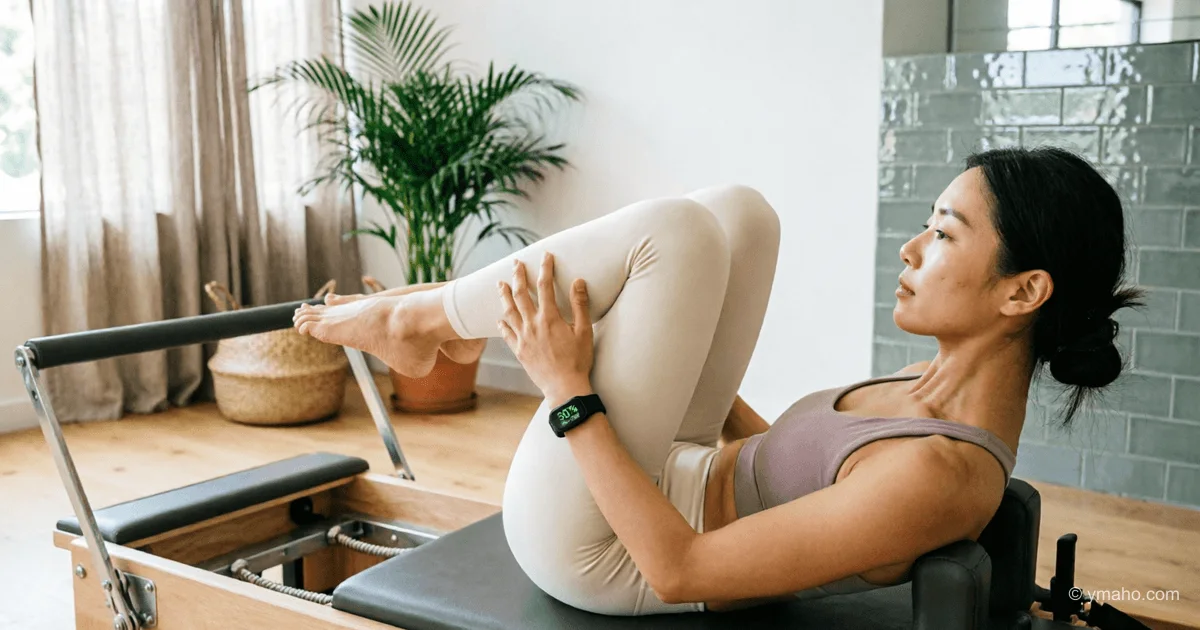
Soft Fitness and Body Awareness: From Aggressive Workouts to Joint Health
Gentle practices are gaining popularity: Pilates, barre, somatic exercises, and even walking as a full-fledged fitness. The focus is shifting from "fixing figure flaws" to improving mobility, posture, and breathing for long-term health.
Soft Fitness and Body Awareness: Why 2026 Became a Turning Point for the Health Industry
Introduction
The fitness industry is experiencing a tectonic shift that can be called a "quiet revolution." In 2026, the slogan "no pain, no gain" has finally lost its ground, giving way to the philosophy of gentle movement and body awareness. Pilates, yoga, barre, and even mindful walks have pushed out exhausting HIIT workouts and the cult of "killer" loads.
This transition is not a fleeting trend or a marketing gimmick. It is a deep cultural shift reflecting changing values of modern people: the race for external perfection is being replaced by a demand for long-term well-being, mental health, and sustainable energy without depleting the body's resources. This article analyzes the causes, mechanisms, and consequences of this shift.
Event Details and Timeline
From the Heyday of HIIT to the Demand for Recovery
The 2010-2020s were the era of high-intensity fitness. HIIT workouts, CrossFit, and burpees were seen as the most effective path to the dream body: maximum calories in minimum time. This model worked until its consequences became obvious.
By 2024, fitness communities were flooded with complaints about chronic fatigue, joint injuries, elevated cortisol levels, and sleep problems. It turned out that constantly working at the limit leads to hormonal imbalance, especially in women. The body could no longer cope, and people began to seek alternatives.
2025-2026: The Bifurcation Point
2025 was a turning point. According to PureGym data analyzing global search queries, interest in walking yoga surged by an impressive 2414%, and in Nord Pilates by 750%. At the same time, the "4-2-1 workout" — a popular interval scheme — saw a sharp decline in searches, indicating a systemic rejection of ultra-intensive formats.
A study by the National Fitness Community confirms this trend: in 2025, 71% of new fitness outlets in Russia were studio-format (Pilates, yoga, barre), while classic clubs accounted for only 22%. People voted with their wallets for access to gentle, mindful practices.
By 2026, "soft fitness" had firmly secured its place at the top. The Zone Zero concept, proposed by international fitness brand Les Mills, set a new standard: workouts with a heart rate below 50% of maximum, where movement does not feel like exertion and breathing remains free.
Impact and Significance
A New Understanding of Workout Effectiveness
The key breakthrough of recent years is the realization that workout effectiveness is measured not by calories burned or exhaustion levels. Low-impact and low-intensity formats show comparable, and in some aspects superior, results for long-term health.
Studies show that regular gentle exercise:
- Improves metabolic control and reduces triglyceride levels;
- Reduces waist circumference — a key marker of cardiometabolic risk;
- Lowers the risk of depression and anxiety;
- Improves cognitive functions, including memory and executive abilities.
Moreover, Swedish scientists analyzing data from nearly 320,000 adults found that even small improvements in cardiorespiratory fitness reduce the risk of death by 2.8% for each milliliter increase in VO2 max — regardless of initial fitness level.
Joint Health and Hormonal Balance
This trend is especially significant for women's health. Avoiding high-impact activities (running, jumping, burpees) reduces the risk of knee and hip joint injuries, which are more vulnerable in women due to pelvic structure. In overweight individuals, impact load on joints increases 3-4 times, turning every run into a trial.
Additionally, gentle practices do not cause chronic elevation of cortisol — the stress hormone that, in high concentrations, destroys muscle tissue, promotes abdominal fat storage, and disrupts the menstrual cycle. A stable hormonal balance, on the contrary, supports reproductive health and slows aging processes.
Psychological and Social Aspects
Perhaps the most important shift has occurred in the mental sphere. Traditional fitness was often associated with self-violence, guilt over missed workouts, and shame for a "non-ideal" body. This alienated huge groups of potential clients, especially young people.
The democratic wellness gaining momentum in 2026 is based on three principles: inclusivity (accessible to any age and body type), focus on sensations (rather than external results), and psychological safety (no comparisons or judgment). In such an environment, people stop "enduring" workouts and start loving them — and that is the key to long-term adherence.
Reactions of Key Players
Fitness Chains and Studios
Major players have quickly responded to changing consumer preferences. Pilates and barre studio chains are growing at double-digit rates. PureGym, one of the largest operators in the UK, has included walking yoga, plank hover (advanced plank), and Nord Pilates in its 2026 recommendations. Les Mills launched the Zone Zero program line, including yoga nidra and breathing practices with heart rate below 50% of maximum.
In Russia, according to RBC, fitness studios are shifting from selling "results at any cost" to creating a safe space for long-term development. The product line includes gentle practices (yoga nidra, qigong, myofascial release), mindfulness sessions, and functional training in calm formats.
Professional Community
Experts are unanimous: the trend is not a "female whim" or a temporary fad. Methodologists at World Class warn that classic exercises (burpees, reverse push-ups, planks over 30 seconds) can be injury-prone due to biomechanical issues. Fitness is increasingly seen as a tool for prevention, not extreme transformation.
Media Space
Glossy magazines, including Marie Claire, note the "death of HIIT" and the rise of low-impact training as the dominant narrative. The Global Wellness Summit included "Over-Optimization Backlash" in its list of top 10 trends for 2026, noting that people are tired of endless self-improvement and are choosing approaches that help them feel safe and alive.
Forecast and Conclusions
A Trend That Will Stay
Soft fitness is not a passing fad. It meets the fundamental needs of modern people: reducing chronic stress, preventing age-related diseases, maintaining mobility and mental health. It is "building a body that serves you for years," not a temporary change in appearance.
It is expected that by 2027-2028, low-impact practices will become standard in corporate wellness programs, medical rehabilitation, and even school education. The concept of "movement as pleasure" will replace the cult of achievement, just as mindful eating previously replaced strict diets.
What's Next?
The new era of fitness is:
- Personalization. Trainers will consider not only physical fitness but also nervous system type, hormonal status, and psychological readiness for loads.
- Technology integration. Wearable devices will stop "punishing" for low activity and will instead suggest optimal recovery and gentle movement zones.
- Zoning. The Zone Zero, Zone 1 (aerobic), and Zone 2 (moderate) concept will become the standard for planning a training week, where intensity alternates with recovery.
Recommendations for Readers
If you are just looking into soft fitness:
- Start with 2-3 Pilates or yoga sessions per week;
- Add daily mindful walks of 20-30 minutes with a focus on breathing;
- Explore barre formats for posture and grace;
- Do not hold a plank for more than 30 seconds per set — it does not enhance the effect and only increases intracranial pressure.
The main lesson of the "quiet revolution" is simple: true strength lies not in the ability to endure pain, but in the ability to care for yourself consistently and with love. And that is the most sustainable trend that will stay with us for a long time.
— Editorial Team









