How Kyiv’s Solar Panel Initiative Could Impact Your Electricity Bills
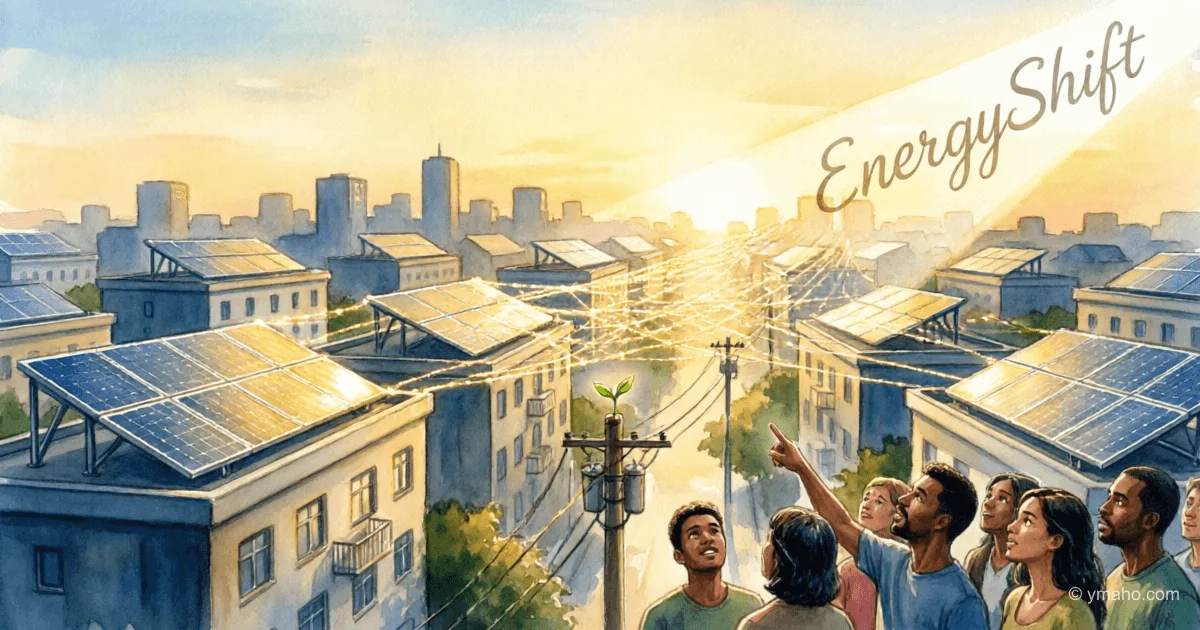
Residents in Kyiv now have an easier path to securing funding for solar panels on multi-family buildings. But this isn’t just local news—it’s part of a global movement that could lower your utility bills and benefit the planet. Picture your building generating its own power, acting like a mini power plant on the roof. For thousands of households worldwide, this is already reality.
The city has rolled out an online platform to streamline solar installation subsidies for apartment complexes. Homeowners can now submit applications directly through the municipal portal, where an integrated calculator instantly estimates the subsidy amount. Think of it like booking a service through a mobile app: a few clicks and you’re all set. The program covers up to 50% of the system’s cost, capped at 600,000 UAH per building.
Why This Matters Globally
Solar power isn’t just a passing fad. It’s a cornerstone of energy independence—a goal every nation is currently chasing. Following the escalation of conflict in Ukraine, Europe quickly recognized the dangers of relying heavily on imported fossil fuels. Today, countries like Germany and Denmark are aggressively incentivizing residential solar installations. Kyiv’s new program is a modest step in a much larger shift that’s already reshaping the global energy landscape.
Imagine every residential building functioning as an independent power generator. When thousands of these “micro-generators” operate in tandem, they significantly ease the strain on centralized infrastructure. It’s similar to how a city thrives better with hundreds of neighborhood stores rather than relying on a single massive warehouse—the entire network becomes more resilient. Best of all, this clean energy produces zero air pollution, unlike coal or natural gas.
How It Works in Practice
- 50% Subsidy Coverage: The government reimburses half the cost of a solar setup, with a maximum cap of 600,000 UAH per building.
- Fully Digital Application: Everything is processed online through the city portal—no queues, no paperwork.
- Real-Time Calculator: Input your desired system capacity, and get your exact subsidy amount in under two minutes.
- Eligible Applicants: Homeowner associations (OSBBs), housing cooperatives, and other property management entities.
It’s comparable to using a retail coupon, except instead of saving on groceries, you’re investing in sustainable home infrastructure. As more communities tap into these programs, solar panels will quickly become a standard household feature—much like televisions or air conditioners were decades ago.
What This Means for Everyday Consumers
Even if you don’t live in Kyiv, this development directly impacts you. First, when governments actively subsidize solar energy, mass manufacturing drives down hardware costs. Over the past decade, the price of solar systems has plummeted by roughly 90%, making them accessible to nearly everyone. Second, decentralized power generation makes nations far less vulnerable to supply shocks. If you’re generating your own electricity, a major outage at a central plant won’t leave you in the dark.
The bottom line: every solar-equipped building is a step toward a more stable climate. Solar power emits zero CO2, the primary driver of global warming. This isn’t hypothetical—Germany already generates about 10% of its national electricity from sunlight. Just imagine the impact if this became the global norm.
Why it matters?
- Residential solar can slash electricity bills by 30–50%.
- Decentralized power generation reduces reliance on imported fuels.
- A worldwide transition to renewables is our best defense against the worst effects of climate change.
Key things to know:
- Incentive programs exist worldwide: Germany offers a 30% subsidy, while the U.S. provides a 26% federal tax credit.
- Solar is no longer just for suburban homes; it’s increasingly practical for dense urban apartment buildings.
- Continuous cost reductions are steadily expanding solar accessibility to broader demographics.
What does this mean for everyday people?
It means more opportunities to cut energy costs through solar adoption. Widespread use of clean power also helps mitigate environmental risks. And perhaps most importantly, every household can play a direct role in achieving greater energy independence.
— Editorial Team









