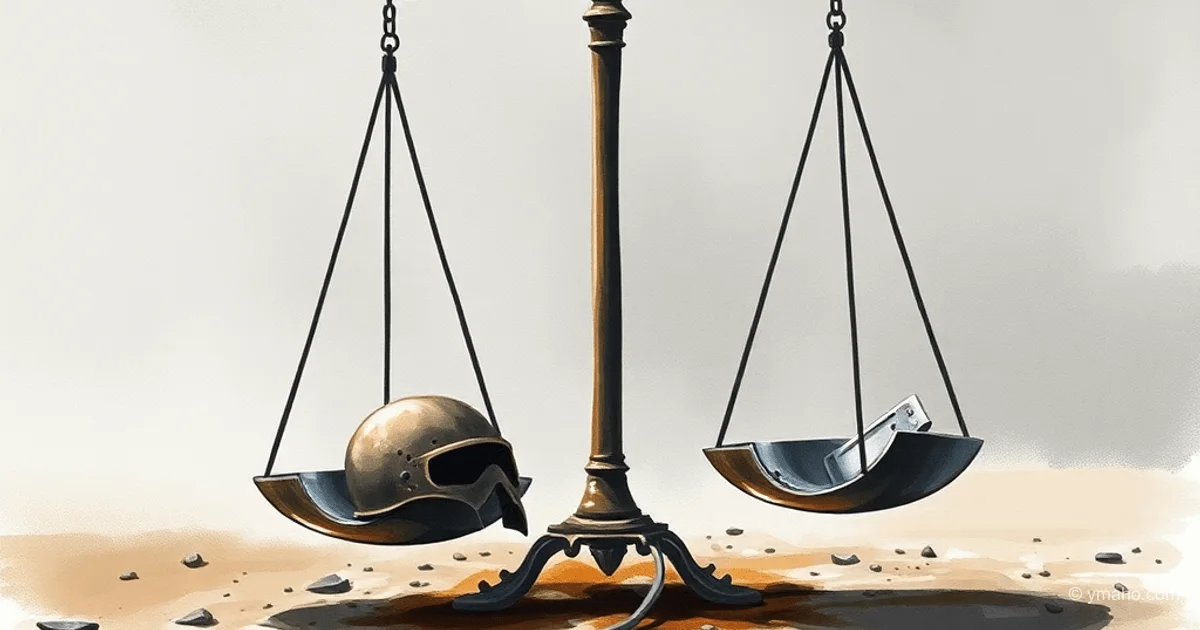
Soldiers Accused of Assault Return to Duty, Sparking Legal Debate
Five Israeli soldiers accused of sexually assaulting a Palestinian detainee have been cleared to return to military service. This decision matters because it shows how legal systems can struggle to hold their own members accountable, especially during wartime, affecting trust in institutions everywhere.
The soldiers were part of a unit guarding military prisons. They had been charged after video footage showed them abusing a detainee, causing serious injuries described in a military indictment. However, Israel's top military lawyer dropped all charges last month, citing complex evidence and the fact the victim was released back to Gaza. The army's chief has now authorized them to return to reserve duty, with some already back in combat roles.
The Gap Between Evidence and Action
Even with video evidence and a detailed medical report from a shocked doctor at the facility, the legal case collapsed. The military advocate general said there were 'difficulties' in the evidence. Think of it like having a clear photo of a car crash, but the driver can't be prosecuted because the license plate is blurry—the system sees the damage but can't pinpoint blame in a way that leads to punishment.
Human rights organizations like Amnesty International call this a pattern. They point out that despite many reports of abuse in detention centers, only one Israeli soldier has been sentenced for torturing a Palestinian detainee since the recent war began. This creates a feeling of impunity, where people feel certain actions won't be punished.
What Detainees Have Reported
Reports from released Palestinians and journalists describe a pattern of mistreatment:
- Routine physical beatings.
- Deprivation of adequate food.
- Instances of sexual assault.
A UN expert has previously accused Israel of systematically torturing Palestinians in custody. These accounts, from multiple sources over time, paint a picture of a system where abuse is a risk for those detained.
Key Takeaways
- Legal processes can be halted by procedural challenges, even when apparent evidence exists.
- Military justice systems often operate separately from civilian courts, with different standards and pressures.
- Accountability in conflict zones is exceptionally difficult, as victims may be unreachable and systems prioritize operational continuity.
- International rights groups monitor these gaps as indicators of systemic justice failures.
- The return of accused personnel to active duty signals institutional priorities to the public and the world.
What Does This Mean for Regular People?
When soldiers accused of serious crimes return to duty without a trial, it can erode public confidence in the fairness of institutions. For people everywhere, it highlights how difficult real accountability can be during war, and why independent oversight is crucial. Ultimately, these decisions shape how societies view justice and the rule of law.
— Editorial Team









