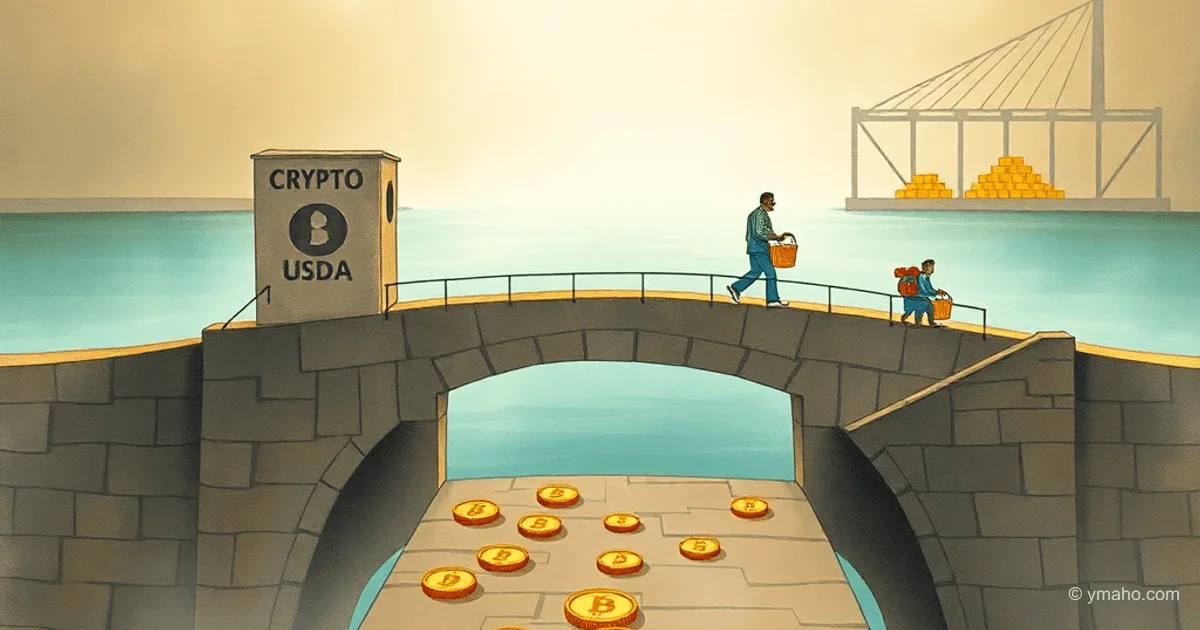
Stablecoins Build Bridges Between Crypto and Traditional Markets
Imagine trading oil prices or stock indices using digital dollars that never wobble in value—no bank account needed. A quiet partnership between two crypto platforms is making this possible, and it could reshape how everyday people access global markets in the future.
World Liberty Financial (WLFI) and decentralized exchange Aster DEX recently teamed up to use a stablecoin called USD1 for settling "TradFi Perpetuals." But what does that actually mean for someone who just wants to understand the news over coffee? Let’s unpack it like explaining a board game to a friend.
What Are TradFi Perpetuals? (No Finance Degree Required)
TradFi Perpetuals let people bet on traditional financial assets—like gold, oil, or stock indexes—through cryptocurrency platforms. The "perpetual" part means these bets never expire, unlike regular futures contracts. Think of it like a never-ending poker game where you're wagering on whether the price of coffee beans will rise or fall, but settled digitally.
Until now, traders often had to convert their digital dollars (stablecoins) into other tokens just to play this game. It’s like needing to swap your US dollars for arcade tokens before buying a concert ticket—annoying and inefficient. The new partnership cuts out that middle step.
USD1: Your Digital Dollar That Stays Steady
USD1 is a stablecoin—a cryptocurrency pegged to the US dollar so 1 USD1 should always equal about $1. This stability matters because you wouldn’t want the "cash" in your digital wallet bouncing around while you’re betting on wheat prices. It’s like using physical dollars instead of volatile collectible cards to play that poker game.
On Aster DEX, traders can now use USD1 directly as their trading fuel for these TradFi contracts. No more extra swaps. It’s as if your local coffee shop finally started accepting cash instead of forcing you to buy prepaid cards first.
Why This Shift Changes the Game
This isn’t just about convenience for crypto traders. It signals a bigger trend: stablecoins are evolving from simple payment tools into specialized financial building blocks. Instead of competing by getting listed on more exchanges (like every new credit card promising "more places to spend"), they’re finding real-world jobs:
- Institutional adoption: Big-money managers now use platforms like BitGo Mint to handle USD1
- Exchange integrations: Crypto platforms like MEXC let users stake USD1 for rewards
- DeFi lending: WLFI’s lending platform uses USD1 as collateral for loans
It’s like how credit cards evolved from basic payment tools to offering travel insurance and cashback—each finding its niche.
Key Takeaways
- Stablecoins are becoming specialized tools for advanced financial products, not just digital cash
- Direct USD1 integration simplifies trading traditional assets on crypto platforms
- This trend could eventually make global markets more accessible and transparent
- Derivatives trading remains complex and risky—best approached with caution
What Does This Mean for Regular People?
If you’ve ever felt locked out of global markets due to high fees or complex broker requirements, this points toward simpler, cheaper access in the future. For now, it mainly helps active crypto traders, but it’s a step toward financial tools that work like everyday apps—no finance jargon needed. Just remember: new tools don’t eliminate risk, so always understand what you’re using before jumping in.
— Editorial Team









