Why $1.5 Billion Was Just Pledged for Sudan — and What It Really Means
Three years into a brutal civil war, world leaders have pledged $1.5 billion to help people in Sudan survive. But with millions still trapped in violence, hunger, and displacement, the real question isn’t just about money—it’s whether this aid can reach those who need it most.
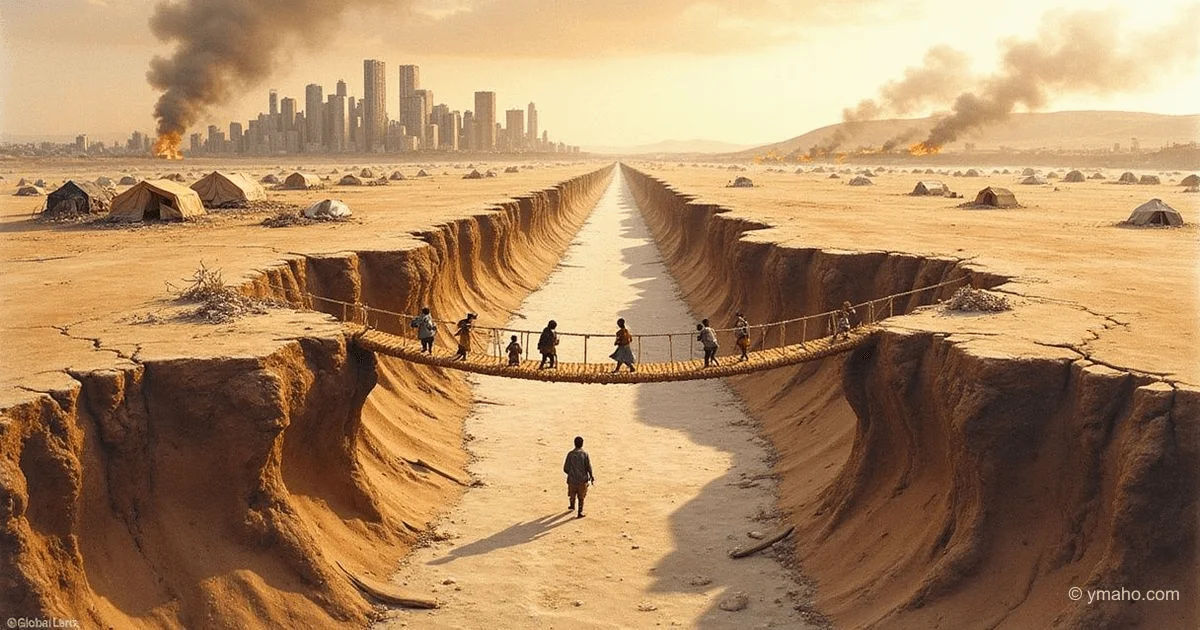
Sudan, a country in northeast Africa slightly larger than Texas, has been torn apart since April 2023 by fighting between its national army and a powerful paramilitary group called the Rapid Support Forces (RSF). Think of it like two rival security teams—once allies—now battling for control of the entire country, with civilians caught in the crossfire.
A War With No End in Sight
The conflict began after a shaky power-sharing deal collapsed between the military and the RSF. Since then, nearly 34 million people—about two-thirds of Sudan’s population—now need urgent humanitarian help. Over 4.5 million have fled their homes, many walking for days with nothing but the clothes on their backs. Women and girls face extreme risks, including widespread sexual violence, according to UN reports.
Despite the scale of suffering, peace talks have stalled. At the recent donor conference in Berlin, neither warring side was invited—a decision that angered Sudan’s government, which called the meeting a “colonial approach” for bypassing its authority. Meanwhile, the RSF stayed silent, only marking the war’s anniversary online.
Why This Matters Beyond Sudan
This isn’t just Sudan’s problem. The war is spilling over borders. Neighboring countries like Chad, South Sudan, and Egypt are overwhelmed by refugees. Regional economies are straining under the pressure, and instability could ripple further—disrupting trade routes, food supplies, and migration patterns across Africa and beyond.
As UN Secretary-General António Guterres put it: “The consequences are not confined to Sudan. They are destabilising the wider region.”
Where the Money Goes—and What It Can’t Fix
The $1.5 billion pledged includes $250 million from Germany alone. This funding supports basics like food, clean water, medical care, and shelter. But here’s the catch: aid can only help if it actually reaches people. Roads are blocked, airports are damaged, and armed groups often block deliveries—or worse, steal supplies.
Humanitarian groups also face another hurdle: neutrality. To operate safely, they must avoid taking sides. But when one party (like Sudan’s government) accuses donors of treating both sides as equally guilty, trust erodes—and access shrinks.
Key challenges include:
- Access: Many areas remain unreachable due to active fighting.
- Security: Aid workers risk kidnapping or attack.
- Coordination: Dozens of agencies work independently, sometimes duplicating efforts or missing gaps.
- Long-term needs: Emergency aid keeps people alive today—but doesn’t rebuild schools, farms, or hospitals for tomorrow.
What Does This Mean for Regular People?
If you live far from Sudan, this might feel distant. But global crises affect us all. Refugee flows can shift labor markets and public services in host countries. Food shortages in one region can raise prices worldwide. And prolonged conflicts create breeding grounds for extremism and disease outbreaks that don’t respect borders.
Most importantly, this moment reminds us that money alone won’t stop a war. Peace requires political will—and inclusion of Sudanese voices, not just foreign pledges.
Key Takeaways
- Nearly 34 million Sudanese—two-thirds of the population—need emergency aid.
- Donors pledged $1.5 billion, but delivery is hampered by violence and access issues.
- The war is destabilizing neighboring countries and regional trade.
- Excluding warring parties from peace talks risks deepening mistrust.
- Long-term recovery needs more than cash—it needs safe corridors, local leadership, and sustained diplomacy.
— Editorial Team









