How Telcoin's Token Powers Global Money Transfers: A Simple Guide
Sending money to another country can feel like jumping through hoops — high fees, slow waits, and confusing steps. Telcoin (TEL) aims to change that by using blockchain, but its success hinges on how its token is designed. Let’s break down Telcoin’s tokenomics in plain terms, so you can see if this system actually makes sense for everyday use.
What Exactly is Telcoin Trying to Do?
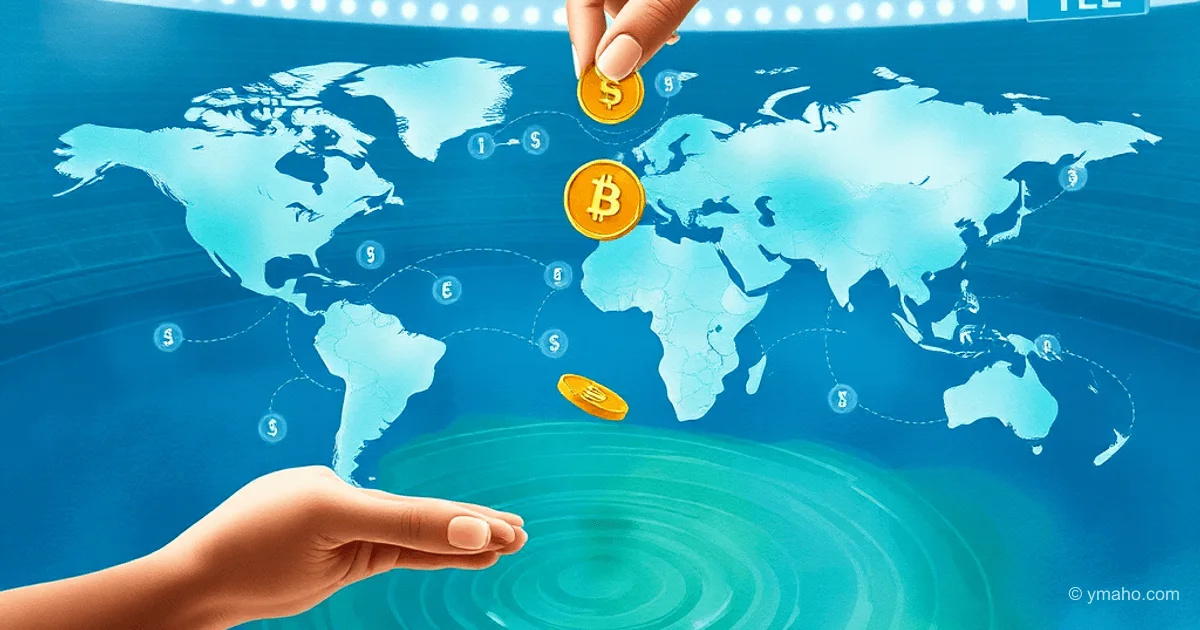
Telcoin wants to make cross-border payments as easy as sending a text. Imagine you’re in the U.S. sending money to family in the Philippines. Today, banks and services like Western Union take days and charge hefty fees. Telcoin’s network uses blockchain to cut out the middlemen, aiming for near-instant transfers at a fraction of the cost. But for this to work, it needs a token — TEL — that powers the entire system. Think of TEL like digital coins in an arcade: you need them to play the games (send money), and the more people play, the more valuable the coins become.
How TEL Works: More Than Just Payment Fuel
TEL isn’t just for paying fees. It’s the backbone of Telcoin’s ecosystem, serving four key roles:
- Transaction Gas: Every time you send money via Telcoin, you pay a small fee in TEL (like putting gas in your car to drive).
- Staking for Security: People who "stake" TEL (locking it up to support the network) earn rewards, similar to earning interest in a savings account. This keeps the network secure.
- Liquidity Rewards: On Telcoin’s built-in exchange (TELx), users who provide trading pairs earn TEL — like getting a bonus for helping a store stay stocked.
- Governance Voting: Stakers can vote on network upgrades, giving them a say in Telcoin’s future.
This multi-use design creates constant demand for TEL. If more people use Telcoin for remittances, they’ll need more TEL for fees, staking, and trading — potentially increasing its value over time.
Supply and Distribution: A Fixed Pie, Sliced Smartly
TEL has a fixed total supply (like a limited edition collectible), set at launch. But not all tokens are circulating yet. Instead, they’re gradually released as rewards to:
- Validators: Who secure the network (earning TEL for processing transactions).
- Liquidity Providers: Who fund the exchange (getting TEL for enabling smooth trades).
- Developers and Users: Who build apps or refer friends (receiving TEL incentives).
Here’s the clever part: a portion of every transaction fee is "burned" (permanently removed from circulation), which can make remaining tokens scarcer — like taking slices out of a cake, making each leftover piece more valuable.
Why This Matters for You
Telcoin’s model links token value directly to real-world use. If it gains traction in cross-border payments — a $1.5 trillion market — TEL demand could grow organically. But success isn’t guaranteed. Regulatory hurdles in different countries could slow adoption, and partnerships with mobile carriers (like Vodafone or Orange) are crucial for reaching everyday users.
What Does This Mean for Regular People?
If Telcoin succeeds, you might send money abroad faster and cheaper using apps you already have on your phone. But remember: this is experimental. While the token design looks thoughtful, widespread adoption depends on real-world partnerships and regulations — not just tech. For now, it’s a promising idea worth watching, not a guaranteed solution.
Key Takeaways
- Telcoin uses TEL tokens to power cross-border payments, staking, and governance.
- Its fixed supply and "burn" mechanism aim to create scarcity as usage grows.
- Success hinges on mobile carrier partnerships and regulatory approval worldwide.
— Editorial Team









