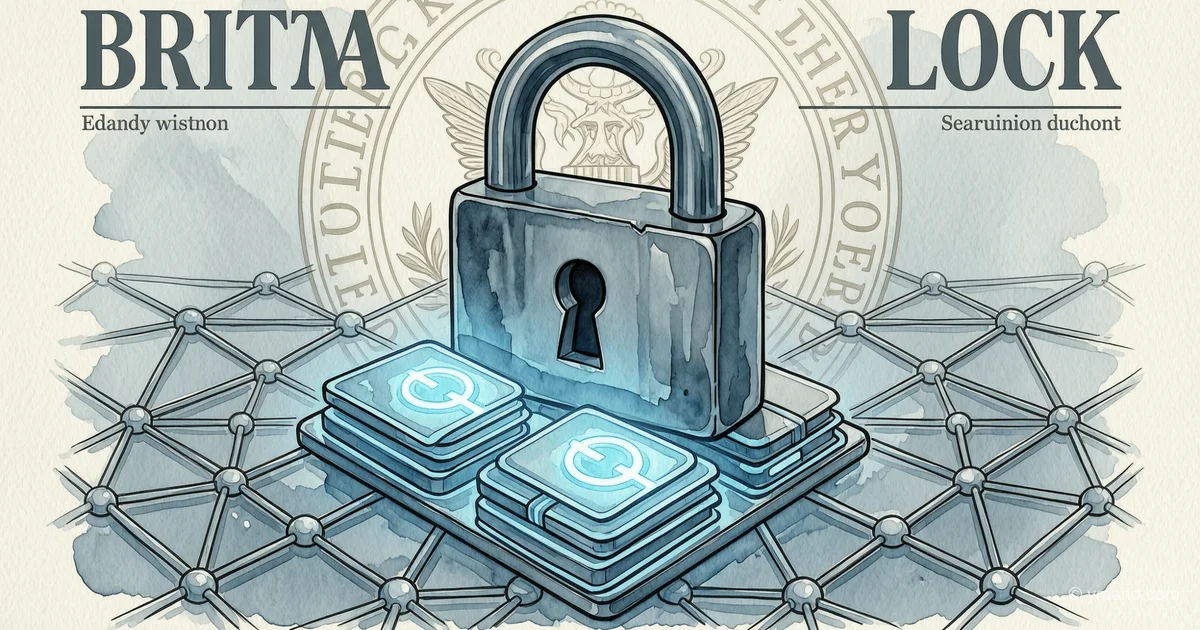
Tether Freezes Over $344 Million in USDT After U.S. Authorities Flag Suspicious Wallets
Tether, the company behind the popular stablecoin USDT, has frozen more than $344 million worth of tokens on the Tron blockchain. This action, taken in coordination with U.S. law enforcement, is one of the largest freezes in the company's history.
What Happened and Why It Matters
On April 23, 2026, Tether blacklisted two digital wallet addresses holding a combined $344 million in USDT. A stablecoin is a type of cryptocurrency designed to maintain a steady value, usually pegged to a real-world currency like the U.S. dollar. USDT is the most widely used stablecoin, with billions of dollars in circulation.
The freeze was triggered after U.S. authorities, including the Office of Foreign Assets Control (OFAC) — the agency that enforces economic sanctions — flagged these wallets for potential ties to illegal activities such as sanctions evasion or criminal networks. Tether worked with law enforcement to block the funds, preventing them from being moved or spent.
How Tether Can Freeze Funds
Unlike Bitcoin or Ethereum, where transactions are generally irreversible, USDT has a central issuer — Tether — that can lock or "freeze" tokens in specific wallets. This feature is often used to comply with legal requests and prevent illicit use. Think of it like a bank being able to freeze a customer's account if authorities suspect wrongdoing.
A Growing Pattern of Compliance Actions
This is not the first time Tether has frozen large sums. In November 2023, the company froze about $225 million linked to a human-trafficking investigation. In January 2026, it froze $182 million across five wallets. According to Tether, it has now frozen over $4.4 billion in total, with $2.1 billion of that tied to U.S. authorities.
The company says it works with more than 340 law enforcement agencies in 65 countries and has supported over 2,300 cases globally.
The Bigger Picture: Stablecoins and Crime
Stablecoins like USDT have become popular tools for both legitimate users and criminals. Because they can be transferred quickly and anonymously across borders, they are sometimes used for money laundering, sanctions evasion, or scams. However, the ability to freeze funds gives regulators a tool to fight back.
This action also comes after two major crypto hacks — the $285 million Drift Protocol attack and the $292 million Kelp DAO exploit — both linked by investigators to North Korean hackers. In those cases, Circle, the issuer of the USDC stablecoin, faced criticism for not freezing funds. Circle argued it can only act when required by law. Tether's quick freeze highlights a different approach.
Key Takeaways
- Tether froze $344 million in USDT on the Tron blockchain after U.S. authorities flagged the wallets.
- The freeze is one of the largest compliance actions by a stablecoin issuer.
- Tether has now frozen over $4.4 billion in total, working with law enforcement worldwide.
- This shows that even decentralized-looking crypto can be controlled by central issuers when legal pressure is applied.
- The action contrasts with Circle's response to recent hacks, where it did not freeze funds.
What Does This Mean for Regular People?
For everyday users, this freeze is a reminder that stablecoins are not completely outside the reach of governments. If you hold USDT, your funds could be frozen if authorities suspect illegal activity — even if you're not involved. It also shows that crypto companies are increasingly cooperating with law enforcement, which may reduce the appeal of crypto for criminals but also raises questions about privacy and control.
— Editorial Team









