Ticketmaster Found Guilty of Illegal Monopoly — What It Means for Concertgoers
A US jury has ruled that Live Nation and its ticketing arm Ticketmaster illegally held a monopoly over live concerts — a decision that could reshape how you buy tickets and what you pay. If you’ve ever felt ripped off by hidden fees or frustrated when your favorite show sells out in seconds, this verdict directly addresses those pain points.
Why This Case Matters to You
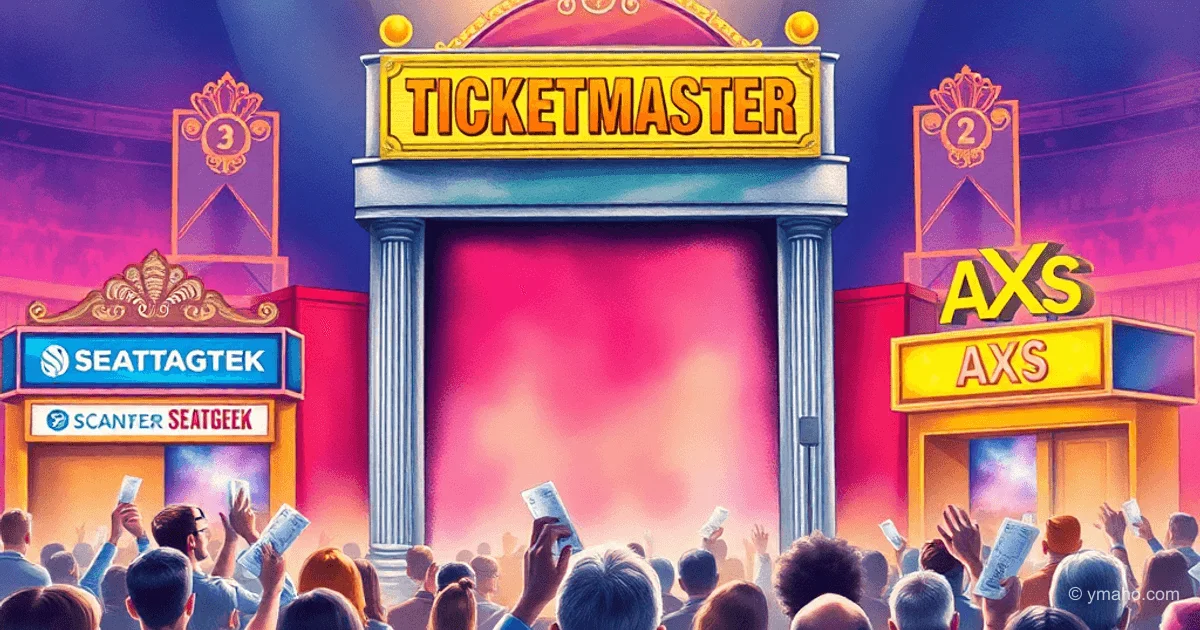
For years, fans have complained that Ticketmaster dominates the market so completely that there’s no real alternative. Now, a federal jury agrees: Live Nation used its control over venues, artists, and ticket sales to shut out competitors and inflate prices. The company owns or controls booking at hundreds of major venues across the country — from amphitheaters to stadiums — and often forced them to use only Ticketmaster, blocking rivals like SeatGeek or AXS.
Think of it like a grocery store that not only sells food but also owns the farms, the delivery trucks, and the shelves — then tells other brands they can’t stock their products unless they pay huge fees or agree to be hidden in the back aisle. That’s the kind of control regulators say Live Nation built.
How the Monopoly Worked
Live Nation merged with Ticketmaster in 2010, combining concert promotion with ticket sales. Since then, it’s grown to control about 86% of the major concert market. The lawsuit showed internal emails where executives mocked customers as “so stupid” and joked about “robbing them blind.” One executive even called certain ticket prices “outrageous” — yet kept pushing them.
The company argued it succeeded through hard work, not anti-competitive tricks. But the jury sided with 30+ states and the Justice Department, concluding that Live Nation didn’t just win fair and square — it rigged the game.
Key tactics included:
- Requiring venues to sign long-term deals that banned them from using other ticket sellers
- Threatening to pull big-name artists from venues that tried to switch platforms
- Bundling services so promoters had to use both Live Nation’s promotion and Ticketmaster’s sales
What Happens Next?
This verdict doesn’t immediately lower ticket prices, but it opens the door to major changes. The next phase — called “remedies” — will decide what to do about the monopoly. Possibilities include:
- Forcing Live Nation to sell off Ticketmaster entirely
- Banning exclusive contracts with venues
- Imposing strict caps on service fees
- Requiring venues to offer tickets through multiple platforms
The judge has asked both sides to propose a timeline for these decisions within days. Meanwhile, Live Nation could face hundreds of millions in damages — roughly $1.72 per ticket sold in 22 states — plus additional penalties.
What Does This Mean for Regular People?
If reforms take hold, you might finally see real competition in ticket sales. That could mean lower fees, better website performance during high-demand sales (remember the Taylor Swift crash?), and more choices when buying tickets. It won’t happen overnight, but this ruling is the strongest legal blow Ticketmaster has faced in decades — and the first time a jury has officially labeled it a harmful monopoly.
Even if Live Nation appeals (which it likely will), the verdict sends a clear message: dominating a market isn’t illegal — but using that power to crush rivals and overcharge customers is.
Key Takeaways
- A federal jury found Live Nation/Ticketmaster guilty of maintaining an illegal monopoly in live entertainment.
- The company controlled venues, artists, and ticketing in ways that blocked competitors and raised prices.
- Internal messages revealed executives mocking fans and admitting to excessive pricing.
- The next legal phase will determine whether Ticketmaster must be broken up or forced to change its business practices.
- Real-world impact for fans could include lower fees, better service, and actual choice in ticket sellers — but not immediately.
— Editorial Team









