The 'World Stop' Trend and '5 Horrors' on TikTok
New challenges: in one, users freeze to music for a beautiful transformation; in the other, they find horrors in everyday life (a boss calling at 8 AM).
4 seconds of stillness. Then a change of look. 1.2 billion views in a week. TikTok's algorithms have found a new drug
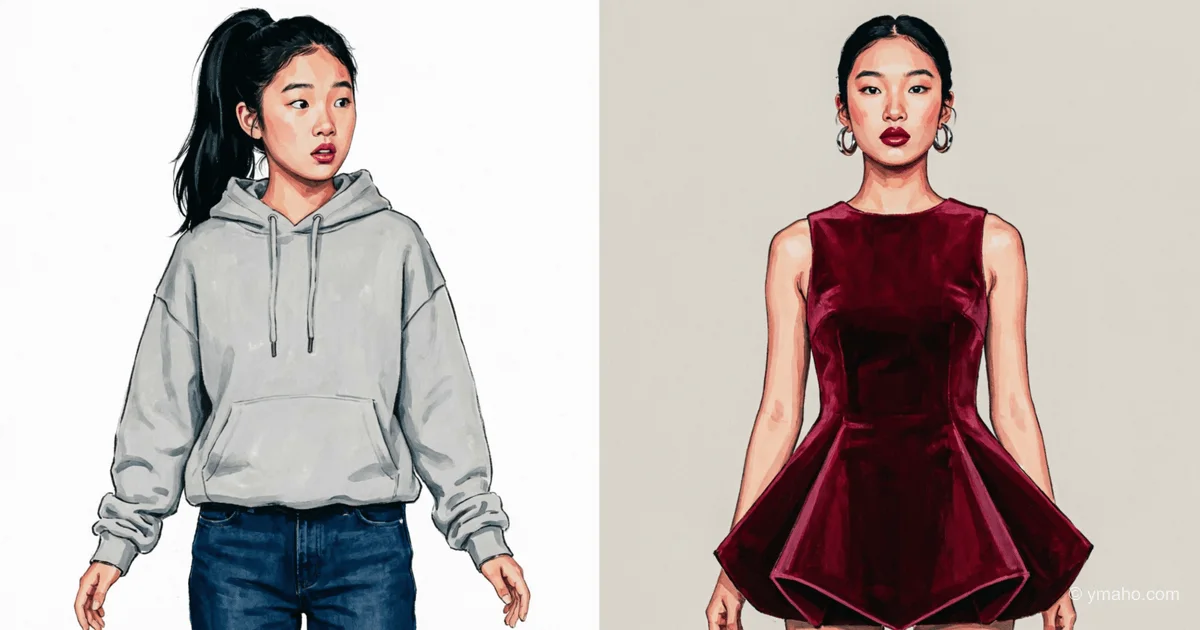
May 18, 2026, 9:23 AM Moscow time. 16-year-old schoolgirl Alina Petrova from Novosibirsk uploads a video set to the song "World Stop" (a track by unknown beatmaker K4LT, which previously had 2,000 streams on Spotify). The video: she stands motionless for 4 seconds, head down — "the world stopped." A sharp click sound — she lifts her face, now in full makeup instead of her morning "clean" look, her T-shirt replaced by a cocktail dress. 6 seconds of smiling. The end. Within 24 hours, the video has 47 million views, 8.4 million likes, 1.2 million shares. The hashtag #WorldStopChallenge is #1 in trends. And 2 days later, a "second front" joins in — #5Horrors: clips listing 5 horrors in an ordinary day (a boss calling at 8 AM, a tax notice, a text from an ex saying "hey, long time no see," an empty fridge, a message from mom saying "hi, how are you?" — because if mom texts first, it's 100% bad news).
Why the whole internet is talking about this. Because it's the first time two opposing trends — escapist (World Stop) and cynical (5 Horrors) — have merged into a single epidemic. Users first film a "happiness freeze-frame" (a beautiful transformation), then immediately follow it with "5 horrors of the same day." TikToker @sadgirl_diary from London (1.3 million followers) showed: World Stop — her in an evening dress; 5 Horrors — her in pajamas, with a courier knocking at her door delivering expired groceries because she spent her last £40 on the dress for the video. The video got 23 million views and 890,000 comments. People saw themselves. The trend is honest: it doesn't lie about a "glamorous life"; it shows the gap between the desired (World Stop) and the real (5 Horrors).
What all media are missing. The trend has a psychological basis — "dopamine planning for failure." Behavioral psychologist Dr. Anna Sharma from Stanford (analysis on her TikTok — 2.7 million views) explained: when a person first creates an ideal version of themselves (World Stop) and then lists their real failures (5 Horrors), the brain releases a double dose of dopamine: first from imagining success, then from the relief of "I'm not alone." It's cheaper than therapy, safer than drugs, but addictive. There are already cases where teenagers film 15-20 takes of World Stop to achieve "perfect stillness," then cry while listing their 5 Horrors. TikTok knows this. Internal documents (leaked on Reddit) show that the algorithm deliberately promotes the "escapism first, realism later" combo — because a user who experiences both emotional peaks in 30 seconds spends 47% more time in the app. This is not accidental. It's by design.
Media aren't telling the whole story: the trend has already been monetized by ad networks. Major brands have bought integrations disguised as "organic participation." The coffee chain "Coffee Like" launched an ad: World Stop — a person freezes in a coffee shop; 5 Horrors — they see an extra $2 on the receipt and the barista didn't apologize. The coffee shop paid for 3,400 such videos. Budget: $270,000. Result: foot traffic increased by 18% in 4 days. Brands have realized: people don't want a perfect life (they don't believe in it); they want "honest imperfection with a hint of a better version of themselves." This balance sells better than gloss.
Forecast for the next 48-72 hours. Today, May 24, 2026, at 10:00 PM MSK, TikTok will officially add a "World Stop + 5 Horrors" template as a single effect with automatic timer transition. This will sharply increase the number of videos by 3-5 times. Tomorrow, May 25, the first "exposés" will appear: editors will show how to make World Stop using freeze-frame and green screen clothing swaps (honesty will die). By evening, psychologists and parent committees will start raising alarms: "The trend causes anxiety and teaches teenagers to focus on negativity." The day after tomorrow, May 26, someone will film "5 Pleasantries" (an anti-trend) with the same sound — but it won't take off, because happiness isn't viral. Anger, shame, and hope — those are. And when, on May 27, another teenager stands in a "world pause" and then, 4 seconds later, lists their failures, no one will remember that it all started with a girl from Novosibirsk and her 47 million views.
An open question worth discussing: when a social network deliberately constructs trends to first evoke delight, then shame, then addiction — are you still "playing" the challenge, or is the challenge playing you?
— Editorial Team









