How Tokenized Gold Works: A Simple Guide to On-Chain Real-World Assets
Imagine being able to own a tiny piece of gold—like the kind stored in vaults or worn as jewelry—but trade it instantly online, just like sending a text message. That’s the idea behind tokenized gold, and systems like GoldFinger aim to make it real. For everyday people, this matters because it could change how we save, invest, or even send value across borders—without needing banks or physical bullion.
Turning Real Gold Into Digital Tokens
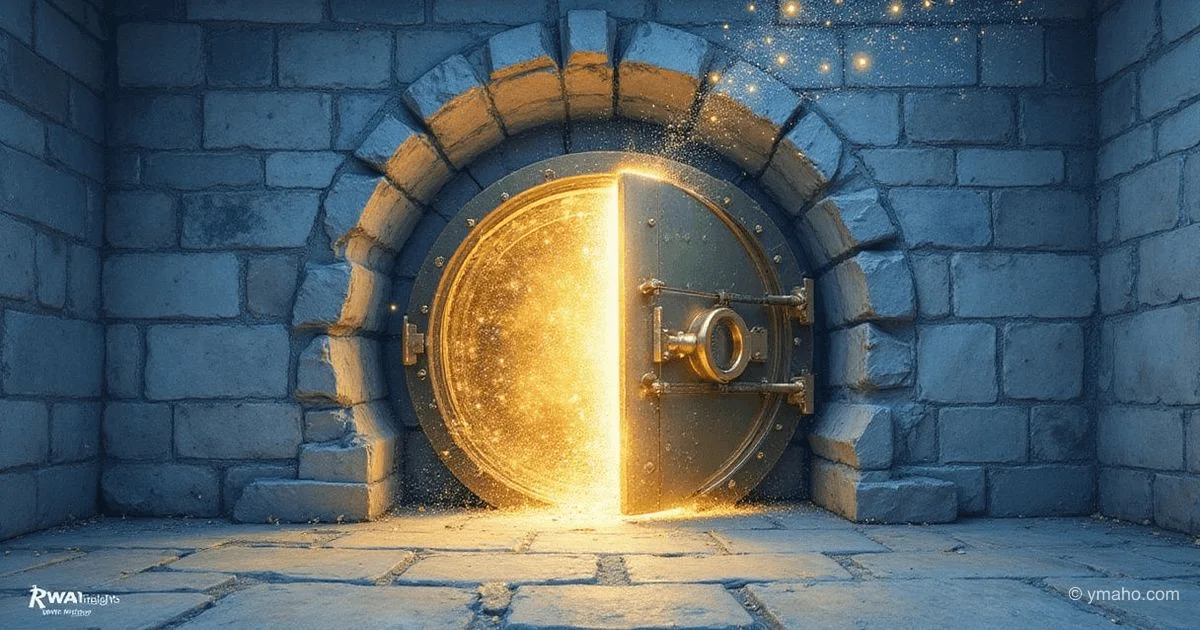
Tokenizing gold means taking actual physical gold and creating digital tokens that represent ownership of it. Think of it like getting a concert ticket: the paper (or phone screen) isn’t the show itself, but it proves you have a seat. Similarly, each digital token stands for a specific amount of real gold held safely somewhere else.
This process starts when verified gold—usually bars from trusted sources—is locked in secure vaults managed by professional custodians. Once confirmed, a smart contract (a self-running computer program on a blockchain) issues digital tokens equal to the gold’s value. These tokens can then be sent, traded, or used in financial apps online.
The Closed Loop: From Vault to Wallet and Back
A well-designed tokenized gold system works like a loop:
- Deposit: Physical gold enters a secure, audited vault.
- Mint: Tokens are created on the blockchain, matching the gold’s weight or value.
- Use: People trade or use those tokens in digital finance (DeFi) apps.
- Redeem: Anyone can swap tokens back for real gold (or its cash equivalent), which burns the tokens and closes the loop.
This cycle ensures that every token in circulation is backed by real metal—not just empty promises. If too many tokens existed without enough gold, their value would drop, just like if a country printed too much money.
Why Proof of Reserve Matters
You can’t peek into the vault yourself, so how do you know the gold is really there? That’s where “Proof of Reserve” comes in. It’s a way to publicly prove that the amount of gold held matches the number of tokens issued.
Some systems use third-party audits—like an independent accountant checking a company’s books. Others publish cryptographic proofs (like digital receipts) that anyone can verify online. Either way, transparency builds trust. Without it, tokenized gold would be no different from any unbacked digital currency.
What Can You Actually Do With Tokenized Gold?
Once gold lives on the blockchain, it becomes programmable. That means it can interact with other digital tools:
- Lend or borrow: Use your gold tokens as collateral to get a loan, similar to using your car title.
- Earn yield: Add tokens to liquidity pools (shared trading funds) to help others trade and earn small fees.
- Send value globally: Transfer gold-backed value across borders faster and cheaper than traditional wire transfers.
Unlike physical gold—which you’d need to store, insure, and ship—tokenized gold moves with a few clicks.
What Does This Mean for Regular People?
Tokenized gold won’t replace your savings account overnight, but it offers new options for preserving value in uncertain times. If inflation rises or local currencies weaken, holding assets tied to real gold could act like a life raft. Plus, it opens doors to global financial tools that were once only available to big investors. Just remember: the system only works if the gold is truly there—and if trustworthy people are watching over it.
Key Takeaways
- Tokenized gold turns physical metal into digital tokens backed 1:1 by real reserves.
- A “closed loop” system ensures tokens can always be redeemed for real gold or equivalent value.
- Proof of Reserve mechanisms—like audits or cryptographic proofs—verify that backing exists.
- These tokens can be used in DeFi for lending, trading, or cross-border payments.
- Risks remain around custody quality, regulatory rules, and transparency—not technology alone.
— Editorial Team









