How Real-World Assets Move On-Chain: A Plain-English Guide to Tokenization and Settlement
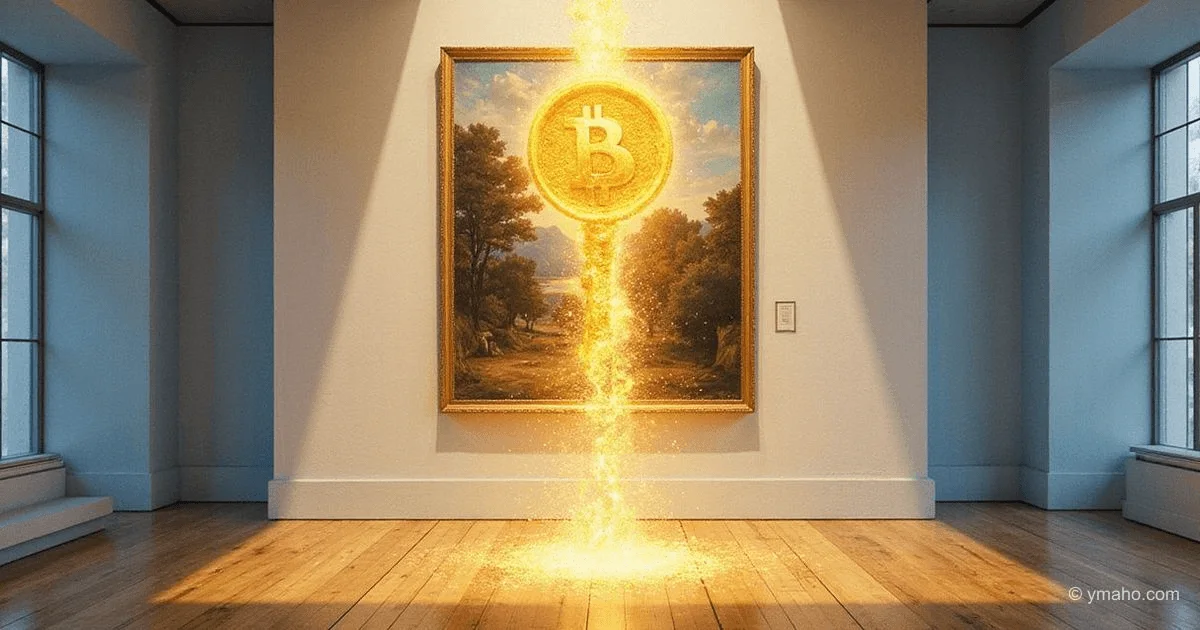
Imagine you own a rare painting. You can’t just upload it to the internet—but what if you could prove you own it, sell shares of it, or trade it instantly with someone across the world? That’s the promise of systems like TX, which help turn real-world assets—like art, real estate, or bonds—into digital tokens that live on blockchains. For regular people, this matters because it could one day make investing in tangible things faster, cheaper, and more accessible.
From Physical Object to Digital Token
Real-world assets don’t magically appear on blockchains. First, they must be placed under the care of a trusted third party—like a bank or licensed custodian. Think of this like putting your painting in a secure museum vault: it’s still yours, but now there’s an official record proving it exists and belongs to you. This step is crucial because blockchains can’t “see” physical items—they only track digital data.
Once the asset is safely held off-chain, the system creates a digital stand-in: a token. This token isn’t the painting itself—it’s more like a digital deed that says, “The holder of this token has a claim on the real thing.” Only after verification and custody is this token minted on the blockchain.
Trading Without Middlemen
Once tokenized, the asset can be traded directly between users—no brokers, clearinghouses, or days-long waiting periods. When Alice buys Bob’s tokenized bond, the blockchain checks that Bob actually owns it, locks it briefly to prevent double-spending, then transfers it to Alice in seconds. The whole process happens automatically through code, not paperwork.
This is like swapping concert tickets with a friend using a secure app—instead of mailing paper tickets and waiting for them to clear at a ticket office. Every trade is recorded publicly and permanently, so everyone sees the same version of who owns what.
Settlement Happens Instantly
In traditional finance, “trading” and “settling” are separate steps. You might agree to buy stock today, but it takes two business days (T+2) for the money and shares to actually change hands. In TX-style systems, the moment the trade is confirmed on the blockchain, ownership updates immediately. There’s no gap—trade equals settlement.
This reduces risk. In the 2008 financial crisis, delays in settlement contributed to chaos when counterparties failed to deliver. With instant finality, that window of uncertainty shrinks dramatically.
How This Differs from Traditional Finance
Here’s a quick comparison:
- Asset form: Traditional = account entries in a bank ledger; TX = transferable tokens on a blockchain.
- Trading: Traditional = routed through exchanges and clearing firms; TX = peer-to-peer via smart contracts.
- Settlement: Traditional = delayed (often 1–3 days); TX = near-instant.
- Transparency: Traditional = opaque, fragmented records; TX = public, unified ledger.
Guardrails Keep the System Honest
Three core mechanisms hold everything together:
- One-to-one mapping: Each token must correspond to exactly one real asset, verified by custodians.
- State synchronization: Any change off-chain (e.g., the asset is sold) must be reflected on-chain immediately.
- Compliance checks: Rules ensure tokens can’t be issued illegally or sent to restricted parties.
Without these, the system could drift from reality—imagine tokens representing paintings that were already sold or destroyed.
What does this mean for regular people?
You likely won’t interact with TX directly, but the infrastructure it enables could reshape how you invest. Tokenized real estate, private equity, or even carbon credits might become as easy to buy as stocks—without high fees or long waits. However, this only works if the link between digital tokens and real assets stays trustworthy. For now, it’s still early, experimental, and heavily reliant on regulated partners off-chain.
Key takeaways
- Real-world assets must be held by trusted custodians before they can be tokenized.
- Tokens represent claims on assets—not the assets themselves.
- Trading and settlement happen together on-chain, unlike traditional finance.
- Transparency and speed come with new risks if off-chain verification fails.
- This isn’t replacing banks yet—it’s creating a parallel layer that depends on them for legitimacy.
— Editorial Team









