How Ukraine's Power Grid Stability Impacts Global Fuel Prices
On Wednesday, April 21, Ukraine will not experience power outages—not for industrial facilities, nor for households. This isn't just a local win: when a nation's power grid survives wartime stress, it helps stabilize fuel prices across Europe. And that, in turn, could affect your gas tank costs within a month.
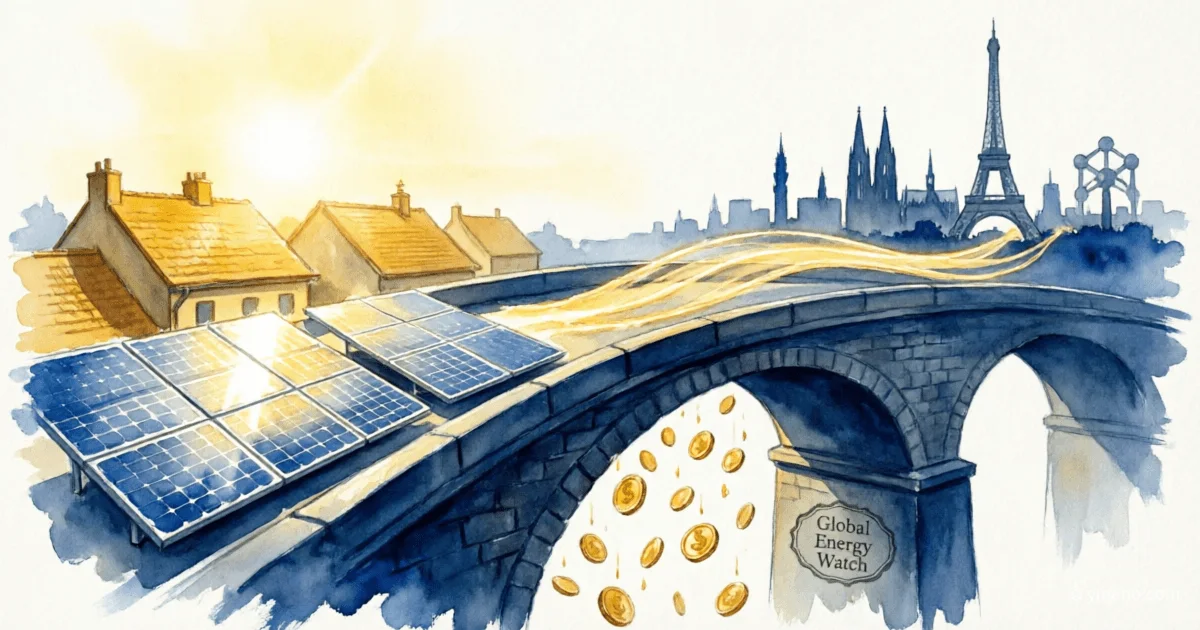
We rarely stop to think about how the electrical grid actually works. Imagine it as a major artery pumping blood throughout the body. When it gets damaged (as seen from missile strikes in Ukraine), the doctors—grid operators—have to quickly reroute power. Now, they're using solar farms as temporary bypasses. When the sun shines brightest (between 11:00 AM and 4:00 PM), these "bypasses" run at full capacity, allowing evening lights to stay on.
Why This Matters Beyond Ukraine
Ukraine isn't just a dot on a map. It's integrated into the European energy system that powers 400 million people. If its grid were to collapse, it would trigger a cascade of issues:
- Cascading blackouts in neighboring countries due to overloaded shared transmission lines
- Spikes in natural gas prices driven by surging demand for alternative sources
- Supply delays for European factories relying on Ukrainian electricity
So when Ukrenergo urges people to shift laundry loads and air conditioning use to peak sunlight hours, this isn't just a Ukrainian story. It's a global lesson in crisis-driven energy conservation. Think of it like charging your phone off a portable solar panel after a hurricane to stay connected.
The Ripple Effect: From Crude Oil to Your Wallet
Alongside Ukraine's grid stability, another key development is underway: oil prices have been falling for a week straight. This isn't just distant news. When global crude prices drop, it sends waves that reach every shoreline. Right now, those waves are hitting Ukrainian gas stations—retail pump prices are already starting to dip.
But this is just the beginning. Falling oil prices act like a reduction in the cost of the world's primary fuel. If you've ever filled up a car, bought an airline ticket, or shipped a package, you've indirectly paid for oil. Those hidden costs may start to ease slightly. Though, as always, there will be a slight lag.
Key Takeaways
- For the first time in a long while, Ukraine has avoided widespread blackouts during active conflict
- Solar power has become the critical stabilizer for a war-damaged grid
- Global oil price declines are beginning to trickle down to Ukrainian retail markets
- Energy efficiency during crises is becoming Europe's new baseline
What does this mean for everyday people?
It proves that even amid warfare, ways to maintain energy stability can be found. For you, this might mean slower electricity price hikes across Europe. It also highlights how solar energy helps prevent grid chaos. By conserving power during daylight hours, we keep the evening streetlights a little brighter for everyone.
— Editorial Team









