How Ukrainian Trucks Are Affecting Your Grocery Prices: What the Statistics and War Reveal
Picture this: you walk into the grocery store and notice the price of bread has suddenly jumped. Why are Ukrainian trucks involved? Surprisingly, quite directly. In March, Ukraine registered just 1,261 new semi-trucks—a key clue to why your groceries could see a price hike within just a couple of months.
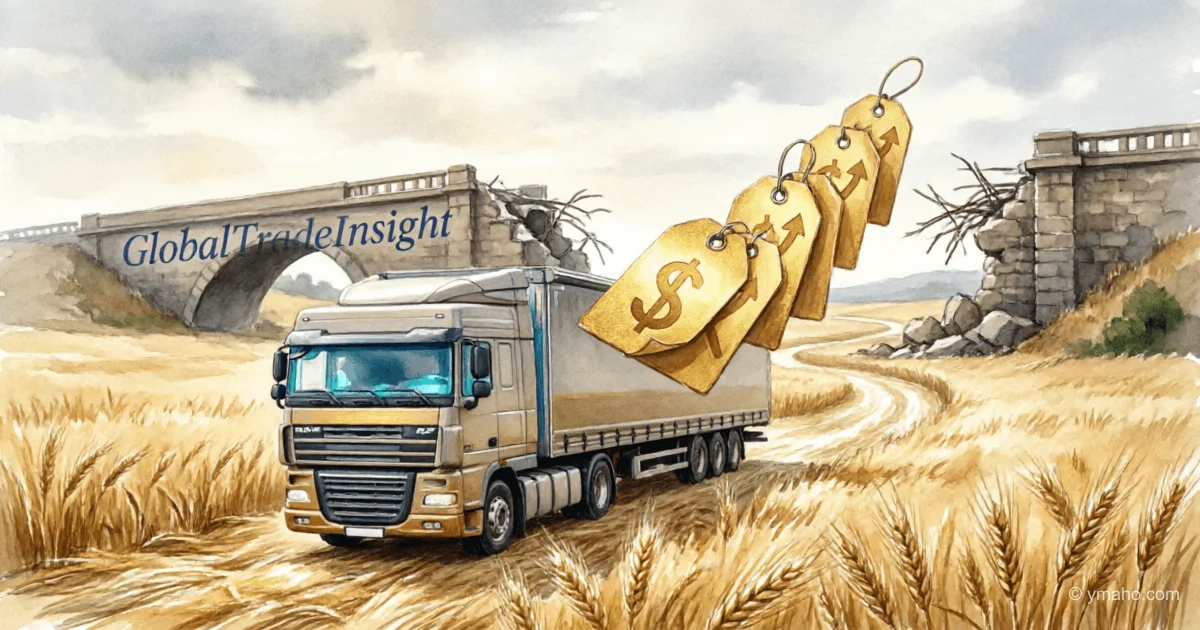
Ukraine is one of the world’s largest grain exporters. Due to the war, Black Sea shipping routes have been partially blocked, making trucking the primary artery for moving wheat. If the country lacks enough vehicles, grain can’t reach the border, which means global reserves are shrinking. It’s like having a burst pipe in your house—first it affects one room, but soon the water runs out everywhere.
Why Truck Registration Data Matters Globally
March data flashes some warning signs. While domestic sales of used tractors rose 12% month-over-month, the market shrank 6.4% year-over-year. Think of it like finding loose change in your pocket now and then, yet your total balance keeps dropping. The bottom line: Ukrainian carriers are barely staying afloat after two years of war.
The drop in newly imported trucks is especially alarming, down 24.4% in a single month. Only 62 new units were registered. It’s like trying to bail out a leaking boat with a teaspoon: aging trucks wear out, while fresh imports barely trickle in. Market leaders like European brands DAF XF, MAN TGX, and Volvo FH can’t make up for this shortfall, as manufacturing across the EU has also slowed amid an economic downturn.
How Used European Trucks Impact Your Wallet
Here’s an interesting paradox: imports of used trucks from Europe rose just 2.3%, yet they’re still down 11% compared to last year. Why are European companies offloading their fleets? Usually, this happens when demand for freight transport drops within Europe itself—often due to declining industrial output. It serves as a leading indicator: if the EU economy slows down, your employers will likely feel the ripple effects soon.
The top brands in Ukraine—DAF XF (230 units), MAN TGX (137), and Volvo FH (96)—are the exact same ones dominating the European market. But right now, there’s a tight race between them: in the used equipment segment, DAF XF and MAN TGX are separated by just four units. This tells us that carriers care less about brand loyalty and more about availability and cost. For you, that means something important: when companies cut back on fleet investments, they often follow suit with payroll cuts and job reductions.
The State of Grain Logistics
Freight hauling is the heartbeat of Ukraine’s economy. Out of the 1,770 trucks registered in March, the vast majority weighing over 3.5 tons are dedicated to this sector. Yet the data shows new tractor units are arriving at a crawl. The Mercedes-Benz Actros, sitting in third place among new models with just nine units, has become the go-to choice for operators who can’t afford pricier alternatives.
Imagine a factory assembly line: if one component fails, the whole system halts. The same goes for trucking—a shortage of even 10% of vehicles can paralyze exports. Back in 2022, Ukraine shipped out 45 million tons of grain, but that flow has significantly contracted. Every unregistered tractor unit represents tons of wheat that won’t make it to your local bakery.
Here’s what you need to keep in mind:
- Ukrainian roads serve as a barometer for global supply chain health
- A 24% drop in new registrations signals a logistics crisis
- European brands dominate the market, but shipments are dwindling
- The war has turned trucking into the primary alternative to sea routes
- Global bread prices could spike in the coming months
What Does This Mean for Everyday People?
If Ukraine faces a truck shortage for grain transport, global prices for bread and flour will likely jump within two to three months. Sluggish freight activity across Europe can trigger broader economic slowdowns and job losses in your own country. Investors are currently tracking these metrics to forecast food price volatility—and you should factor them into your personal budget planning too.
— Editorial Team









