China's Labor Market: Unemployment Rises Due to Iran War and AI Adoption
China is the world's largest manufacturer and exporter. When its economy falters, it impacts global supply chains, commodity prices, and financial markets. Rising unemployment in China is a signal that cannot be ignored.
What's Happening in China's Labor Market
In March 2025, the unemployment rate among Chinese youth (aged 25–29) reached 7.7% — the highest ever recorded. For comparison, a year earlier it was 7.2%. The overall unemployment rate rose to 5.4% — a 12-month high. The situation is particularly alarming among young people aged 16–24, where unemployment approached 17%.
These numbers are not just statistics. Behind them are millions of people who cannot find work. This means consumer demand is falling, government revenues are declining, and social tension is rising.
Three Main Causes of the Crisis
- The Iran War and Trade Disruptions. The conflict in the Middle East, which has been ongoing for over two months, has disrupted energy supplies from the Persian Gulf. China is the largest oil importer, and rising energy prices have hit industry hard. Export orders have declined, and companies have started laying off employees.
- Massive Adoption of Artificial Intelligence. Citigroup estimates that AI in China has already affected about 70 million jobs. Entry-level positions — precisely those sought by university graduates — are especially vulnerable. AI takes over routine tasks: data processing, basic analysis, report writing. It's cheaper for companies to buy software than to hire people.
- Seasonal Factors. Chinese New Year in 2025 came later than usual, shifting the traditional hiring surge. This is a temporary phenomenon, but it exacerbated the overall picture.
AI Is Changing the Game
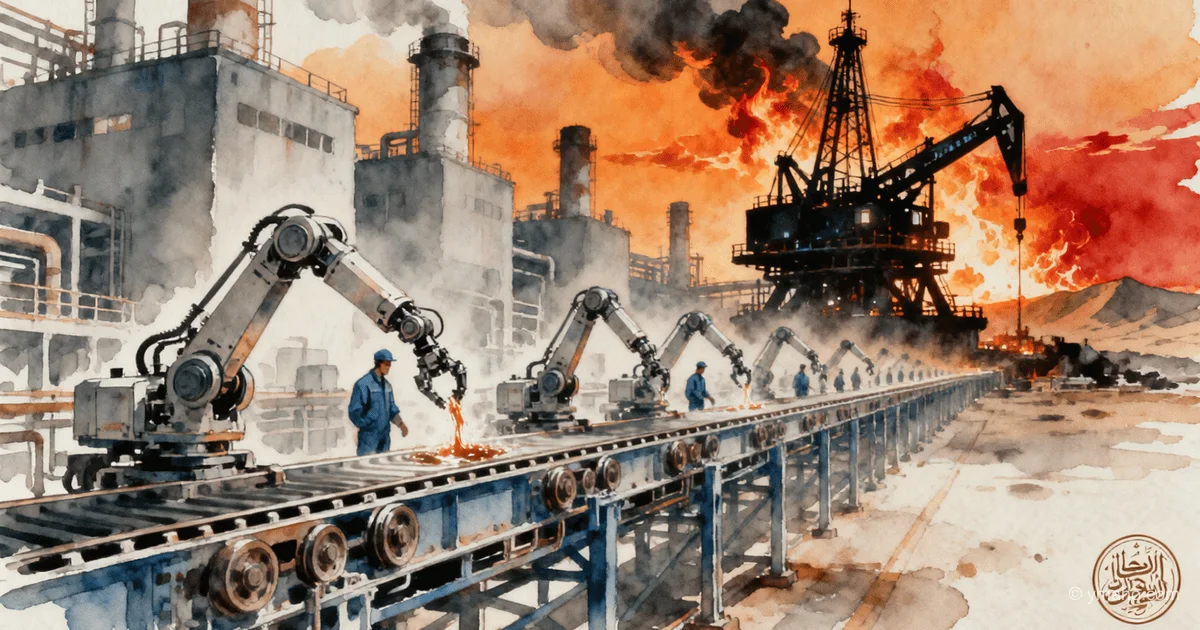
Artificial intelligence is not just a buzzword. In China, it is being deployed in industry, finance, logistics, and services. For example, in factories in Guangdong province — the country's economic hub — many jobs have already been replaced by automated lines. High-tech companies are growing faster, but they create fewer jobs than traditional labor-intensive industries.
Industry accounts for about 30% of China's GDP but only 20% of employment. This means the economy is growing, but people are not getting jobs.
What's Next
China is caught in a trap: to remain competitive, it must adopt AI and automation. But this destroys jobs. The government is trying to stimulate the creation of new vacancies in services and high-tech, but the process is slow.
Experts warn that if nothing changes, unemployment will continue to rise. This will hit the global economy — Chinese consumers will buy less, exports will fall, and supply chains will be disrupted.
Key Takeaways
- The unemployment rate among youth aged 25–29 in China hit an all-time high of 7.7%.
- Main causes: the Iran War disrupting energy supplies and mass AI adoption.
- AI threatens 70 million jobs in China, especially entry-level positions.
- Rising unemployment in China could lead to lower global demand and a slowdown in the world economy.
- The Chinese government has lowered its GDP growth forecast to 4.5–5% — the lowest since 1991.
What This Means for Ordinary People
Rising unemployment in China is not just its internal problem. It means Chinese goods may become more expensive, and global companies may lose some profits. For investors, this is a signal to be cautious: it's worth reassessing investments in companies dependent on the Chinese market. For consumers, it could mean higher prices for electronics, clothing, and other goods.
— Editorial Team









