War in Iran Has Sent Condom Prices Soaring Worldwide
A global conflict can affect even the most ordinary aspects of your life. The war in Iran has disrupted maritime shipping, triggering a sharp spike in condom prices — a product manufactured in one country but used across the globe.
Why a Conflict in One Place Affects Goods Elsewhere
Karex, a Malaysian company that produces over 5 billion condoms annually and supplies major brands like Durex and Trojan, has announced a price increase of 20–30%. This isn’t a local issue — it’s a direct response to global logistics breakdowns. The primary cause? Delays and soaring costs in maritime transport through key regions, including the conflict zone.
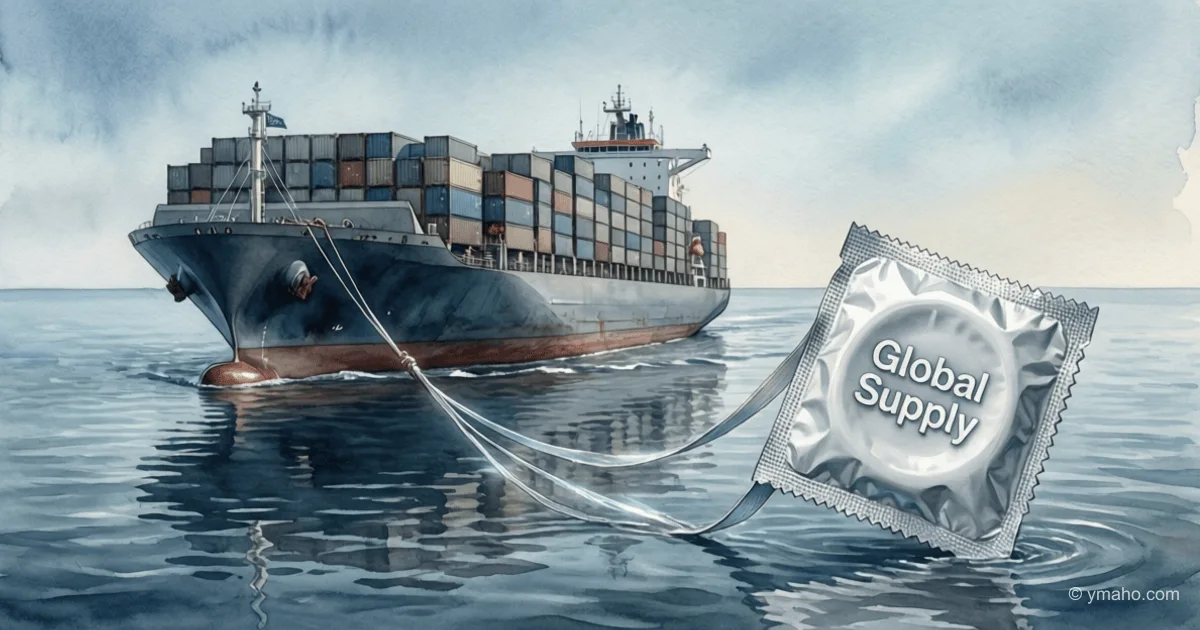
Imagine a massive container ship carrying goods from Malaysia to Europe or the U.S. Due to military activity and regional instability, its route has become longer, riskier, or completely blocked. As a result, delivery times have doubled — from one month to two. Goods already onboard these ships can’t reach customers, creating a shortage.
How Shortages Drive Price Increases
When inventory dwindles while demand remains high — or even grows — companies are forced to raise prices. This is basic economics, similar to the housing market: if supply drops and demand stays strong, rental prices rise. Karex reports that demand for condoms this year has increased by roughly 30%. The combination of surging demand and disrupted supply chains has created perfect conditions for a price surge.
The company’s CEO put it plainly: “We have no choice but to pass these costs on to our customers.” That means final prices in stores and pharmacies worldwide — from New York to Kyiv — will soon rise.
What This Means for Everyday People
- Budget Planning: Essential goods like condoms will become more expensive, impacting household budgets, especially for young people.
- Global Interconnectedness: An event in one part of the world (Iran) directly affects product availability elsewhere (Europe, the U.S.). This illustrates how tightly modern economies are linked.
- It’s Not Just Condoms: This situation is a reminder that any geopolitical conflict can disrupt supply chains for countless everyday items — from electronics to clothing.
What’s Important
- The world’s largest condom manufacturer is raising prices by 20–30%.
- The main cause: delays in maritime shipping due to the war in Iran.
- Delivery times from Malaysia to Europe and the U.S. have doubled.
- Demand for the product is rising, putting upward pressure on prices.
- The situation highlights the fragility of global logistics networks.
The bottom line is simple: when a major global company faces added costs, those costs inevitably get passed on to consumers. This isn’t just a story about condoms — it’s a story about how the modern world works: conflicts in one region can trigger price spikes in another, affecting the daily lives of millions.
— Editorial Team









