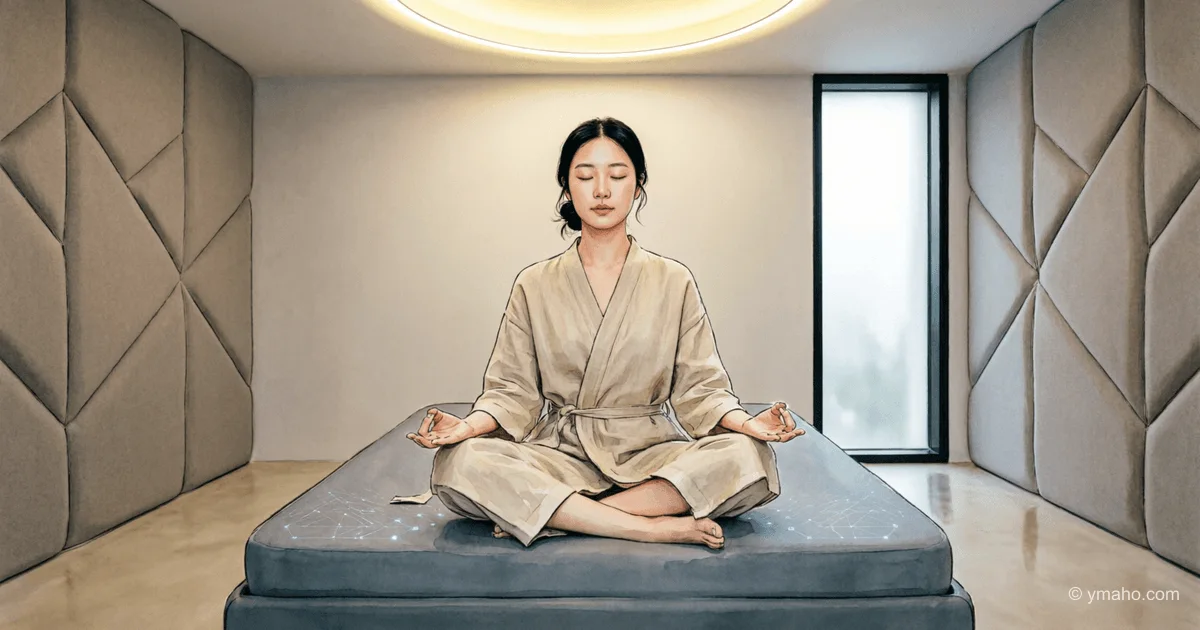
Wellness Becomes the New Lifestyle Investing: Rest and Mindfulness Now in Trend
Experts note that consumers are increasingly viewing rest, mindfulness, and disease prevention as long-term investments in quality of life, rather than occasional luxuries. Demand for wellness practices such as yoga, detox, and retreats has significantly increased.
Analytical article based on the provided news and latest data as of May 25, 2026.
Headline: Wellness Market Analytics 2026: The End of the 'Optimization Era' and the Hidden Bet on Passive Income
If you read the news that consumers have stopped considering spa rituals a luxury and started calling them 'investments in quality of life,' and thought it was just another marketing gimmick—you're wrong, but not entirely. In reality, a tectonic shift in business models is underway.
Insiders call it 'the transition from a market basket to an operating system.' Let's break down the essence.
## The Essence: What's Really Happening
The key deal the market struck in 2026 is this: consumers no longer pay for a procedure. They pay for the predictability of their psychophysiological state.
I see this in sales reports for sleep technology and 'circadian lighting' equipment: sales have grown 300% among B2B clients (hotels and coworking spaces) and 55% among individuals. People are massively purchasing not just creams or gym memberships, but living environments. The news that 64% of Americans prioritize diet and 89% consider fitness preventive care is a sign of maturity. We've stopped being 'wellness girls' and become 'wellness architects.'
## Timeline and Context
The evolution followed a spiral:
- 2020-2023: Boom in digital tracking (watches, rings, apps). People measured everything: steps, HRV, sleep stages. It escalated to clinical perfectionism (orthorexia syndrome for digital metrics).
- 2024-2025: The market was flooded with 'optimization fatigue.' Consumers realized that data (like blood oxygen levels) didn't make them happier. A shift back to analog practices began.
- January-May 2026: The Global Wellness Summit records 'The Human Revenge.' In response to stress from numbers, demand arises for tactile, collective, and statistically meaningless pleasures.
And now, in May 2026, we see the culmination of this cycle: money flows to where you can buy a disconnect from reality, not its improvement.
## Who Wins and Who Loses
(+) Winners: 'Silence Builders' and Realtors
The biggest gains are not from cosmetic brands (though they're doing well too), but from the Wellness Real Estate segment (valued at $548 billion and growing toward $1 trillion). Hotels and residential complexes that integrate nervous system regulation elements into architecture (soundproofing with binaural beats, screen-free lighting scenarios) sell square footage at a 40-60% premium. If you see news about 'appointing a wellness coach in a residential complex'—that's not a service, it's a way to boost asset liquidity. Joe Biden may have signed healthcare bills, but the market has already decided that health is about landscape design, not pills.
(-) Losers: 'Pure Clinics' and Budget Fitness
Chain gyms without spa zones and equipment bases are losing traffic. Pure Gym, for example, has started converting its spaces into 'neuromuscular recovery zones' (EMS + massage), otherwise clients leave. Also losing are brands that built marketing on the fear of aging ('anti-age'). The term is dead. It has been replaced by Skin Longevity—caring for skin as an organ for decades ahead, not fighting wrinkles here and now.
## What the Media Aren't Saying
The most non-obvious thing the media miss (and only venture capital firms from the Valley investing in biohackers know) is: the loneliness crisis is a goldmine.
The news says people want yoga and detox. But the hidden context: the US Surgeon General declared loneliness an epidemic and the main health threat in 2023, and only now has the market figured out how to profit from it. In 2026, so-called 'Wellness Festivals' (festivalization of wellness) are gaining momentum: people pay $500-1000 for the right to cry among strangers at a somatic release session or scream in a 'Sound Bath.'
The media call it group therapy. Business calls it 'monetizing the social fabric deficit.' No longer do you need to convince a client they need a massage. You need to give them a sense of belonging to a tribe. Gamification is out; 'community therapy' is in.
A second hidden factor: technology is going 'invisible.'
Previously, a wellness tracker was on the wrist like a badge. Now, it's built-in sensors in mattresses (Eight Sleep), mirrors, and toilets that analyze biomarkers without human intervention. The trend toward 'Touchless Wellness' and Ambient Wellness means AI controls the hotel room climate, adapting to your fatigue, but you don't know it. You just feel good—and pay for this interface-free service.
## Forecast
Next 30 Days (June 2026):
The market will start 'heating up' for the summer season. Expect a local boom in nano-plastic water filters and anti-microplastic cosmetics. GWS has identified microplastics as a direct threat to human health in 2026, and now early adopters (startups from the US and EU) will launch aggressive marketing on this fear. The slogan 'Buy a filter—protect your thyroid hormones' will replace gluten memes. Also, in the next 30 days on the NASDAQ, keep an eye on Peloton (PTON) and United Natural Foods (UNFI) stocks—reports show capital flowing from software to hardware and organics.
Next 90 Days (End of Summer 2026):
- Collapse of the GLP-1 market (Ozempic and analogs) in the premium segment. People will lose weight and face sarcopenia (muscle loss). This will trigger a boom in non-surgical body contouring procedures (cryo, EMS, HIFEM). Thermal spas and aesthetic medicine clinics will rebrand procedures as 'post-metabolic peels' and raise prices by 35%.
- Rise in popularity of 'Dumbphones' and digital detox retreats (Solarpunk Settlers). The trend will move from hipster to doctor-recommended. Psychiatrists will start prescribing social media detox as medicine. The first insurance policies covering wellness retreat costs will appear. This will catapult the segment to $43 billion, as predicted for India, but globally the figure will be many times higher.
Conclusion: Don't invest in memberships and creams. Invest in ecosystems of calm. The beauty and health market has finally turned into a market for managing attention and stress. Whoever provides the client with 'zero thoughts' in their head for an hour will hit the jackpot. Metric data is no longer needed. Feelings are.
— Editorial Team









