Strait of Hormuz Blockade: Why Tankers Have Stopped and Oil Prices Are Rising
When the planet’s main "oil artery" suddenly narrows, fuel and goods prices start to jitter alongside us. The seizure of an Iranian cargo vessel by U.S. military forces near the entrance to the Strait of Hormuz has once again paralyzed commercial shipping, and global markets have immediately responded with price hikes.
Why the Main Maritime Route Has Halted
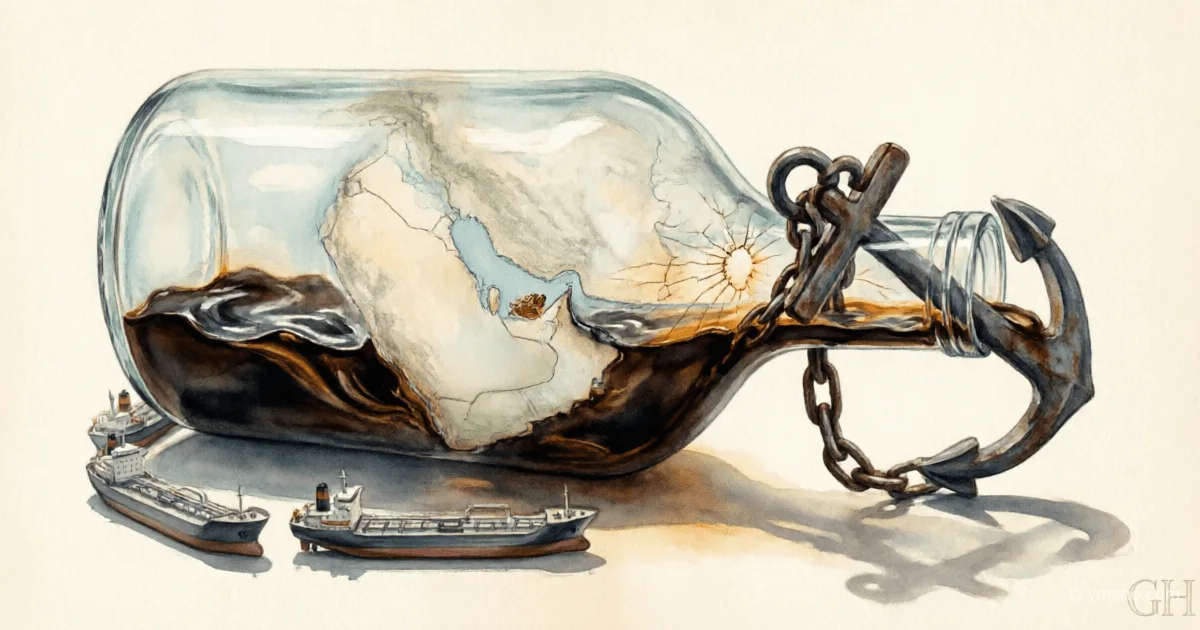
Imagine the Strait of Hormuz as the narrow neck of a giant bottle, through which about one-fifth of the world’s oil flows every day. When this passage is blocked, market pressure rises instantly. For seven weeks, tensions in the Persian Gulf have been escalating due to mutual strikes and naval blockades. On Friday, it seemed the crisis was easing: both sides announced a temporary reopening of the route, oil prices began to fall, and captains rushed to get their vessels out to sea. But calm didn’t last long.
By Sunday, U.S. Navy forces had detained an Iranian cargo ship near the port of Jask. This is the first incident of its kind during the current blockade. In response, Iran intensified patrols, and speedboats from the Islamic Revolutionary Guard Corps opened warning fire on one of the tankers. The high-risk zone for commercial shipping expanded sharply, and many shipowners chose to wait out the storm at anchorage.
How Prices and Global Logistics Are Reacting
Energy markets cannot tolerate uncertainty. As soon as it became clear the passage was closed again, benchmark crude oils started gaining value. A supply crisis that many hoped to resolve quickly now looks protracted. The situation is further complicated by the presence of vessels already under international restrictions operating in the region. For example, the tanker Nova Crest—previously spotted transporting Russian oil and placed under sanctions by the UK, EU, and Switzerland—is currently maneuvering near the strait’s exit, heading toward the UAE.
Diplomatic efforts to reduce tensions continue. U.S. representatives have traveled to Pakistan for negotiations, while Washington accused Tehran of violating the ceasefire after attacks on British and French vessels. Nevertheless, the vessel seizure and Iran’s retaliatory actions remain confirmed events directly impacting logistics.
What Is Certain—and What Remains Unclear
It’s crucial to clearly separate verified facts from speculation. Confirmed facts include the detention of the Iranian vessel by the U.S. Navy, the resumption of Iran’s blockade of the strait, rising oil prices, and the presence of sanctioned tankers in the conflict zone. Speculative elements include the timeline for restoring safe passage, the actual volume of oil not reaching global markets, and the likelihood of a swift diplomatic resolution via intermediaries.
- The U.S. has, for the first time during this crisis, detained an Iranian vessel off the coast of Oman.
- Iran responded by tightening control and firing on a commercial tanker.
- Oil prices reversed course upward after a brief decline.
- Diplomatic consultations are underway in Pakistan, but the ceasefire remains fragile.
Key Takeaways
- The Strait of Hormuz remains a critical node in global energy infrastructure: any incident immediately affects prices.
- The vessel seizure has expanded the "risk zone," forcing logistics companies to reroute or delay shipments.
- Sanctioned vessels continue operating in the region, adding a political layer to the economic crisis.
- Diplomacy is trying to catch up with events, but military incidents are still outpacing negotiations.
What This Means for Ordinary People
When oil prices rise due to supply disruptions, it gradually translates into higher costs for gasoline, heating, and product deliveries to stores. In the coming weeks, consumers should expect more noticeable pump prices and potential increases in imported goods. Staying informed is helpful—but panic is premature: markets usually find alternative routes as soon as tensions ease.
— Editorial Team









