Hollywood and K-pop Dictate the Return of Blue Eyeshadow for Spring-Summer 2026
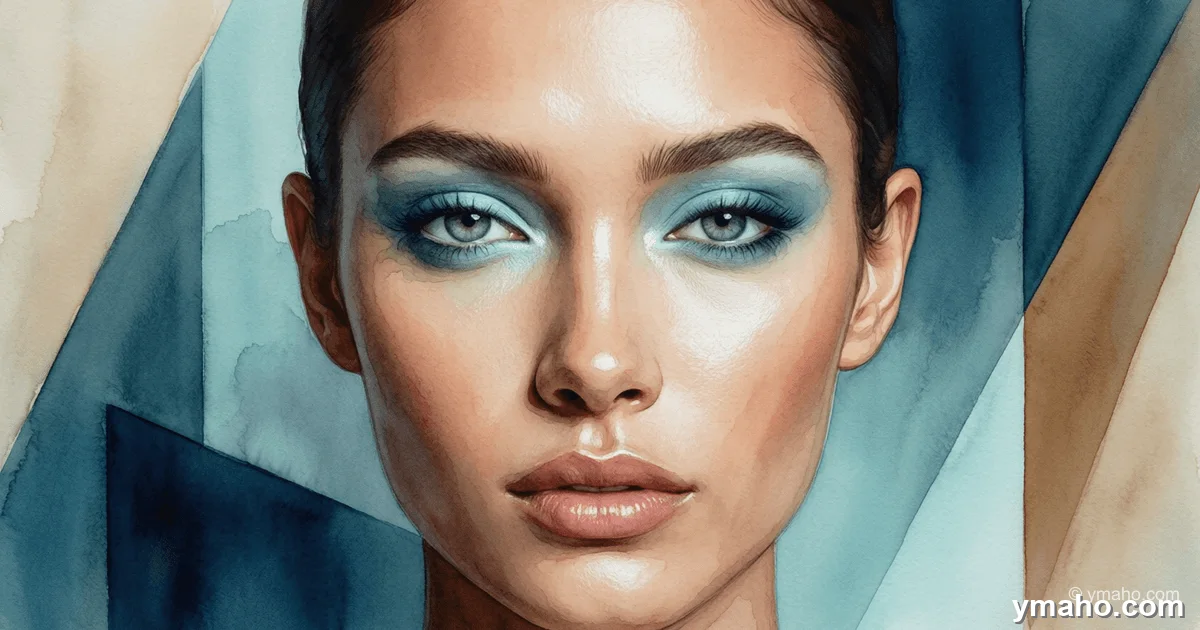
Colorful smoky eyes and watercolor blue shades became the main beauty look after NYFW shows and the Met Gala. Makeup artists note a shift from neutral tones to a "skin-like" trend for bright colors that refresh the eyes.
Headline: Ice Shock 2026: Why Blue Eyeshadow Is Returning Not from the 80s, but from the Future, and Who Will Profit
Introduction: The Coldest Spring in Beauty History
While some argue about the benefits of meat and others rush to sound baths, a quiet but powerful revolution has taken place in decorative cosmetics. Blue eyeshadow is back. And this is not a nostalgic trip to the era of Madonna and blue eyeliner. This is a new beauty manifesto signed by Zendaya, Lisa from Blackpink, and the entire K-pop industry.
The news that colorful smoky eyes and watercolor blue shades have become the main trend of the spring-summer 2026 season seems at first glance like another turn of the fashion cycle. But inside the industry, we see something different: this is not just a return of color, but the death of the "clean girl aesthetic" that has dominated the last five years. Maximalism has finally killed minimalism.
[The Core]: What Is Really Happening
The core is a paradigm shift from "being invisible" to "being noticed." The blue eyeshadow trend is not about a specific shade. It's about permission for color, texture, and individuality after long years of nude tones and "no-makeup makeup."
But why blue specifically? Pinterest Insights data for January 2026 showed explosive growth in searches for "frosted blue makeup." This is no coincidence. Blue is the most complex color in perception psychology. Makeup artists explain: "It's one of the few colors that looks both nostalgic and futuristic." It instantly brightens the whites of the eyes, makes the gaze sharper, and turns even minimal makeup into something editorial.
Insight that is missed: This is not actually a return to the 80s. In the 80s, blue eyeshadows were matte or harshly pearlescent, applied in thick layers. Now the trend is "watercolor haze," "soft denim tones," and "blended frost." This is a technique born from the era of TikTok and 4K cameras: color must be present, but it must be "expensive" and "breathable," not painted on.
Timeline and Context
As a true trend (not hype), blue has been building for several months:
- September 2025 – January 2026: New York Fashion Week shows (spring-summer 2026). Brands from Private Policy to Schiaparelli send models down the runway with icy and denim shades on the lids.
- February – April 2026: Pinterest officially names "Cool Blue" the main color trend of the year. According to their report, it is "a shade that refuses to conform and appears everywhere—from fashion to beauty."
- May 4, 2026 (Met Gala): The point of no return. Lena Mahfouf appears in frosty blue eyeshadow blended up to the brows. Lisa from Blackpink does a deep blue smoky eye with diamond sparkles, creating a "shimmering mermaid" look.
- May 18-29, 2026: A wave of publications in ELLE, Yahoo, and industry analysts. The trend is officially legitimized for the mass market.
Who Wins and Who Loses
Winners:
- Premium and niche brands that already have "blue" in their palette: Pat McGrath (her baby blue lids at the Schiaparelli show became the bible), Clé de Peau Beauté, Victoria Beckham Beauty, and Dior—all have seen unprecedented interest in their blue products. Fara Homidi is also on the beneficiary list.
- Asian beauty giants, especially Japanese: K-Beauty and J-Beauty have cultivated "clean," radiant makeup for decades. Japanese brand Sensai (a Kanebo brand) with its palette 02 Night Sparkle perfectly fits the "night sparkle" trend. Japanese "watercolor" eyeshadow formulas will now fly off shelves in the US and Europe.
- Manufacturers of "smart" makeup removers: Color pigments, especially blue and light blue, are harder to remove than nude ones. Brands of micellar water and cleansing oils (Bioderma, Shu Uemura) will see increased sales of deep-cleansing products.
Losers:
- Brands that bet exclusively on "quiet luxury" and neutral tones: Labels that removed all color pigments from their lines for the sake of "eternal minimalism" are now frantically revising R&D plans. Producing quality blue pigment that doesn't flake or look cheap takes time. Their season is lost.
- "Clean" beauty brands without preservatives: Blue and purple pigments are among the most unstable. In organic formulas without silicones and stabilizers, they quickly fade or shift to a dirty gray. Clean beauty risks a wave of negative reviews if it tries to ride this trend with a poor formula.
- Ultra-budget mass market (Dream, WnW): Yes, they will sell a lot of shimmers, but their problem is that "cheap blue" is associated with the 80s in a bad way (black eye). To make blue look "expensive and editorial," you need ultra-fine pigment micronization, which is costly.
What the Media Aren't Saying
The media write about stars and runways. But they stay silent about the technical revolution in textures.
Non-obvious insight: The real driver of this trend is not Zendaya, but advances in color pigment engineering. Previously, to make a long-lasting blue, you had to use ingredients that dried the eyelid or gave a "heavy" texture. Now, thanks to advances in chemistry, the lightest shimmers and micronized pigments have emerged, creating a "second skin" effect even when bright blue.
What this means for business: The 2026 consumer is someone who hates the feeling of a "mask" on the face. They want color but fear heaviness. That's why "watercolor" techniques and "frosted" looks went viral. The brands that succeed are those that made blue lighter than air. Like a perfume you don't feel on your skin.
Second insight—demographic: The trend is supported by two camps. Millennials (30-45) through nostalgia and a desire to "finally allow themselves something bright" after years of nude restrictions. Gen Z (15-25) through the "bloomer" aesthetic and hyper-individuality. For Gen Z, a blue eyeshadow is as much an accessory as a tattoo or piercing.
Forecast: Next 30 Days and 90 Days
30 Days (June 2026):
- Wave of returns: Brands that discontinued blue palettes 2-3 years ago (like Tom Ford with its line that went into reissue but didn't keep all shades) will urgently relaunch "limited edition archive colors." Buyers will start hunting for vintage palettes on secondary markets.
- Trend for blue mascara and eyeliner: Since eyeshadow has peaked, the evolution will move toward "blue mascara" and "colored liners." NYX Professional already has a blue pencil Sapphire Bling (3,000+ monthly sales on Amazon)—their sales will double.
90 Days (August 2026):
- Mass market reaction: After the premium segment plays out the trend, in August hundreds of cheap knockoffs will hit Walmart and CVS shelves. Chinese manufacturers (like UCANBE, which already has colored palettes with 5,000+ monthly sales) will flood the market, leading to dilution of the trend and memes of "too blue makeup."
- Emergence of a "counter-trend": As soon as everyone turns blue, makeup artists will announce the return of... green or purple. The cycle will close. The hunt for a "new blue" that is warmer (ultramarine or electric) will begin.
Conclusion: Blue on the eyelids is a marker of the end of the era of "poor" minimalism and the beginning of the era of "rich" self-expression. If you haven't launched a line of watercolor denim eyeshadows yet, your business in decorative cosmetics in 2026 will simply go unnoticed. The consumer is tired of being invisible. They want their eyes to shine—literally, with an icy gleam from the future.
— Editorial Team