Sedentary Work Recognized as Risk Factor for Gynecological Diseases
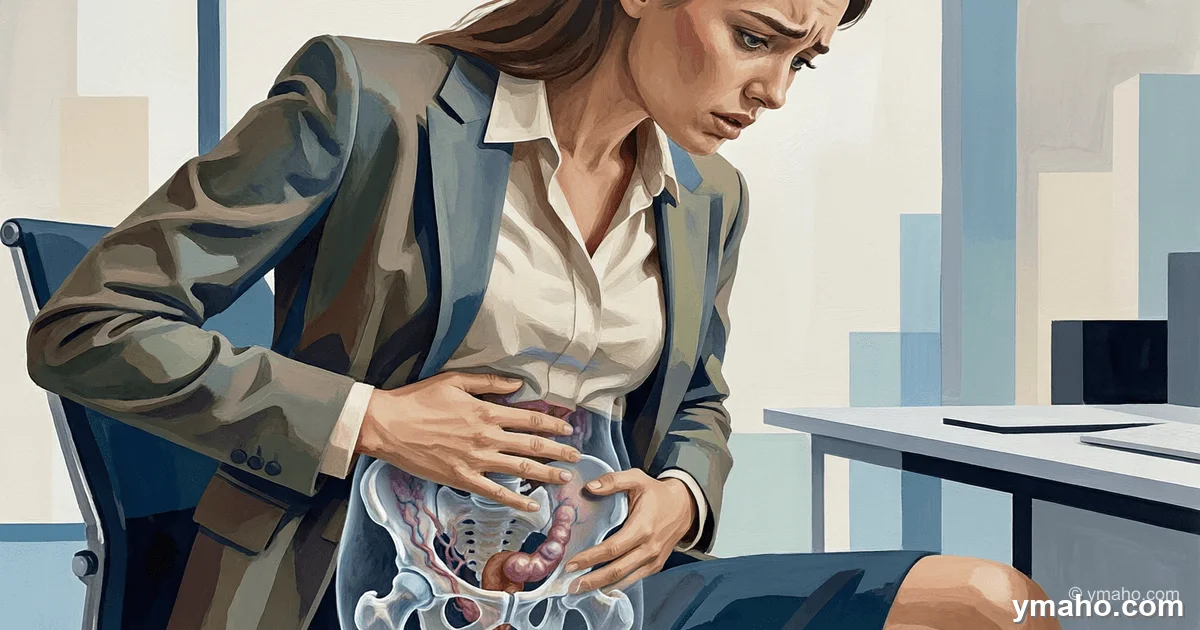
Gynecologist Tatyana Sonina warned that prolonged sitting slows blood flow in the pelvis, causing blood stagnation. This increases the risk of inflammation, varicose veins, fibroids, and worsens painful menstruation.
The Office Curse: Why Sonina's Warning Is a Signal to Overhaul an Entire Industry
While some experts debate the benefits of LED masks and Korean smart beds, a quiet but devastating crisis is brewing in medical offices. On May 26, 2026, endocrinologist-gynecologist Tatyana Sonina issued what seemed like a routine warning: sedentary work is destroying women's health. Blood stagnation, fibroids, endometriosis, pelvic varicose veins, hormonal imbalances. But if you think this is just another scare tactic for office workers, you are deeply mistaken.
As someone who has spent the last five years analyzing the intersection of ergonomics and physiology, let me be blunt: we are on the verge of a massive shift in FemTech and corporate culture. Sonina merely voiced what is already encoded in dry figures from reports and patents for medical devices. Let's break down what is really happening.
[The Core]: What Is Really Happening
This is not just about the benefits of a quick exercise break. It is about a fundamental contradiction in the modern economy. We design workplaces for productivity while ignoring female anatomy. Sonina clearly outlined the mechanism: prolonged sitting → compression of veins and lymph flow → pelvic floor muscle inactivity → chronic stagnation.
This is not a metaphor. Blood stagnation in the pelvis is a condition where the venous system works like a clogged sewer. Toxins and metabolic waste are not eliminated, local temperature rises, creating an incubator for inflammation. And here is the key nuance that the media misses: the issue of hyperestrogenism. Adipose tissue that accumulates due to physical inactivity is an active endocrine organ. It synthesizes estrogens. Excess estrogen combined with stagnation is a direct path to fibroids and endometriosis. It becomes a vicious cycle: work forces us to sit, sitting makes us gain weight, fat triggers hormonal imbalance that doctors treat, but we keep sitting.
Timeline and Context
Notice the dates. From May 25 to 27, 2026, the information space literally exploded with overlapping messages from Sonina and obstetrician-gynecologist Boris Lordkipanidze. Why now? Because we are entering the diagnosis season. In summer, when offices empty and people go on vacation, doctors see a peak of advanced cases accumulated over the winter.
But there is a deeper context. We are at a crossroads of eras. According to a hybrid work study (International Journal of Medicine and Psychology, No. 7, 2025), 42% of remote employees report chronic stress, while ergonomic risks have increased by 68%. We moved from offices to home, but at home we have kitchen stools and sofas that are even worse than office chairs. The FemTech market, valued at $73.4 billion in 2026, has already caught the scent.
Who Wins and Who Loses
Loser #1 — Women aged 25-40. This is the core of office workers. Within 3-5 years of their careers, they develop office pelvis syndrome. Lordkipanidze harshly addressed the topic of girls turning into aunties — it is not about weight, but about losing the muscle corset that supports organs. Diagnoses like unexplained infertility and chronic vulvodynia in this group are already being linked to stagnation.
Winner #1 — The corporate smart chair segment. Regular orthopedic chairs do not solve the stagnation problem. Dynamic seating is needed. Analysts at Global Market Insights predict a boom in ergonomics for women's health. Startups are emerging that embed cryotherapy and vibration massage into seats to stimulate blood flow — not for relaxation, but for forced prevention of pelvic varicose veins.
Winner #2 — Supplement and nutraceutical manufacturers. When a woman realizes that stagnation causes inflammation, she does not go buy a treadmill (too lazy). She goes to buy anti-inflammatory complexes with turmeric and omega-3s. Insiders know: sales of supplements that improve venous tone (diosmin, hesperidin) grew by 21% in April 2026 alone.
What the Media Isn't Saying
Here is where it gets interesting. Sonina recommends taking breaks every 45-60 minutes. This is a killer suggestion for modern employers. Because a 5-minute break every hour reduces your productivity by 15-20% according to the Pomodoro technique, which no one has canceled.
The media is silent about the conflict of interest. No large corporation wants you to get up from your desk every hour. They need your 8 hours of continuous mouse clicking. That is why the stagnation problem has been hushed up for decades, and now suddenly goes viral. This is not about health care. It is a marketing ploy by the active work device industry — office treadmills, balance board podiums.
And here is my main insight: Sedentary work is a new socially acceptable form of disabling women.
We spend $200 on anti-aging face cream but ignore pelvic vein health. In 10 years, a practicing gynecologist will say at a conference: The pandemic of the 2020s spawned an epidemic of stagnation in the 2030s. And that will be true. We just do not see the connection now because stagnation does not kill quickly; it just makes a woman's life chronically painful and robs her of the ability to bear children.
Forecast: Next 30 Days and 90 Days
30 days (end of June 2026)
Expect a wave of glossy magazine articles about pelvic detox. Celebrity doctors will promote leech therapy on the pubis (blood cleansing from stagnation) and vacuum roller massages for the abdomen. It will be trendy and expensive (sessions from $150). Smartwatch manufacturers (Apple, Garmin) will release a software update with a reminder function to stretch the pelvic floor — masking the lack of a real medical solution.
90 days (end of August 2026)
The market will be flooded with smart pads and vaginal pressure trackers. Sounds crazy? Check Kickstarter. Startups are already using Sonina's rhetoric to promote devices that measure oxygen levels in pelvic tissues while sitting. Corporate lawsuits will begin. The first woman who proves that pelvic varicose veins and fibroids resulted from a non-ergonomic workplace will win a lawsuit against a major IT corporation. This will set a precedent, after which HR departments will mass-purchase moving chairs.
And remember: the problem is not that we sit. The problem is that the system earns trillions by keeping us sitting while our bodies decay from within. Sonina's warning is not advice; it is a manifesto for the health industry. Use it before Big Pharma sells you another drug for the consequences.
— Editorial Team