What Happened to BTC-e Clients' Funds: Alexander Vinnik's Confession
The former co-founder of the crypto exchange BTC-e, Alexander Vinnik, has for the first time provided a detailed account of where user funds went after the platform was shut down in 2017. For thousands of people around the globe, this is not just a story about an old exchange—it’s a question of whether they will ever get their savings back.
Two Sides of the Same Coin
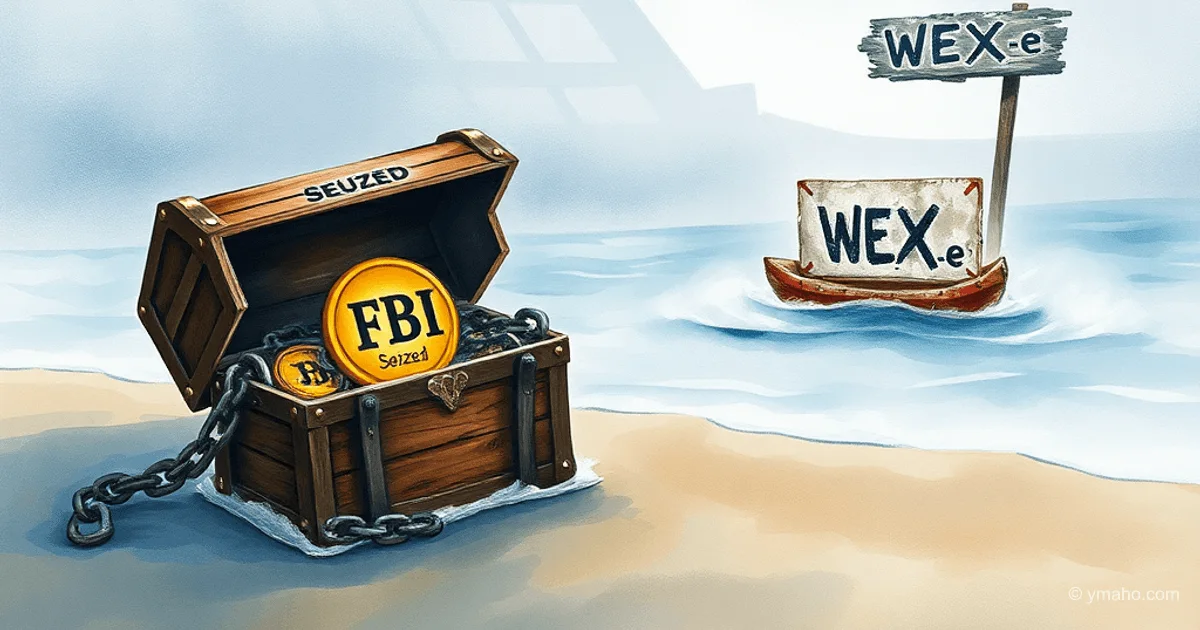
According to Vinnik, BTC-e’s assets were effectively split into two parts following his arrest in July 2017:
- Part One consisted of servers, bank accounts, and payment details, which were immediately seized by U.S. authorities, primarily the FBI.
- Part Two comprised cryptocurrency held in cold wallets, remaining outside the scope of the FBI’s takeover.
It’s important to note that Vinnik claims he never possessed the private keys or seed phrases for these wallets. His role, as he explains, was limited to handling fiat (traditional) money and electronic payment systems—never directly managing cryptocurrencies.
The Emergence of WEX and “Succession”
In the fall of 2017, a new exchange suddenly appeared on the market—WEX. It positioned itself as the successor to BTC-e and promised to return all funds to affected users. Many fell for it and even transferred their remaining balances there.
However, Vinnik stated that he only learned about WEX through his lawyer and had no involvement with it whatsoever. This raises serious questions: Who then controlled the second portion of BTC-e’s assets? And why did WEX disappear shortly after launch, failing to repay most clients their money?
How to Recover Your Funds Today?
Vinnik offered specific advice to those who lost money on BTC-e: join the class-action lawsuit currently being heard in the U.S. District Court for the District of Columbia. Filed in the summer of 2025, this suit unites thousands of victims.
If you were a BTC-e customer, here’s what you should do:
- Gather documentation proving your deposits (screenshots, email correspondence, transaction records).
- Contact the attorneys involved in the class-action lawsuit.
- Submit your claim before the plaintiffs’ registration deadline closes.
This remains the only realistic chance of receiving compensation. Neither WEX nor any other “successor” platforms have demonstrated transparent refund mechanisms.
Why This Matters to Everyone
The BTC-e saga is far from a relic of the past. It highlights just how vulnerable security can be on crypto exchanges, especially when operating without regulation. Imagine depositing money in a bank, only to discover later that the institution was actually someone’s garage—and its owner has vanished. That’s exactly how BTC-e users felt.
Moreover, Vinnik’s case raises complex jurisdictional issues: Can an individual be held accountable for actions carried out by a platform they technically didn’t manage? Particularly when the platform served customers worldwide, not just within the United States.
Key Takeaways
- BTC-e client funds were divided into two parts: one seized by the FBI and the other kept in cold wallets.
- Alexander Vinnik insists he did not control the cryptocurrency keys and has no connection to the WEX exchange.
- The sole current avenue for recovering funds is participating in the class-action lawsuit in the U.S.
- The BTC-e story continues to serve as a critical lesson about the risks of unregulated crypto exchanges.
- The case touches on broader global questions of jurisdiction and accountability within the decentralized industry.
— Editorial Team









