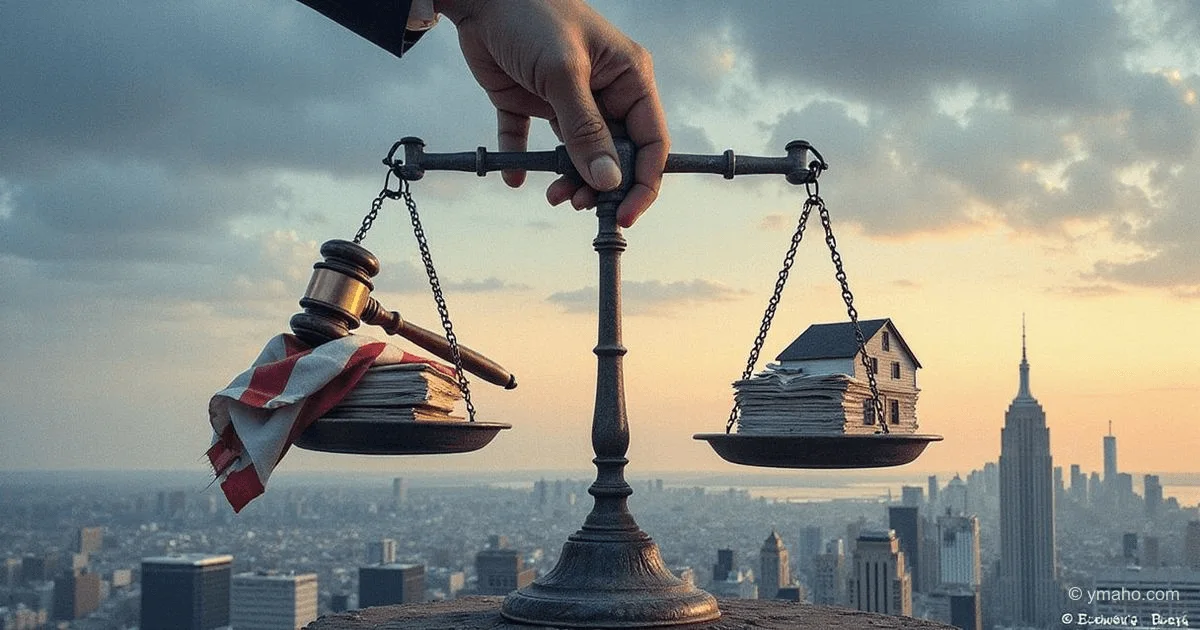
Trump’s Threat to Fire Fed Chair Raises Questions About Central Bank Independence
Former President Donald Trump says he’ll fire Federal Reserve Chair Jerome Powell if Powell doesn’t step down by May 15. This isn’t just political drama—it could shake the foundation of how the U.S. controls interest rates, inflation, and even your mortgage or credit card payments.
The Federal Reserve (or “the Fed”) is meant to operate independently from politics so it can make decisions based on the economy—not election cycles. Think of it like a referee in a soccer game: their job is to enforce the rules fairly, not to help one team win.
What’s Actually Happening?
Trump claims Powell should leave when his term as a Fed board governor ends on May 15. But here’s the catch: Powell’s role as Fed Chair is separate from his seat on the board. Even if his board term ends, he can legally stay as Chair until his full term expires in 2026—unless removed for cause, like misconduct.
Trump told Fox Business he’s been “holding back” from firing Powell but might do it anyway. Legal experts say that would likely violate federal law. In fact, courts have already questioned Trump’s attempt to remove another Fed official, Lisa Cook, suggesting such moves don’t hold up legally.
Why Does Fed Independence Matter?
The Fed sets interest rates—the cost of borrowing money. When rates go up, loans, mortgages, and business investments get more expensive. When they go down, it’s easier to spend and grow—but risks inflation (when prices rise too fast).
If politicians could fire Fed leaders whenever they disagreed with rate decisions, the central bank might start making choices to please whoever’s in power instead of what the economy actually needs. That could lead to wild swings in prices or even economic instability over time.
Historically, countries with politically controlled central banks tend to have higher inflation and less investor trust.
The Bigger Picture: A New Fed Chair in the Works?
Trump has nominated Kevin Warsh—a former Fed official known for favoring lower regulation and tighter monetary policy—as Powell’s replacement. But Warsh’s confirmation is stuck. Senator Thom Tillis says he won’t support Warsh until a federal investigation into a Fed building renovation wraps up.
That probe? It looked into cost overruns in a construction project. But in March, prosecutors admitted they found no evidence of wrongdoing. Still, the delay keeps Powell in place—for now.
If Warsh were confirmed, he’d join a Fed board where Trump has already appointed three of seven members. That could shift the Fed’s direction, especially if more Trump-aligned voices join later.
What Does This Mean for Regular People?
- Your loan payments could be affected if political pressure leads to sudden rate changes.
- Long-term economic stability relies on the Fed making calm, data-driven choices—not reacting to political threats.
- If trust in the Fed erodes, it could make markets jittery, affecting everything from retirement accounts to grocery prices.
Key Takeaways
- Trump threatened to fire Fed Chair Jerome Powell by May 15, but legal experts say he likely can’t do it without cause.
- The Fed’s independence helps keep inflation stable and interest rates predictable for everyday Americans.
- A federal investigation into Powell found no wrongdoing, yet it’s being used to delay his potential replacement.
- If political control over the Fed grows, it could lead to more volatile economic conditions.
- The outcome hinges on Senate confirmation—and whether courts uphold the law protecting Fed officials.
— Editorial Team









