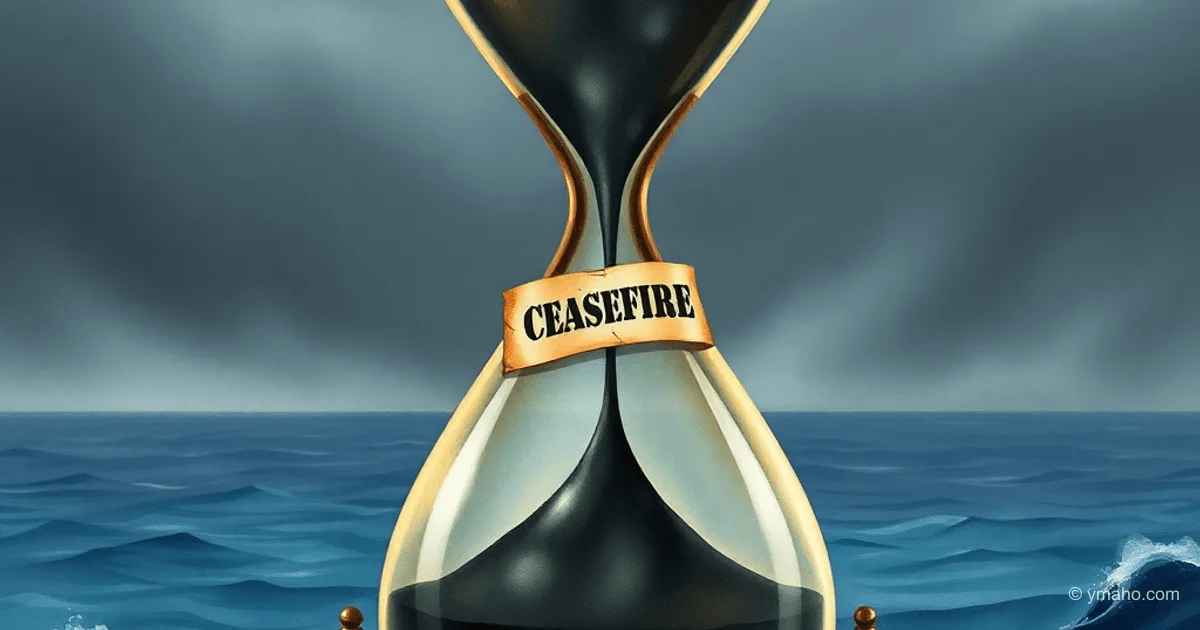
A Short Break in Conflict Sends Oil Prices Tumbling
News of a temporary ceasefire between the U.S. and Iran sent oil prices plunging, a shift that could ease pressure on prices for everything from plane tickets to groceries. For anyone filling up their car or paying household bills, this sudden change matters because the cost of oil is woven into almost every part of our daily lives.
When tensions were high, the market was pricing in a worst-case scenario: a major blockage of the Strait of Hormuz. Think of this strait like a crucial highway for oil tankers—if it's closed, global oil traffic gets backed up for miles. About one-quarter of all the oil shipped by sea passes through this narrow channel. The fear of this closure had added a 'risk premium' to oil prices, like an extra fee on your bill for potential disaster.
Why Prices Dropped So Suddenly
The announcement of a two-week ceasefire didn't magically fix oil supplies. The real change was in expectations. The market quickly shifted from thinking 'disaster is imminent' to thinking 'disaster is, at least, postponed.' This rapid adjustment, amplified by computerized trading and leveraged funds, caused the sharp drop. It wasn't that more oil suddenly appeared; it was that the fear of shortage rapidly evaporated.
Key factors behind the plunge:
- Expectations Change Faster Than Reality: Financial markets react to news instantly, while physically restarting oil fields and moving tankers takes weeks.
- The 'Fear Fee' Was Removed: A significant portion of the previous high price was not for the oil itself, but for the risk of war disrupting it. That premium was stripped away.
- Trading Mechanics Accelerated the Fall: Many traders who had bet on prices going higher had to quickly exit those positions when the news broke, pushing prices down further.
The Road to Normal Is Still Long
A ceasefire on paper is not the same as a return to normal operations on the water. Several hurdles remain before oil flows freely again:
- Shipping Confidence: Ship owners and insurers need clear guarantees that the route is safe before they send expensive tankers through.
- Restarting Production: Oil fields that were shut down take time to restart. Facilities can't just be switched back on like a light.
- Damaged Infrastructure: Ports, pipelines, and storage tanks that were damaged need repairs, which can take months.
- The Clock is Ticking: The ceasefire is only for two weeks. The market is still watching to see if it holds or leads to longer-term talks.
What Does This Mean for Regular People?
For most people, the immediate effect is on expectations rather than their wallet today. Lower oil prices ease fears of runaway inflation—that scary scenario where prices for everything keep spiraling upward. This can help calm financial markets and might support a better environment for stocks and other investments. However, the actual price you pay at the gas pump will lag behind this news; it takes time for cheaper crude oil to translate into cheaper gasoline.
— Editorial Team









