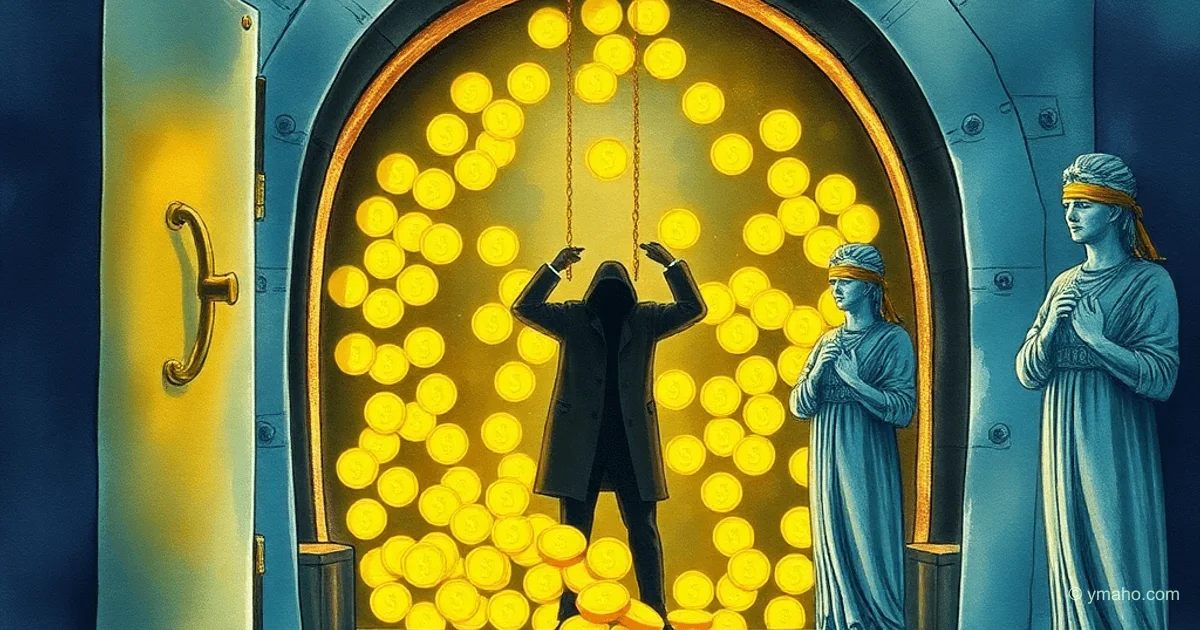
A Stablecoin Giant Gets Sued After a Major Crypto Hack
Circle, the company behind the popular USDC digital dollar, is facing a lawsuit after hackers stole $285 million from a crypto platform called Drift Protocol. This isn't just a corporate dispute; it raises a fundamental question for anyone using digital money: who is responsible for protecting your funds when things go wrong?
The Heart of the Lawsuit
The lawsuit, filed by investors who lost money in the hack, centers on a crucial eight-hour period. During that time, the attackers moved a massive $232 million worth of stolen USDC from one blockchain network to another. They used Circle's own transfer system, called the Cross-Chain Transfer Protocol, to do this. A blockchain is like a public digital ledger that records transactions. Circle's system is a bridge that lets its digital dollars move between different ledgers.
The investors argue Circle should have frozen that money during the transfer. Freezing, in this context, means the company could have stopped the digital tokens from moving, locking them in place. Circle says it only freezes assets when a court or law enforcement agency directly orders it to do so. The company's CEO explained that making unilateral decisions to freeze money creates a "significant moral quandary"—it's like a bank deciding on its own to lock someone's account without a legal reason.
How the Hack Happened
The attackers didn't break a lock; they used a key that was already available. They exploited a legitimate feature on the Solana blockchain called "durable nonces." Think of a nonce as a unique, one-time password for a transaction. The hackers prepared these authorized transaction passwords weeks ahead of the actual attack, then used them on April 1 to drain funds from Drift Protocol. Drift later linked the attack to hackers affiliated with North Korea, who had infiltrated the company over six months by pretending to be a legitimate trading firm.
This incident sparked intense criticism within the crypto community. A well-known blockchain investigator, ZachXBT, publicly questioned why businesses should trust Circle if it couldn't support a major project during a crisis. Meanwhile, Tether, the company behind the rival USDT stablecoin, stepped in to help Drift recover some funds, positioning itself as a more responsive player.
The Bigger Picture: Who Guards the Digital Dollars?
This lawsuit touches on a growing tension in the world of digital finance. Stablecoins like USDC are designed to be a steady, reliable digital version of the dollar. But when huge amounts are stolen, who has the duty—or the right—to intervene?
- The Legal Argument: Circle, as a regulated company, says it must follow the law. It cannot act like a vigilante, freezing assets based on its own judgment.
- The Community Expectation: Many in the crypto world expect these large, central companies to use their power to protect users and the ecosystem from clear theft.
Data from firms like TRM Labs shows the scale of the problem: around $141 billion in stablecoin transactions last year were linked to illicit activities like money laundering. Since 2022, investigators have tracked about $420 million in suspicious USDC flows that were not blocked.
What Does This Mean for Regular People?
If you use or are curious about digital dollars like USDC, this case highlights that their safety isn't just about technology. It also depends on the policies and legal boundaries of the companies that issue them. This lawsuit could shape future rules about when and how these companies can act during a crisis, potentially changing how safe your digital money feels. For now, it serves as a reminder that in the fast-moving crypto world, the lines between protector, service provider, and regulated entity are still being drawn.
Key Takeaways:
- A $285 million hack on a crypto platform has led to a class-action lawsuit against stablecoin issuer Circle.
- The suit focuses on whether Circle should have frozen stolen funds during an eight-hour transfer window.
- Circle defends its position, stating it only acts on direct legal orders, not its own judgment.
- The case underscores the ongoing debate about responsibility and power in the digital currency ecosystem.
— Editorial Team









