The Trend for 'Joyful' Food: A Dopamine-Rich Antidepressant Diet
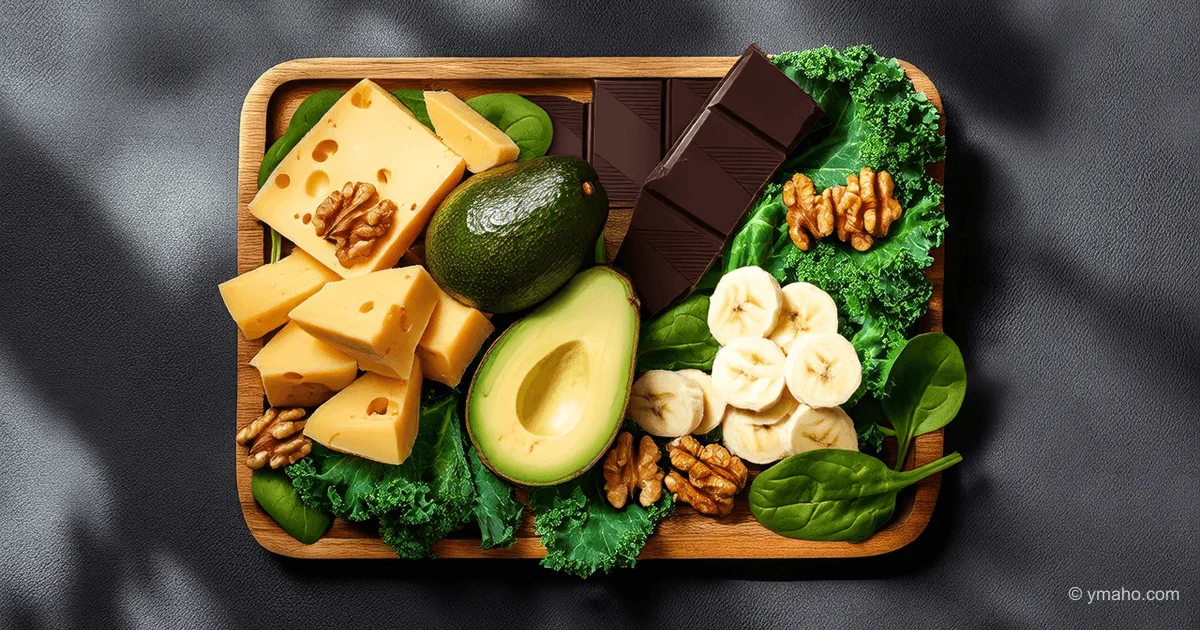
In contrast to restrictive diets, nutritionists are now composing menus of antidepressant foods (dark chocolate, avocado, fermented cheeses) to stimulate pleasure neurotransmitters.
Five years ago, the dominant word in dietetics was "eliminate." Eliminate gluten, sugar, dairy, carbohydrates, fructose, lectins, oxalates. Every month a new enemy appeared, and the wellness industry built a multi-billion dollar market on it. But by May 2026, the pendulum has swung so hard in the opposite direction that previous models are bursting at the seams. The new paradigm is called the "dopamine diet" or, in its more media-friendly version, "joyful food." And this is not just another nutrition trend. It is the industry's response to the epidemic of anhedonia—the inability to experience pleasure—that neither antidepressants nor mindfulness could solve.
The Essence: What's Really Happening
On the surface, it looks like a harmless list of "happiness foods": dark chocolate, avocado, fermented cheeses, bananas, nuts. But behind this list lies a specific biochemical hypothesis that distinguishes the dopamine diet from all previous approaches to food and mood.
Classical dietetics linked nutrition and mental health through two mechanisms: inflammation (anti-inflammatory diet) and the microbiome (psychobiotics). The dopamine diet adds a third, fundamentally different pathway: direct substrate provision for neurotransmitter synthesis by managing precursor availability.
Dopamine is synthesized from tyrosine, which in turn comes from protein or is synthesized from phenylalanine. But this synthesis requires cofactors: vitamin B6 (pyridoxine), vitamin C, magnesium, zinc, vitamin D, and iron. The dopamine diet is not about "eating chocolate and being happy." It is about the simultaneous intake of protein precursors, cofactors, and antioxidants that protect dopaminergic neurons from oxidative stress. In practice, this means a plate where fermented cheese (tyrosine + B6), avocado (magnesium + fats for absorption), leafy greens (folate), and a few pieces of 85%+ dark chocolate (phenylethylamine + theobromine) work as a unified system.
The key difference from previous "happiness diets" is the emphasis on pleasure not as an emotional outcome but as a sensory process. Followers of the protocol talk about "microdoses of joy" throughout the day: not one large meal, but 5-6 small portions with pronounced texture and flavor, each triggering a small but measurable dopamine response. This exploits the same mechanism that causes addiction to social media, but channeled into a healthy direction.
Timeline and Context
The idea of modulating dopamine through diet is not new. As early as 2018-2019, the biohacking community experimented with tyrosine supplements and "dopamine fasting"—a practice popularized by Silicon Valley, where abstaining from pleasure was supposed to increase dopamine receptor sensitivity. But these approaches were either pharmacological (L-tyrosine supplements) or ascetic (giving up everything pleasant). They didn't scale.
The turning point came in 2024-2025, when three factors converged. First, the antidepressant crisis. Data showing that selective serotonin reuptake inhibitors (SSRIs) are effective in only 30-40% of depression patients became mainstream knowledge. Millions of people were seeking alternatives. Second, the rise of interest in nutrigenomics and personalized nutrition. Third, the failure of restrictive diets. The keto diet, carnivore diet, and intermittent fasting showed high rates of relapse and weight regain. Consumers were tired of prohibitions and wanted permissions.
By May 2026, the term "dopamine diet" had amassed over 800 million views on TikTok. Neurodietitian Emily Wallace's book "The Dopamine Food Protocol," released in March 2026, has held a spot in Amazon's top 10 in the Nutrition category for three weeks. Major food delivery aggregators—DoorDash, Just Eat, Uber Eats—have introduced a "mood-boosting meals" filter with a separate "dopamine-rich" category.
Who Wins and Who Loses
Winners: producers of fermented cheeses and artisan products. Cheese is a key protocol food due to its high tyrosine and vitamin B6 content, as well as its texture and umami flavor. Sales of aged cheeses (Parmesan, cheddar, Gruyère) in the US and Europe grew by 22% in the first quarter of 2026. Manufacturers are jumping on the trend, labeling their products as "mood supporting."
Winners: premium chocolate makers. Dark chocolate with 85% or higher cocoa content is the only allowed "sweet" in the protocol. Brands like Hu Kitchen, Theo, and Mast Brothers reap double benefits: they are simultaneously on trend with "clean label" and "dopamine food." The market capitalization of premium chocolate companies is growing at an accelerated pace.
Losers: producers of low-fat and diet products. The "dopamine plate" requires fats—avocado, nuts, cheeses—because without fats, fat-soluble cofactors cannot be absorbed. Products labeled "low fat" fall out of the trend. Major brands built on the 1990s diet paradigm—Weight Watchers (now WW), Lean Cuisine, SlimFast—are losing audiences who are moving from "calorie counting" to "molecule of joy counting."
Losers: aggressive restrictive diets as a concept. If the pleasure of eating is not an enemy but an ally, then the entire "suffering for results" model collapses. This creates an existential problem for fitness influencers who built their brand on discipline and restriction.
What the Media Isn't Saying
First fact: tyrosine competes with other amino acids for transport across the blood-brain barrier. If you eat tyrosine-rich food along with a large amount of other amino acids (e.g., in a protein shake), tyrosine transport to the brain is blocked. The dopamine diet requires a precise ratio: high tyrosine with low total protein. This is a fine-tuning that cannot be achieved by simply following a list of foods. Most followers get a placebo rather than a real neurochemical effect.
Second fact: dark chocolate contains not only beneficial flavonoids and phenylethylamine but also significant amounts of cadmium and lead—heavy metals that accumulate in cocoa beans. A 2025 Consumer Reports investigation showed that regular consumption of dark chocolate in amounts recommended by the dopamine diet (30-50 g per day) can lead to exceeding safe cadmium levels. This information is systematically ignored by brands promoting chocolate as a health food.
Third, the most non-obvious insider point: the "dopamine diet" is a Trojan horse for Big Food. Large food corporations, watching the trend grow, are preparing lines of ultra-processed products labeled "dopamine boosting." Imagine a "dopamine bar" with tyrosine, B6, and magnesium, but with industrial emulsifiers, flavorings, and artificial sweeteners. The dopamine response from such a product would come not from nutrients but from the combination of sugar, fat, and salt—the classic "bliss point" of the food industry. This is a complete perversion of the idea, but the consumer won't be able to tell a real dopamine plate from a marketing imitation.
Forecast: Next 30 Days and 90 Days
In the next 30 days, at least 5 books and 20 diet programs with the keyword "dopamine" in the title will hit the market. Term inflation will occur: any food that simply tastes good will start being called "dopamine." This will trigger a backlash from skeptics and the first exposés claiming the diet has no clinical basis.
In the next 90 days, by August 2026, we will see Big Food's attempt to co-opt the trend. Major snack and bar manufacturers—General Mills, Kellanova, Mondelēz—will release products labeled "mood boosting" or "dopamine friendly." The FDA and EFSA will likely issue warnings about the inadmissibility of such claims without clinical trials. This will lead to the first round of regulatory disputes and the removal of some products from shelves.
The most important forecast: within 90 days, one of the major food delivery aggregators will announce a partnership with a neurobiology lab to create personalized dopamine menus based on genetic testing. The idea is simple: the user takes a test that determines their genetic variants of dopamine receptors (DRD2, COMT) and receives an individualized meal plan optimized for their dopamine profile. The cost of such a service is expected to be around $350-500 for the genetic test plus a monthly subscription of $75-100 for the personalized menu. This will be the first time a diet promising "happiness" gets at least some personalized evidence base.
The dopamine diet is a symptom of a deeper shift. We are moving from the era of "body optimization" to the era of "experience optimization." Food ceases to be fuel or an enemy and becomes a tool for managing affect. And once this shift is complete—and it will be within the next 18 months—the entire food industry will split into "before" and "after." Not by macronutrients, but by the ability to influence neurochemistry. And those who first build the bridge between the plate and the synapse will win the next round of the battle for the consumer.
— Editorial Team









