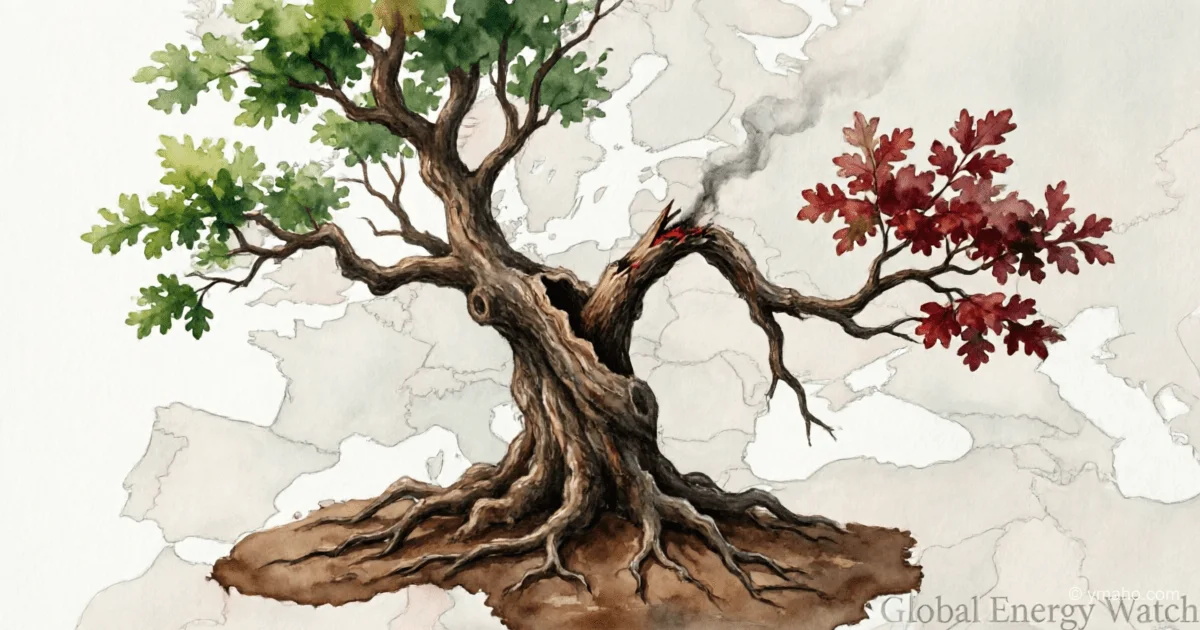
How Attacks in Ukraine Are Affecting Your Electricity Bills: The Global Ripple Effects of Power Grid Disruptions
On the morning of April 21, six Ukrainian regions lost power due to Russian missile strikes and severe storms. But this isn’t just a regional issue. These outages serve as a stark reminder that the war continues to threaten energy stability across Europe and can directly impact your household fuel and electricity costs. Think of the power grid like a highway system. When bridges and interchanges are bombed, fuel tankers can’t make it to the cities. It’s the same with electricity: damaged transmission lines prevent power from reaching homes.
Why Does This Matter Globally?
Today’s blackouts across Chernihiv, Donetsk, Kharkiv, Sumy, Zaporizhzhia, and Dnipropetrovsk are part of a prolonged campaign against Ukraine’s energy infrastructure. But why should people in other countries care? Ukraine remains synchronized with the broader European power grid. While direct gas flows from Russia through Ukraine have plummeted, the conflict has forced nations to pivot toward alternatives like liquefied natural gas (LNG) from the United States. This shift introduces greater volatility into global energy pricing.
Every new strike on critical infrastructure sends a warning signal to commodity traders. Imagine playing poker where your opponent keeps raising the ante. In energy markets, reports of attacks trigger panic buying and increase demand for strategic reserves, driving up oil and gas prices. Even though Ukraine doesn’t directly export electricity to Europe, its ongoing struggles shape the overall market sentiment. It’s like tossing a stone into a calm lake—the ripples travel far beyond the initial splash.
How to Conserve Energy During a Crisis
Ukrenergo has asked residents to avoid using high-wattage appliances between 5 p.m. and 10 p.m. This isn’t just guidance for Ukrainians; similar conservation measures are used worldwide to stabilize grids during stress events. Here are practical steps to ease pressure on the power network:
- Shift heavy appliance use to off-peak hours — turn off space heaters and washers/dryers in the evening, when demand typically spikes after work
- Switch to LED lighting — they use up to five times less electricity than traditional incandescent bulbs
- Seal drafts around windows and doors — better insulation significantly cuts heating bills
Key Takeaways
• The war in Ukraine continues to influence global energy markets, regardless of where you live
• Cold snaps drive up electricity demand, leaving grids more vulnerable to disruptions
• Conserving power during peak hours helps prevent widespread blackouts
• European nations are accelerating investments in renewable and alternative energy to mitigate conflict-related risks
What This Means for Everyday Consumers
These developments highlight how geopolitical conflicts halfway across the world can directly impact your wallet. Should energy tensions in Europe intensify, expect potential price hikes for gasoline and electricity in your area. That’s why even modest energy savings today contribute to the resilience of the global grid tomorrow. Ultimately, reliable power supply isn’t just Ukraine’s challenge—it’s a shared responsibility for all of us.
— Editorial Team









