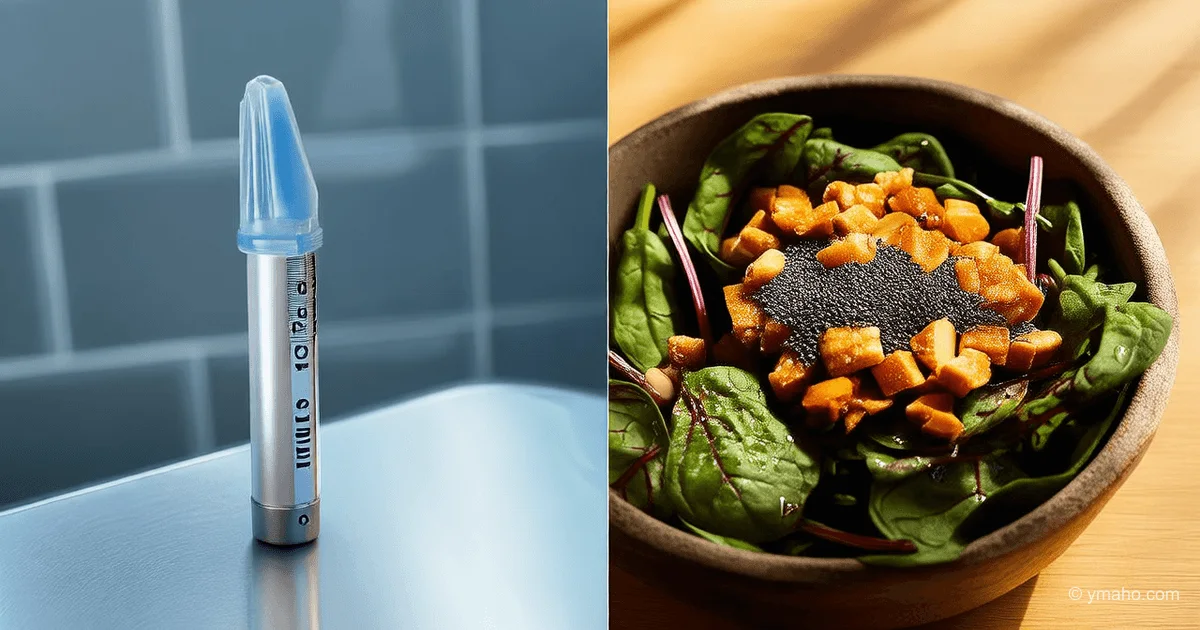
Nature's Ozempic Clone: How 'Fibermaxxing' Became the Top Weight Loss Strategy
The mindful eating trend in 2026 has replaced strict diets: 'fibermaxxing'—maximizing fiber intake to control appetite and achieve long-term satiety without harsh restrictions—has come into vogue.
Calling fibermaxxing 'nature's Ozempic' is a dangerous oversimplification, but it perfectly captures the mechanics that the food ingredient and pharmaceutical markets are trying to make sense of in May 2026. We're not just seeing a fiber fad. We're witnessing big food, spooked by the mass exodus of consumers to GLP-1 analogs, hastily creating an over-the-counter, edible alternative to injections using the cheapest and oldest tool in the nutritionist's arsenal.
[The Core]: What's Really Happening
Fibermaxxing as a social phenomenon is a rebellion against the 'pill for everything' model. Consumers, especially Gen Z and millennials, are disillusioned with Ozempic's side effects: nausea, muscle loss, 'Ozempic face,' and most painfully, weight regain after stopping the drug. Fibermaxxing offers a narrative of 'I control my appetite naturally, without a shot.' Its foundation is satiety through activation of stomach mechanoreceptors and fermentation of soluble fibers into short-chain fatty acids, which stimulate the release of endogenous GLP-1.
But behind this consumer revolt lies a sober business calculation. The market for dietary fibers and specialty carbohydrates will grow from $15.43 billion in 2026 to $21.34 billion by 2030 at a CAGR of 8.4%. The fiber supplement market alone is valued at $11.26 billion in 2026. Every percentage point consumers shift from pharma to functional food represents billions of dollars flowing from Novo Nordisk's pockets to those of PepsiCo, Unilever, and Kraft Heinz. That's why we're seeing an avalanche of fiber-fortified products: PepsiCo bought Poppi for $1.95 billion, Kraft Heinz launched Mac & Cheese with fiber, Unilever acquired Gruns and their prebiotic gummies.
Timeline and Context
Since January 2026, major ingredient companies (Beneo, FrieslandCampina Ingredients, Rousselot) have begun publicly positioning their fibers not as 'digestive aids' but as 'natural GLP-1 triggers.' This was a strategic pivot: instead of fighting Ozempic, they latched onto its orbit. Beneo CEO Olivier Roques states outright: 'We have a product that triggers GLP-1 release, and it's not an injection.' This isn't science fiction but clinically confirmed data on slowly digestible sugars with a low glycemic index.
By May 2026, we've reached a tipping point: Morningstar notes that major brands are flooding into the 'functional fiber snacks' category but simultaneously warns of signs of saturation and that 'fibermaxxing, like any "maxxing" trend, quickly goes out of fashion.' Meanwhile, University of Colorado research confirms that 95% of Americans don't get enough fiber, and the trend could help—but only if it doesn't veer into extreme 50-70 grams per day, which risks bloating, diarrhea, and nutrient malabsorption.
Who Wins and Who Loses
Winners:
- Ingredient giants with portfolios of slowly fermentable fibers. Second-generation fibers—xylooligosaccharides (XOS), arabinoxylans (AXOS), beta-glucans—are effective at 1-2 g/day versus 5-20 g/day for inulin and FOS. This paves the way for premium fortified products priced 2-3 times higher than regular snacks.
- Manufacturers of 'smart' snack packaging. Since fibermaxxing involves portion control, demand for single-serve packaging is rising. PepsiCo with their Smartfood popcorn and Sun Chips with fiber is a classic beneficiary.
- Multicultural brands. Fiber is embedded in traditional diets of many cultures: legumes, whole grains, fermented vegetables. Sparkle Insights notes that for Latino, Asian, and African American consumers, fibermaxxing is not a restriction but a 'permissive structure' allowing them to eat their traditional foods with pride.
- Psyllium and other insoluble fiber sources. Experts particularly highlight psyllium husk for its ability to prevent constipation—a common side effect of GLP-1 therapy.
Losers:
- Producers of ultra-processed foods with zero fiber. The CDC notes that 55% of calories Americans consume come from ultra-processed foods, where fiber is removed during manufacturing. As fibermaxxing goes mainstream, white bread, fruit juices, and chips with zero grams of fiber become toxic assets.
- Brands betting on aggressive fortification without taste. Trying to cram 9 grams of fiber into a single can of soda (as Poppi's competitors do) causes bloating and discredits the category. Consumers quickly learn: if a product causes flatulence, there will be no repeat purchase.
- Pharma companies in the long term. If the food industry finds an effective and tasty way to deliver 25-35 grams of soluble fiber daily, a significant chunk of the 'easy weight loss' market will shift from injections to the supermarket.
What the Media Isn't Saying
The big secret that glossy fibermaxxing articles don't reveal: this trend is a goldmine for ingredient companies because it lets them sell production waste at premium prices. Lux Research points out that cellulosic fibers from cereal bran, beet pulp, oat hulls, and berry pomace are side streams—byproducts of the milling, brewing, and sugar industries. Previously, these were animal feed or compost. Now, after enzymatic hydrolysis and packaging in a pretty jar labeled 'prebiotic for gut health,' this fiber sells for $30-40 per pound. The margin on such transformation reaches 300-500%.
The second omission: the problem of added sugar in fiber products. Kanta Shelke, a food scientist at Johns Hopkins University, warns: 'If a snack contains 6 grams of fiber but also 15 grams of added sugar, that fiber is just decoration. The body has to simultaneously fight the sugar and try to digest the fiber.' In effect, many 'functional' bars and cookies are sugar bombs in green camouflage. The consumer buys an illusion of health and gets an insulin spike.
Forecast: Next 30 Days and 90 Days
Next 30 days (through mid-June 2026):
We'll see the first wave of lawsuits and exposés. By analogy with lawsuits against Poppi for insufficient prebiotic content in a can (which the company previously settled), activists will start testing fiber content in new products from Kraft Heinz, General Mills, and Beyond Meat and publish independent reports. The FDA may issue a warning that the term 'fibermaxxing' is unregulated and doesn't guarantee clinical benefit. Simultaneously, startup consolidation will occur: major players like Mondelez and Hershey will aggressively acquire indie brands with strong fiber storytelling. Deal prices will range from $50 million to $300 million.
Next 90 days (August 2026):
By late summer, fibermaxxing as a viral hashtag will begin to fade, but its legacy will remain as a new product development standard. Every new snack launched in the second half of 2026 will be required to have at least 3-5 grams of fiber per serving—otherwise, it won't pass retailers' internal filters. A structural shift will occur: fiber will cease to be a unique selling point and become a hygiene minimum, much like 'trans fat-free' once did. This will hit the margins of manufacturers that haven't vertically integrated with cheap raw material suppliers.
Additionally, we'll see the birth of a 'hybrid' market: products combining fiber with amino acids and collagen for targeted effects on GLP-1 and muscle mass preservation. Rousselot is already paving this path by promoting collagen for 'metabolic health.' The price of such hybrid supplements will reach $80-120 per package. Finally, insurance companies will begin including high-fiber 'nutraceutical support' programs in policies for obese patients to reduce spending on prescription GLP-1 analogs. This will turn fibermaxxing from an internet meme into a managed care tool, with money flowing not directly from consumers but through insurance pools.
— Editorial Team









