Movement as Pleasure: Why Fitness Is No Longer About Pain and Results
The fitness industry has made a 180-degree turn: 71% of new studios offer gentle practices, and demand for yoga has grown by 45%. Workouts are adapting to mental state, replacing classic gyms with Pilates and myofascial release, where the key principle is psychological safety.
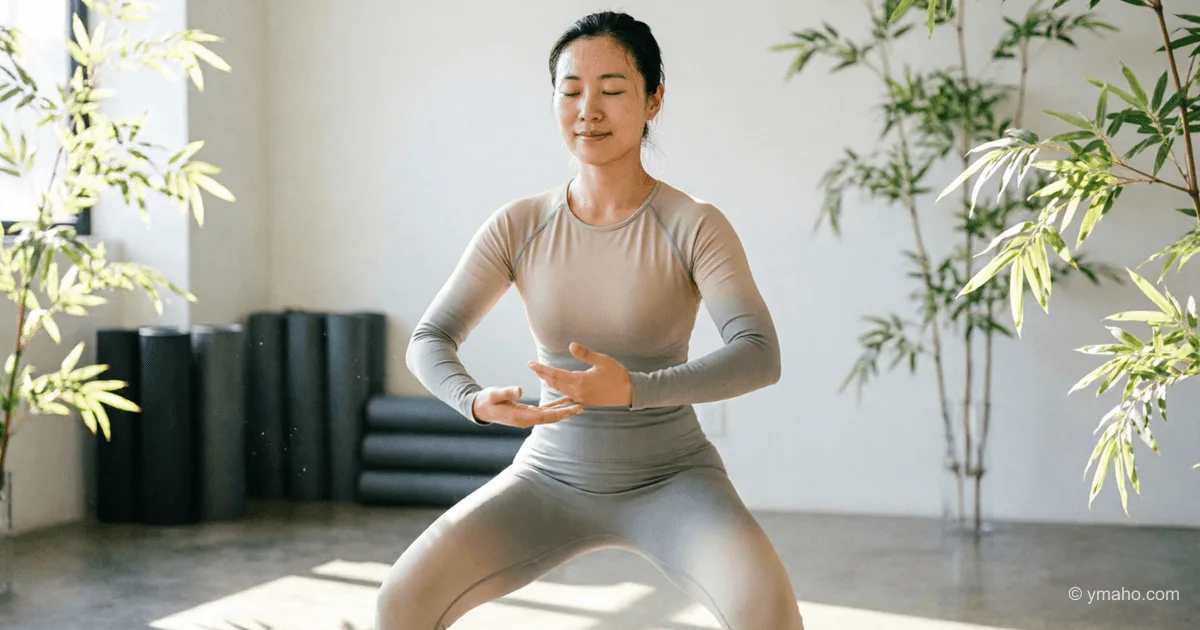
While the beauty industry redefines luxury and dentistry takes on the role of the face's chief architect, an equally tectonic shift has occurred in the parallel universe of fitness. The physical activity market, long built on the idea of overcoming and suffering, has officially surrendered to a new paradigm. Exhausting boot camps and hardcore CrossFit gyms are being replaced by what was once considered "frivolous": mindful movement, gentle practices, and the principle of psychological safety are becoming mainstream, not niche. The key KPI of a workout in 2026 is not kilocalories or kilograms on the barbell, but the emotional state after the session.
The Burnout Epidemic as a Catalyst for a New Fitness Philosophy
The root of this shift lies not so much in fashion as in the global stress epidemic. When the key audience of the fitness industry became Gen Z and millennials living in a mode of multitasking, information noise, and growing anxiety, the old "no pain, no gain" model turned from a motivator into a barrier. Research shows that rigid "pain and results" mindsets not only failed to build sustainable habits but literally scared off younger audiences, causing so-called "gymtimidation" — fear of the gym and not fitting into its aggressive environment.
That is why the fitness industry, driven by the experience economy, began to change its language. Behavioral scientists are sounding the alarm: "Punishing yourself in the gym is not the way to build a loving and sustainable relationship with movement. What really helps is what brings pleasure, leaving you feeling capable and wanting to come back." Rejecting violence against the body for an ephemeral ideal became the central narrative, backed by numbers. The global Les Mills 2026 report, which studied the habits of 10,000 people, showed that emotional pleasure is the main predictor of habit formation, surpassing objective workout intensity in importance. This legitimized "movement as pleasure" as a scientifically sound strategy, not just a pleasant alternative.
Timeline of the Shift: From Extremes to the "Joy as Method" System
A telling indicator was the transformation of the JOMO (Joy of Missing Out) concept into the main antidote to toxic FOMO. While quantity of workouts and mandatory attendance at every trendy class were once valued, now consciously skipping a session in favor of recovery is a sign of an advanced athlete. The case of GymNation in the UAE, which on Mental Health Day completely removed weights from the gym, posting a sign saying "The only weight you should lift today is your mental load," became a viral symbol of the era. Gyms began mass-implementing "Zone Zero Training" — extremely low-intensity movement for those just starting their cautious steps toward health and for experienced athletes seeking balance.
The rapid growth in demand for gentle practices became statistically significant. According to industry reviews as of early 2026, 71% of new studios favor restorative formats. Demand for classic yoga showed a net increase of 45%, but even more telling is the explosion of interest in new hybrid formats. For example, search queries for "somatic self-soothing" skyrocketed by 5000% over the past year — these are meditative techniques using instinctive body vibrations to release nervous tension. Another bright marker is the rise of "walking yoga," combining slow pacing with mental awareness: search interest jumped by 2414%.
Separately, there is the renaissance of tai chi. The number of searches for "tai chi exercises" grew by 130%, and the hybrid format Tai Chi Walking, combining mindful steps with traditional Chinese practice, showed an astonishing growth of 4700%. These figures prove that consumers have moved from sports "about abs" to sports "about the nervous system."
Impact on the Industry: The Recovery Economy and Market Reshaping
Movement as pleasure is deeply restructuring business models. The main change is a shift from attracting new clients to retaining existing ones through the quality of their mental experience. Business analytics here are relentless: acquiring a new club member costs the operator 5 to 25 times more than retaining a current one. And what retains now is not the "heaviest barbell" but community and a sense of psychological support. Surveys show that 73% of clients link their ongoing motivation precisely to belonging to a fitness community, and 47% of Gen Z say that community is the main reason they stay loyal to their studio. This forces gym owners to transform from iron landlords into operators of social wellness hubs. According to several data points, 88% of clients already expect not only strength classes but also restorative ones like yoga, breathing practices, and meditation on the schedule.
Financial flows are also shifting: consumers are less willing to spend on aggressive "challenges" but actively invest in the wellness component. This fuels a boom in Reformer Pilates studios, which have captured the market as an aesthetic yet deep muscle-workout format without injury, and explosive growth in the recovery equipment segment. Searches for saunas and cold plunges grew by 160% year-over-year, confirming that rest and inflammation reduction have become a separate legitimate act of self-care. Even at the consumer goods level, the market has responded: sales of compact walking pads with handrails soared by 300%, allowing quiet mobility to be integrated directly into office spaces.
Response of Key Players and Global Alignment
The legitimization of "movement as pleasure" on a global level was cemented by leading industry institutions. The American Council on Exercise (ACE) and the American College of Sports Medicine (ACSM) in their annual reports directly stated that fitness no longer exists in isolation from mental health. A telling statistic: 78% of surveyed athletes named mental and emotional well-being as the main motivation for movement, and this fact shifted the long-standing priority from "appearance" to "mental health" — "sanity before vanity."
Even giants of the "iron" industry changed their rhetoric. Les Mills, the largest operator long associated with high-intensity cycling, in its 2026 program report proclaimed "JOMO" as trend number one, shifting focus to mindful relaxation and building connections between participants. The budget chain PureGym in the UK launched a new advertising campaign, completely abandoning motivation through results and "burning off food," replacing characters with perfect abs with the character Glow — a fluffy creature embodying the feeling of lightness and joy after a good workout.
At the individual training level, this has taken shape as a rejection of rigid programming in favor of reading the client's state. As practicing personal trainers note, a session with a stressed-out client in 2026 begins not with a warm-up on the treadmill, but with myofascial release on rollers and breathing techniques to consciously lower heart rate before even thinking about load. This completely inverts the usual logic.
Forecast: Pleasure as a Non-Expiring Health Asset
We stand on the threshold of an era where "design for pleasure" will become the core competency of a fitness professional. The labor market forecast is clear: the well-paid trainer will not be the one who "kills" the client with load, but the one who can guide them through soft practices without shame over "insufficient intensity." Studios will continue to integrate tracking not so much of calories but of heart rate variability (HRV) as a marker of recovery — this biometric is becoming the "new weight on the barbell."
The trend will also inevitably lead to further medicalization and simultaneous socialization of fitness. Games that bring joy from joint action become not just entertainment but a serious tool for embedding habits into life, bypassing internal resistance. The medical system is beginning to recognize physical activity as a treatment method, and insurance companies are evaluating it as a preventive measure (in the US, for example, from 2026, Health Savings Accounts allow paying for fitness services with tax-advantaged funds).
Movement as pleasure is not a retreat into softness but a sober calculation. The industry has finally realized that the most effective workout is the one you enjoy so much that you return to it for decades. In this doctrine, "pleasure" becomes not a hedonistic whim but a strategic asset for longevity and the main compass of the wellbeing economy. Muscles built through joy and mindful breathing turn out to be stronger than those forged in pain.
— Editorial Team









