China Won't Replace Europe: Why Russian Gas Is Flowing East at a Huge Discount
Russia hoped that China would fully replace Europe as the main buyer of its gas, but reality has turned out differently: Beijing is getting fuel at a significant discount, and this price gap will persist for years. Why does this matter to anyone paying for heating or tracking global energy prices? Because the global gas market is being reshaped right now, and the new rules are affecting resource costs worldwide.
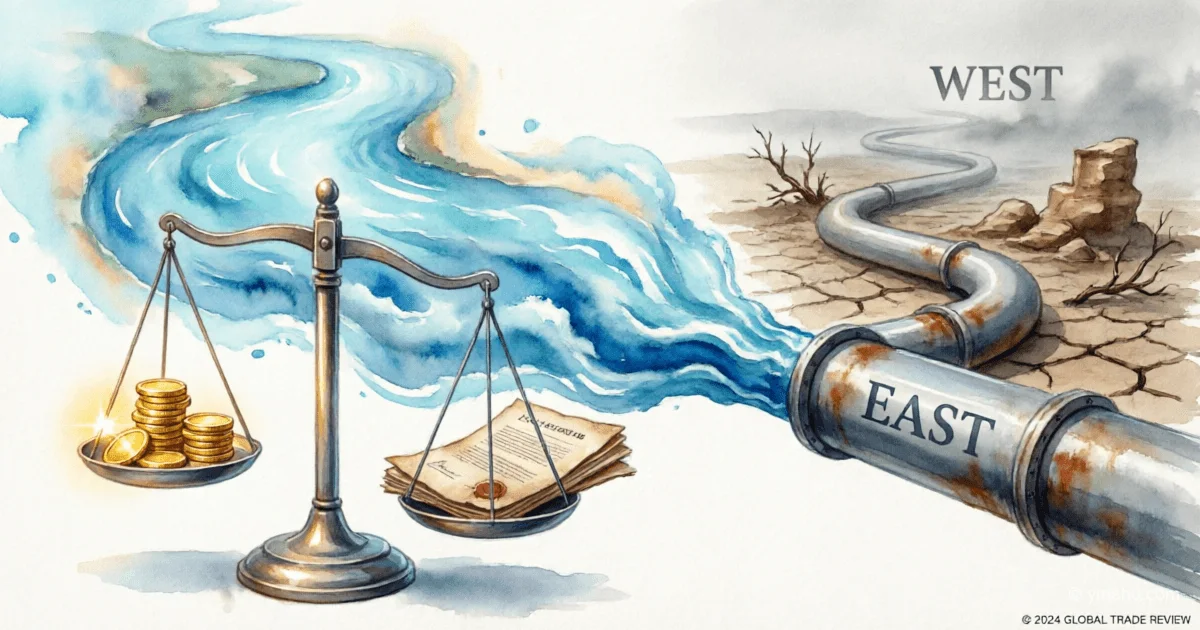
Imagine you’ve spent years selling a product to your neighbors at a premium price, but after a fallout, you’re forced to find a new bulk buyer. The new partner agrees to take everything—but only if you offer a steep discount, since they have options. That’s roughly what gas trade between Moscow and Beijing looks like today. According to Bloomberg, Russia plans to sell gas to China this year at an average of $258.80 per thousand cubic meters. That’s 38% cheaper than the price paid by the few remaining European countries still buying Russian fuel. The gap will slowly narrow, but even by 2029, China’s discount is expected to remain around 27%.
Why Are Prices Lower in Asia?
Gazprom’s official stance is straightforward: the fields supplying eastern routes are geographically closer to China than western fields are to Europe, making logistics cheaper. However, market analysts see a different picture. Beijing holds a strong negotiating position, well aware that Russia currently lacks other major buyers for pipeline gas. When a buyer knows the seller has limited options, they set the terms.
Three key factors shape the final price:
• Geographic proximity of eastern fields to the border, which objectively reduces transportation costs.
• Beijing’s strong bargaining power, leveraging current market conditions to its advantage.
• The long-term nature of contracts, locking in conditions for years regardless of short-term spot market fluctuations.
This is a classic market mechanism that operates across sectors—from grain trading to international energy deals.
Pipelines, Volumes, and Market Physics
The Power of Siberia pipeline has already reached its design capacity of 38 billion cubic meters per year. By 2029, deliveries are expected to grow to 52.5 billion cubic meters thanks to the expansion of the existing line and new branches on the Far East. These figures sound impressive, but they must be viewed in context. Before 2022, up to 200 billion cubic meters were shipped annually to Europe. Redirecting such volumes eastward is like trying to pour water from a wide navigable river into a narrow garden hose. It’s physically impossible without massive infrastructure development, and construction of a second trunk line remains in lengthy negotiation stages—potentially taking up to ten years to complete.
Meanwhile, pipeline deliveries to Europe will continue declining gradually. They’re projected to fall to 32 billion cubic meters per year by 2028–2029. To offset losses, Russian companies are actively redirecting liquefied natural gas (LNG) to "friendly" countries, offering discounts of up to 40% off spot prices and sometimes altering shipping documents to conceal the origin of cargo. These maneuvers confirm one thing: the energy market has become fragmented, and regional price disparities are the new normal.
What Does This Mean for Ordinary People?
Global gas prices directly affect heating, electricity, and even food costs, as energy is required for production, storage, and transportation. As long as Russia sells resources at a discount while Europe and Asia adapt to new supply chains, the market remains vulnerable to disruptions. For consumers, this means the era of cheap, predictable energy is over—and utility bills will depend on how quickly the world builds alternative infrastructure.
— Editorial Team









