Germany Begins Selling Former Gazprom Assets: What It Means for the Energy Market
Berlin is moving forward with the sale of seized Russian gas assets, a decision that could reshape the European energy landscape. Why should ordinary people care? Because these actions will directly influence how stable heating and electricity prices remain in the coming years.
What’s Actually Happening
Gazprom’s former German subsidiary, placed under state control by Berlin in 2022, is preparing for partial privatization. Now operating as Sefe, the company plans to raise between 1.5 and 2 billion euros through a capital increase—issuing new shares to attract fresh investment. These funds will go toward modernizing infrastructure, including underground gas storage facilities and major pipeline networks.
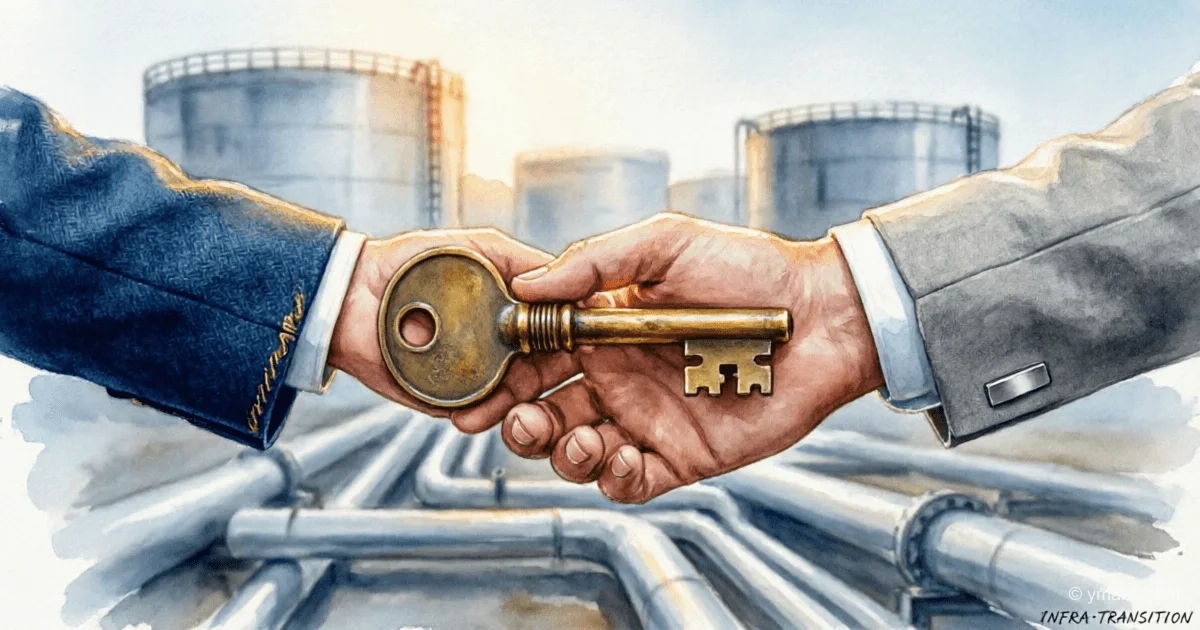
Imagine the government temporarily taking over a critical warehouse to ensure the city doesn’t run out of heat. Now, authorities are seeking private investors to fund upgrades and gradually acquire ownership. That’s essentially what’s unfolding now. For the first time, the German government’s stake will be diluted, and under European Commission rules, Berlin must sell at least 75% of the shares by the end of 2028.
Why This Matters for Global Markets
Sefe’s leadership emphasizes that rising tensions in the Middle East have accelerated asset-sale plans. Reduced energy supplies from the region have reminded Europe once again of the value of reliable infrastructure. Against this backdrop, spot prices for natural gas—fuel priced for immediate delivery—have started climbing, making the company more attractive to major buyers.
There has been speculation within the industry that the business might be split and sold off in parts. However, confirmed facts point the other way: Sefe intends to maintain a unified structure combining regulated infrastructure assets and trading operations. Management believes these two divisions function like interlocking gears in a single machine. Talks about a potential merger with another nationalized importer, Uniper, have also surfaced, but for now, this remains a market hypothesis without official developments.
- The government will retain oversight until 2028.
- Investors will gain access to proven EU gas infrastructure.
- The UK trading division will remain part of the overall package.
- Gas prices in Europe will depend on how quickly private capital is attracted.
Key Takeaways
- Sefe’s privatization is not a one-off transaction but a multi-year process governed by Brussels.
- Keeping infrastructure and trading under one roof reduces the risk of supply disruptions.
- Geopolitical tensions directly affect asset valuations and investor interest.
- The market awaits clear signals from Berlin on who will become the strategic buyer.
What This Means for Ordinary People
The stable operation of gas storage sites and pipelines directly impacts your winter utility bills. If private capital is successfully drawn in, Europe could see a more predictable energy market, free from sudden price spikes. For consumers, this means fewer surprises on monthly invoices and greater confidence that radiators will stay warm, regardless of political turbulence.
— Editorial Team









