Why a Closed Shipping Lane Could Soon Make Your Groceries More Expensive
A key shipping route in the Middle East has been blocked for months, and while your grocery bill hasn't jumped yet, experts warn the real pinch is coming. This matters because the cost of making food—fuel and fertilizer—has already soared, and those higher costs are about to hit the global dinner plate.
How a Bottleneck Becomes a Price Hike
The Strait of Hormuz is like a major highway for the world's farm supplies. Normally, about one-third of all fertilizer shipped by sea and one-quarter of seaborne oil passes through this narrow channel. Since the route was closed, the price of these critical ingredients has gone up. Fertilizer is the nutrient mix that helps crops grow, and oil is needed to run farm equipment and transport food.
There's a delay, however, between a farmer paying more for fertilizer and you paying more for bread. Most of the food we're eating right now was grown before this crisis started. Also, global cereal stocks—the backup supply of grains like wheat and corn—are currently at record highs. This buffer is helping soften the initial blow.
The Ticking Clock for Next Season's Harvest
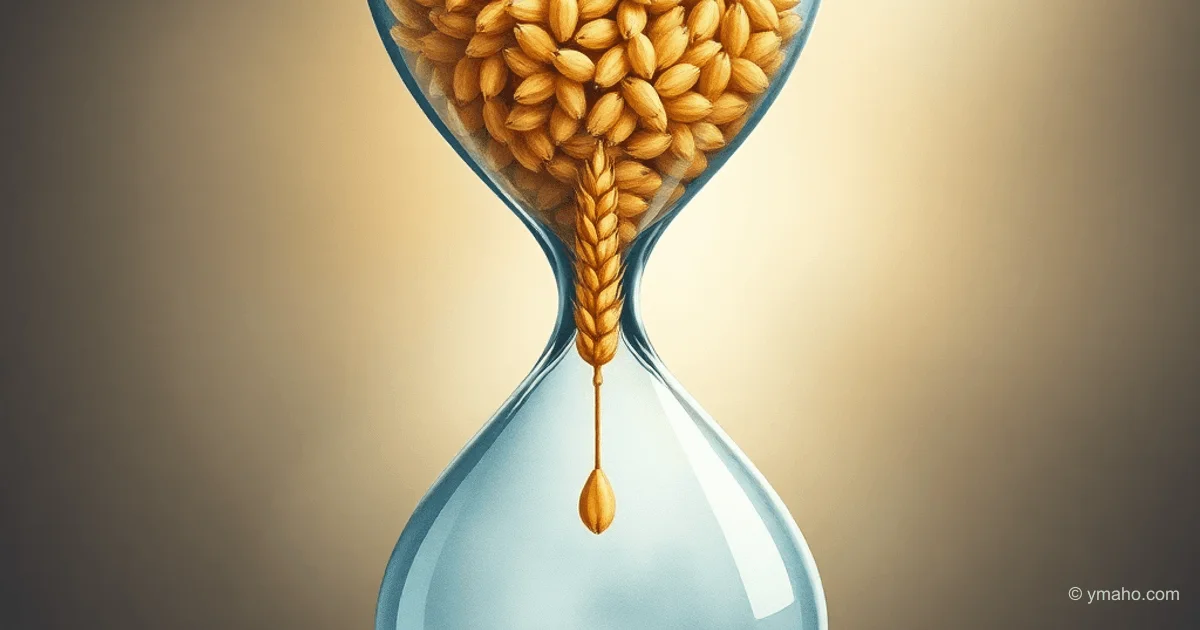
The real concern is for the next growing season. Farming works on a biological clock; you plant in spring and harvest in fall. The markets for fertilizer and shipping, however, can change price in days. If the strait stays closed, farmers facing much higher costs may decide to:
- Use less fertilizer, which could lead to smaller harvests.
- Plant fewer crops overall.
- Struggle with higher costs for fuel to run tractors and transport goods.
The UN's Food and Agriculture Organization (FAO) warns that if this situation drags on, it could lead to a global food "catastrophe." They estimate nearly 45 million more people could face acute food shortages if the conflict continues.
Why This Hits Some Places Much Harder
A rising global price index doesn't tell the whole story. In many lower-income countries, transportation costs make up a much larger slice of the final food price. So, even before a bad harvest, people in cities like Dhaka, Cairo, and Lagos are already feeling the bite of higher fuel costs in their weekly food budgets.
When prices rise, families often have to shift away from nutritious foods like fruits, vegetables, and proteins toward cheaper, calorie-dense staples like rice or bread. This shift can have lasting consequences for health, especially for children.
Key Countries Most at Risk According to Analysts:
- India
- Bangladesh
- Sri Lanka
- Somalia
- Sudan
- Tanzania
- Kenya
- Egypt
What Does This Mean for Regular People?
For most, it means planning for gradually higher grocery bills over the next several months, not an immediate shock. The world's large grain reserves will provide some cushion. However, for millions of people in poorer nations who spend most of their income on food, this could mean the difference between having enough to eat and going hungry. The length of this shipping disruption is the single biggest factor determining how severe the outcome will be.
— Editorial Team









