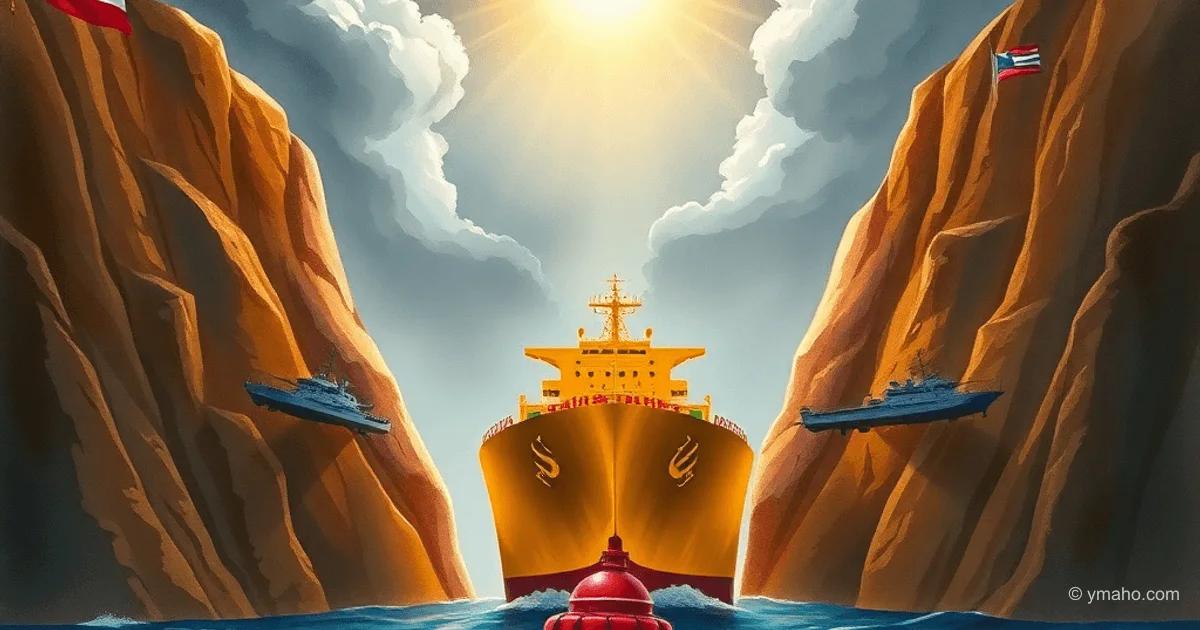
Oil Prices Crash as Hormuz Strait Reopens—Then Closes Again
Oil prices suddenly dropped below $91 a barrel after Iran briefly reopened the Strait of Hormuz—but then slammed the door shut again within hours. If you fill up your car, pay for heating, or buy anything shipped by sea, this matters: the strait is a global oil chokepoint, and every twist in its status sends shockwaves through everyday costs.
Why the Strait of Hormuz Is So Important
The Strait of Hormuz is a narrow waterway between Iran and the Arabian Peninsula—think of it as the world’s oil front door. About 20% of all oil used globally flows through this passage every day. When it’s open, tankers move freely; when it’s blocked, even partially, oil gets harder to deliver, pushing prices up fast.
For weeks, the strait had been nearly closed due to military tensions between Iran, Israel, and the U.S. That scarcity sent oil prices soaring to $119 a barrel in March—the highest since the conflict began. But on Friday, hope returned: Iran announced the strait was “completely open” during a 10-day ceasefire between Israel and Lebanon.
Markets reacted instantly. Brent crude—the global oil benchmark—plunged more than 9%, falling to $90.38 a barrel, its lowest level in over a month.
The Flip-Flop That Shook Markets
The relief didn’t last. By Saturday, Iran reversed course, saying it would keep blocking ships as long as the U.S. maintained its naval blockade of Iranian ports. President Trump had insisted that blockade would stay “in full force” until Iran agreed to new terms on its nuclear program and regional actions.
This whiplash—open one day, closed the next—creates huge uncertainty for oil traders, shipping companies, and governments. Ships that rushed into the strait on Friday now face renewed risk. Analysts noted a brief surge in vessel traffic overnight, but that may stall again if tensions escalate.
Key developments:
- Iran initially opened the strait during a fragile ceasefire.
- Oil prices dropped sharply on hopes of restored supply.
- Within 24 hours, Iran reinstated restrictions, citing ongoing U.S. sanctions.
- Global markets are now bracing for another price swing.
What Does This Mean for Regular People?
If you’re not trading oil futures, this still affects you. Higher oil prices mean more expensive gasoline, airline tickets, plastic goods, and even groceries—since farming and transport rely heavily on fuel. A stable Hormuz keeps those costs predictable. But every time it flickers between open and closed, prices wobble, and so do household budgets.
Governments may also tap emergency oil reserves or delay green energy transitions if prices stay volatile. For now, the situation remains fluid—and fragile.
Key Takeaways
- The Strait of Hormuz handles roughly one-fifth of the world’s oil supply.
- A brief reopening caused oil prices to crash over 9% in one day.
- Iran quickly reversed its decision, tying future access to U.S. policy changes.
- Shipping activity spiked temporarily but could drop again amid renewed risk.
- Consumers worldwide feel the ripple effects through fuel and product prices.
— Editorial Team









