Inflation in Europe Surges: Why This Worries the World
Inflation in eurozone countries has sharply risen to its highest level in two years. This isn't just a local issue—it's a warning sign for anyone tracking energy prices, food costs, and the future value of their money. When living becomes more expensive in Europe, the ripple effects spread globally, impacting the cost of goods, currency exchange rates, and even your personal savings.
What Is Inflation and Why Does It Matter?
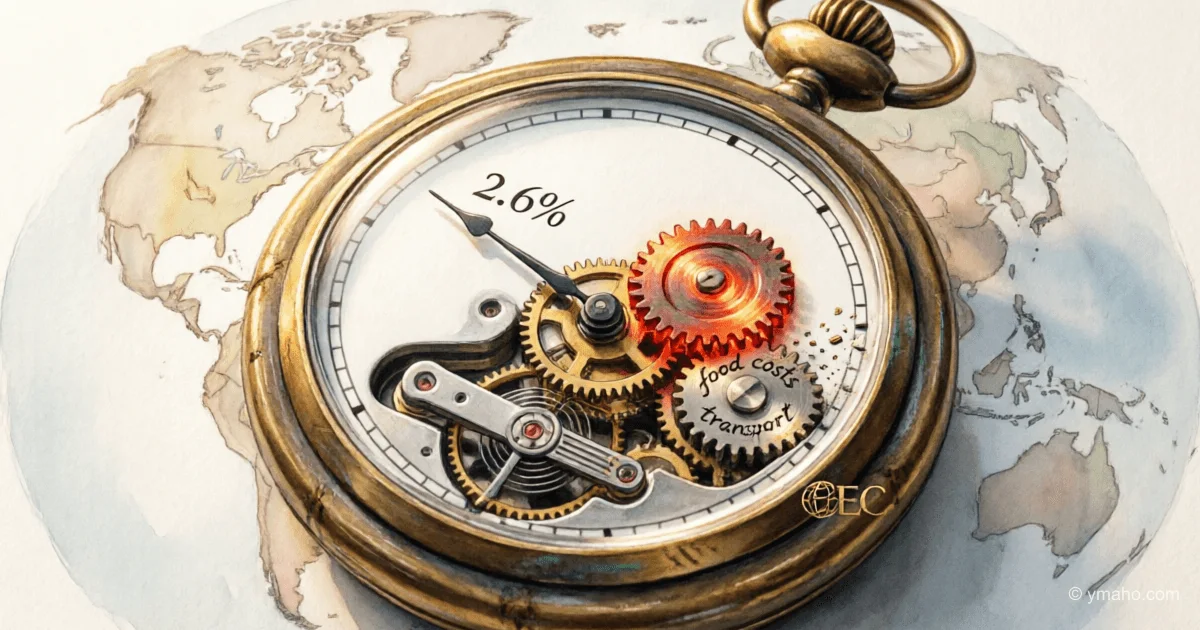
Inflation is simply the sustained increase in prices for goods and services. Imagine your usual grocery basket getting slightly more expensive each month, or paying more for fuel and electricity than you did a year ago. As inflation rises, money gradually loses its purchasing power. In March, inflation in the eurozone reached 2.6% year-on-year—meaning average prices rose by 2.6% over the past year. This is the highest level since last July and exceeds economists’ expectations.
The Main Driver: Energy Prices
The primary cause behind this inflation spike is the sharp rise in energy prices—oil, gas, and electricity. In March, energy costs were up 5.1% compared to last year. It’s like suddenly facing higher utility bills at home: all other expenses automatically go up as a result. Two key factors are driving this:
- Geopolitical Tensions. Conflict in the Middle East and disruptions to the Strait of Hormuz by Iran and the U.S. have created risks for global oil supplies. When the world economy’s main supply routes are threatened, fuel prices soar.
- Second-round effects. High energy prices don’t stay isolated. They seep into everything: transportation becomes costlier, manufacturing requires more spending, and final retail prices climb.
What Experts Think—and Why It’s Alarming
Economists see this as a red flag. Klaus Wustenberger, chief economist at Pantheon Macroeconomics, notes that inflation is approaching 3% and could remain elevated for some time. Central banks like the European Central Bank (ECB) typically treat energy-driven price spikes as temporary. But their main concern is if this pressure turns into something more persistent—a phenomenon known as "second-round inflation." This happens when high energy costs push companies to raise prices across the board, and workers demand higher wages to keep up with rising living costs. Once this cycle begins, it can lead to long-term inflation.
Global Consequences: It’s Not Just Europe
Rising inflation in Europe has direct global impacts:
- Global Markets. Europe is one of the largest consumers of goods and energy. When life gets more expensive there, it affects global prices for oil (Brent, WTI), metals, and agricultural commodities.
- Exchange Rates. High inflation can weaken the euro (EUR). If the ECB delays responding, confidence in the currency may drop, affecting the EUR/USD exchange rate.
- Investments. Investors worldwide monitor inflation as a key indicator. High inflation often prompts central banks to raise interest rates to control it. This makes borrowing more expensive and can temporarily dampen activity in stock and cryptocurrency markets.
- Economic Growth. The International Monetary Fund (IMF) has already downgraded its growth forecast for the eurozone—from 1.3% to 1.1% this year. Slower growth in a major economic bloc slows global trade.
Key Takeaways
- Eurozone inflation hit 2.6%, the highest in two years.
- The main driver is rising energy prices (+5.1%) due to geopolitical risks.
- Economists fear a shift from temporary spikes to sustained "second-round inflation."
- The situation affects global oil prices, the euro exchange rate, and investor sentiment.
- The IMF has cut its growth outlook for the region.
What This Means for Ordinary People
For most people, this boils down to two things. First, imported goods from Europe—or those relying on European components (like cars and machinery)—may gradually become more expensive. Second, if major central banks like the ECB or the U.S. Federal Reserve (Fed) perceive a threat of persistent inflation, they may delay cutting interest rates—or even consider raising them. This would make loans and mortgages more expensive not only in Europe but also affect global financial conditions. Ultimately, economic stress in one region spreads widely, affecting the cost of living, investment opportunities, and the stability of your savings.
— Editorial Team









