Iran attacked tanker in Strait of Hormuz: why this affects everyone
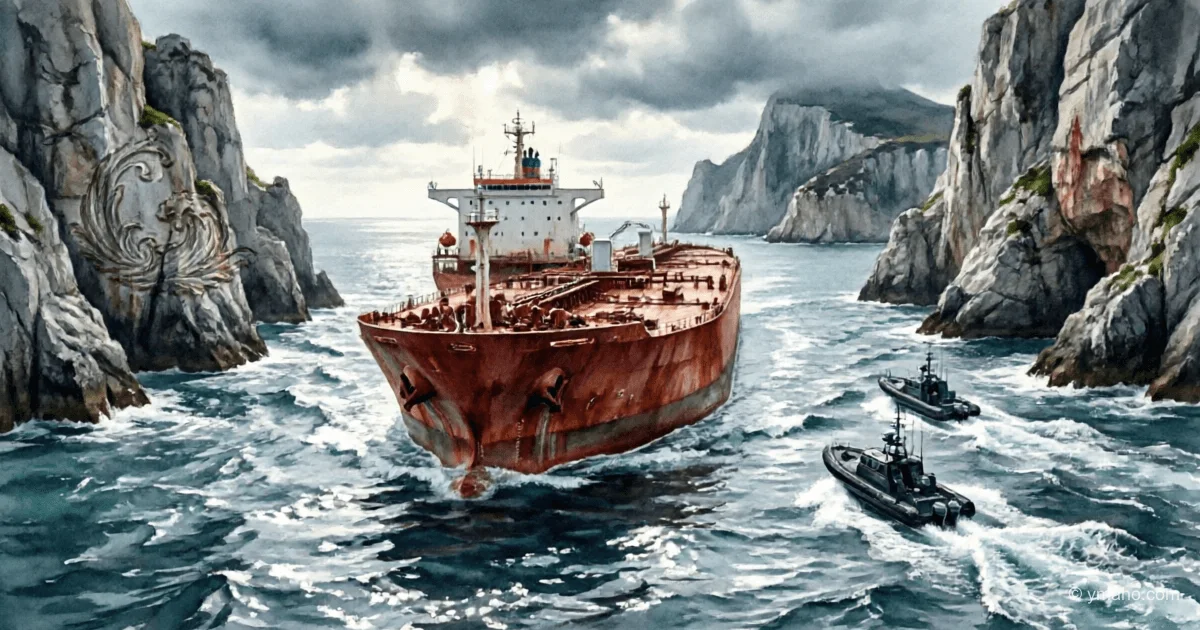
Iranian military speedboats opened fire on a commercial oil tanker in the Strait of Hormuz — a critical maritime route for global oil supplies. This incident directly impacts oil and gasoline prices worldwide, as it threatens the main artery of global energy.
The Strait of Hormuz is a narrow waterway between Iran and Oman. Think of it like the main pipe in a home plumbing system. If that pipe gets blocked or damaged, water stops flowing to apartments. Through this "maritime pipeline," about 20% of all oil consumed globally passes each day. This includes oil from Middle Eastern countries such as Saudi Arabia, Kuwait, and Iran itself, which is then shipped to Europe, Asia, and the Americas.
What exactly happened?
According to the UK Maritime Trade Organisation (UKMTO), two armed vessels approached the tanker and opened fire without warning. The incident occurred near the Omani coast. The ship’s captain reported that the tanker and its crew remained safe after the attack. However, the mere fact of an armed assault on a civilian commercial vessel in such a strategic location is a serious warning sign.
This event is part of a broader conflict between the U.S. and Iran. The U.S. has imposed a naval blockade on Iranian ports, demanding ships turn back. In response, Iran has announced the restoration of "strict control" over the strait. The situation resembles a tug-of-war, where the rope is a vital sea lane.
Key points:
- The Strait of Hormuz is a critically important route for global oil shipments.
- Armed conflict in the strait raises the risk of physical supply disruptions.
- Any disruption in oil transportation immediately affects global oil prices.
- The U.S. and Iran are engaged in a "blockade war," increasing the likelihood of further incidents.
- Crews of commercial vessels now operate under heightened danger.
Why does this matter to the entire world, not just the region?
Oil prices form the foundation of the cost of many goods around us. When oil becomes more expensive, production costs rise for plastics, transportation fuel, and even certain types of clothing. This affects final consumer prices — from gasoline at the pump to plastic grocery bags.
If oil shipments through the Strait of Hormuz are disrupted, the world will face two problems:
- Physical shortage: there will literally be less oil available on the market because it cannot be exported.
- Higher insurance premiums: shipping oil through a high-risk zone becomes more expensive, and this added cost will be passed on to the price of every barrel.
This is not a local conflict between two nations. It's an event within a system that powers factories in Germany, power plants in Japan, and vehicles in the U.S.
What does this mean for ordinary people?
Rising energy prices can lead to a higher cost of living. Gasoline may become more expensive, affecting public transit and delivery costs. Companies reliant on oil (such as transport or chemical firms) may reassess their expenses, sometimes passing increased costs onto consumers. In the short term, this incident adds another layer of instability to the global energy market, which is already under pressure from other geopolitical events.
— Editorial Team









