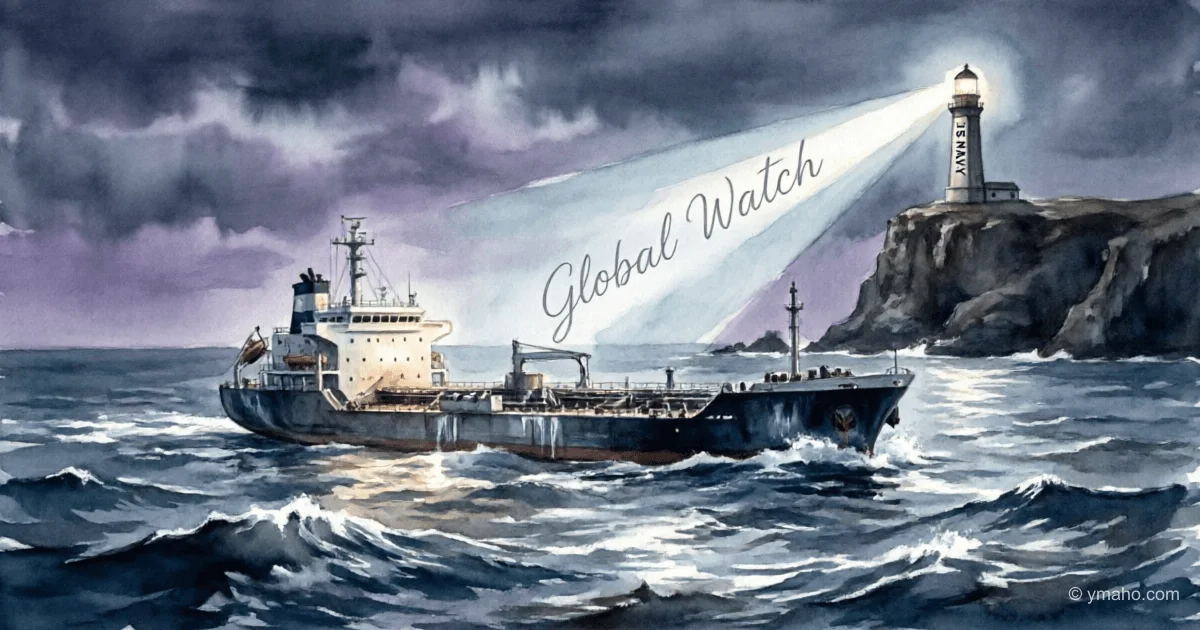
Global Hunt for Tankers: How U.S. Actions Against Iran Will Hit Your Wallet
The U.S. military has announced a global crackdown on Iranian tankers, meaning they can now be intercepted anywhere in the world. This isn’t just another headline from the defense desk: within a few weeks, you’ll likely see gas prices tick up, and possibly even grocery bills. Why? Because the oil these tankers carry fuels everything from transportation fuel to the plastics used in everyday packaging.
What Actually Happened?
Previously, U.S. forces only monitored the Strait of Hormuz—a narrow chokepoint between Iran and Oman that handles roughly a third of the world’s seaborne oil trade. Now, the U.S. Navy has been ordered to stop, board, and detain any vessel linked to Iran, regardless of which ocean it’s in. It’s an unprecedented escalation: sanctions have shifted from targeted regional measures to a worldwide enforcement posture. The goal is to cut off Iran’s oil revenue, which Washington claims funds its military programs. American warships will be scanning for more than just crude carriers; they’ll also be looking for ships transporting weapons, drones, or even dual-use metals that could feed into defense manufacturing. Since the blockade began, most tankers attempting to exit the Strait of Hormuz have turned around or anchored. While a few vessels have managed to pass through (like the supertankers Alicia and RHN), the mere threat of detention is already causing many shipping companies to cancel routes.
Why Does This Affect You?
Imagine your city relies on a single highway to bring in groceries. If that road gets blocked, food prices skyrocket. That’s exactly what’s at stake with the Strait of Hormuz. It’s the planet’s primary oil artery. Spanning just 33 miles at its narrowest point, it moves about 20 million barrels of oil daily—nearly a third of all global maritime exports. Despite sanctions, Iran still pumps out 1 to 2 million barrels a day. If those shipments get halted, global supply tightens, and prices jump. But oil isn’t just about gasoline. It’s the feedstock for plastics, synthetic textiles, agricultural fertilizers, and even pharmaceuticals. So, higher oil costs will ripple through almost every item you purchase.
How Does This Play Out in Practice?
When oil supplies tighten, a chain reaction kicks in:
- Tanker interceptions → lower market availability → rising crude prices.
- Higher crude prices → increased production costs for gasoline, plastics, and industrial chemicals.
- Expensive raw materials → sticker shock at retail stores and gas pumps.
Markets do adapt. For instance, Saudi Arabia could ramp up output to fill the gap. But scaling production takes time, and historically, short-term crises like this almost always trigger price spikes.
Key Things to Keep in Mind
- The snowball effect: Even a minor supply dip (just 1–2%) can drive prices up 5–10% as markets react to uncertainty.
- Beyond the pump: Airfare, plastic packaging, and public transit fares will all climb.
- Gold as a safe haven: During geopolitical turbulence, demand for gold typically surges, pushing up jewelry and bullion prices.
- Stay calm, stay prepared: Markets eventually adjust, but topping off your tanks now could save you cash down the line.
What This Means for Everyday Consumers
If you’re noticing gas prices creep up, take it as a clear warning sign. Consider filling up while rates are still manageable, but avoid panic-buying or stockpiling fuel—that only worsens shortages. The bottom line: distant geopolitical maneuvering often lands much closer to home than we realize. Stay informed, but don’t let fear drive your decisions. Historically, markets always find a way to stabilize.
— Editorial Team









