How a Conflict in the Middle East Is Raising Prices at Your Gas Station
A war between the U.S. and Iran has paused, but the economic shockwaves from a blocked shipping lane are still hitting everyday Americans at the pump. This isn't just a distant political story; it's about why your gas bill and grocery costs have suddenly jumped.
President Donald Trump has denied that Israel pushed the U.S. into this conflict, stating his own views on Iran's nuclear ambitions were the cause. However, a large portion of the American public, according to polls, disapproves of how the war has been handled, with critics suggesting it serves another country's interests more than America's.
The Trigger That Shook Global Trade
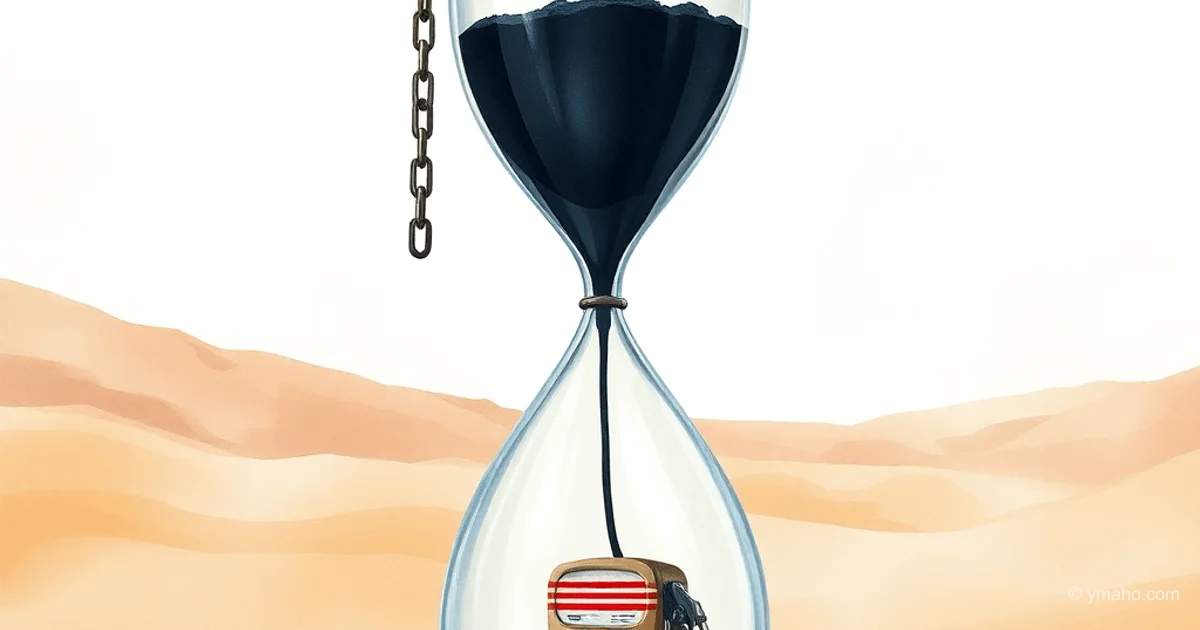
The initial military strikes in February led to a dramatic Iranian response: they blocked the Strait of Hormuz. Think of this strait as a super-sized highway for oil tankers. Closing it is like shutting down a major interstate during rush hour—everything gets backed up and the cost to move goods skyrockets.
This single action sent oil prices soaring worldwide. When the cost of crude oil rises, it affects almost everything that uses energy, from fueling cars to manufacturing goods.
The Direct Impact on Your Wallet
In the United States, the effects are concrete and measurable.
- Gasoline Prices: The price for a gallon of gas has stayed above $4, a significant jump from the under-$3 average before the conflict began. This increase persists even after a ceasefire started.
- Broader Inflation: Higher energy costs act like a rising tide that lifts all other prices. They fuel general inflation, which is the process where the overall cost of living goes up. This means not just gas, but groceries, utilities, and other essentials become more expensive.
- Public Sentiment: Recent polling indicates that about two-thirds of Americans are unhappy with the president's management of the war, linking the economic strain to the foreign policy decision.
The Political Debate Behind the Prices
The controversy centers on why the war started. Key points in the debate include:
- The Official Reason: The President cites a long-standing goal of preventing Iran from obtaining a nuclear weapon and the events of October 7th, 2023, as motivations, despite no public evidence linking Iran directly to those attacks.
- The Critic's View: Opponents argue the war did not address an immediate threat to the U.S. and instead advanced the interests of Israel, a nation whose leader has consistently advocated a tough stance against Iran.
- A Strategic Shift: Before the conflict, the U.S. had announced a plan to move its military focus away from the Middle East. The war with Iran represents a stark reversal of that stated policy.
What Happens Next?
The fighting is currently halted under a temporary ceasefire. Further talks between U.S. and Iranian officials are possible, but both sides have warned they could restart the conflict if negotiations fail. The immediate ceasefire deadline is approaching.
The President has also pointed to Venezuela, where U.S. intervention led to a change in leadership and stability, as a model for what he hopes could happen in Iran—a change in government leading to a prosperous future. Whether that scenario unfolds remains uncertain.
Key Takeaways
- The blockage of a critical oil shipping route directly caused a spike in global oil prices.
- This price spike translates directly into higher costs for gasoline and other goods for American consumers.
- The war has sparked significant domestic political debate over its origins and costs.
- The situation remains fragile, with the potential for renewed conflict if diplomatic talks break down.
- The economic consequences of geopolitical events can be immediate and personal, affecting household budgets.
What does this mean for regular people?
For now, the high prices you see for fuel and other goods are a direct result of a disrupted supply chain for oil. The stability of those prices depends heavily on whether the pause in fighting becomes a permanent peace. If conflict resumes, expect further pressure on your everyday costs.
— Editorial Team









