Iran Opens the Strait of Hormuz: How This Will Impact Oil and the World
Iran has announced it is opening the previously blocked Strait of Hormuz to all commercial vessels. This development could sharply reduce oil prices and affect the economy of every person around the globe.
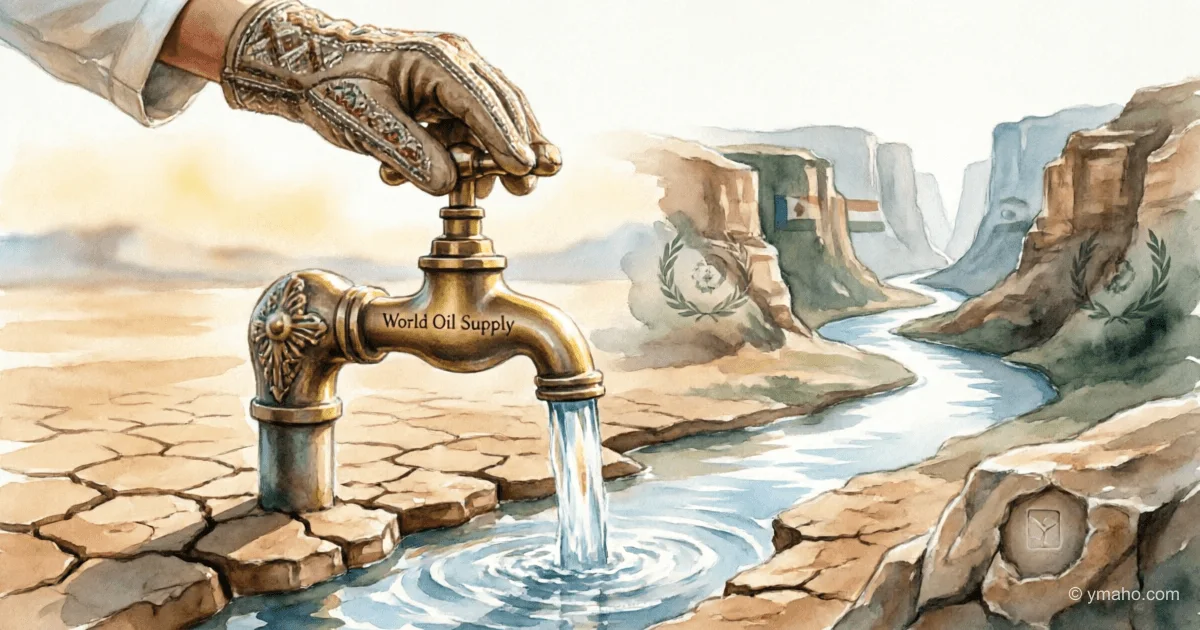
The Strait of Hormuz is a narrow maritime corridor connecting the Persian Gulf to the world’s oceans. It functions like the main pipeline for global oil supply: roughly 20% of all oil purchased by countries passes through it. When this "pipeline" was partially blocked, oil prices surged—much like water prices during a drought. Now that it’s reopening, the flow of oil may return to normal.
Why the strait matters to everyone
Oil prices influence the cost of nearly everything. When oil becomes more expensive, transportation, manufacturing, and energy costs rise. This leads to higher prices for food, gasoline, and even electricity in our homes. Simply put, expensive oil makes life more costly for everyone.
The reopening of the strait is directly linked to the ceasefire announcement between Israel and Lebanon. U.S. President Donald Trump stated that these two nations have agreed to a 10-day halt in hostilities after 34 years of conflict. Seeing this diplomatic breakthrough, Iran decided to open the strait temporarily during the truce.
This demonstrates how local conflicts can instantly impact the global economy. Peace in one region can restore stability to oil supplies worldwide.
What happened with the strait earlier
- April 12: The United States announced the start of a blockade on ships in the strait, detaining those paying taxes to Iran.
- April 14: Three vessels heading to Iranian ports successfully passed through the strait, effectively testing the American blockade.
- April 15: The supertanker Agios Fanourios I also crossed the strait after an initial failed attempt.
- April 17: Supertankers Alicia and RHN, under U.S. sanctions for transporting Iranian oil, managed to pass through.
The U.S. further expanded its blockade, applying it to all Iranian vessels and sanctioned ships "regardless of their location." This escalation created tension and posed a risk to global oil supplies.
Key takeaways
- The Strait of Hormuz is a critically important route for global oil shipments.
- Its reopening follows a diplomatic success—the ceasefire between Israel and Lebanon.
- Unimpeded vessel passage could ease pressure on oil prices.
- This event highlights the connection between geopolitics and everyday people’s economies.
- Stability in the strait reduces the risk of sudden energy price spikes.
What this means for ordinary people
If oil becomes cheaper due to the strait’s reopening, it could gradually lead to lower gasoline prices and reduced costs for goods dependent on transportation. The world becomes a little more stable when key trade routes remain open. However, the situation remains temporary and hinges on the continuation of the regional ceasefire.
— Editorial Team









