Iran Refuses Talks as US-Iran Ceasefire Teeters on Edge
Iran has refused to attend new peace talks with the United States, threatening to collapse a fragile ceasefire and potentially reignite a conflict that could disrupt global energy supplies. For anyone watching gas prices or the stability of their investments, this matters because a war in the Middle East directly affects the price of oil and the cost of goods everywhere.
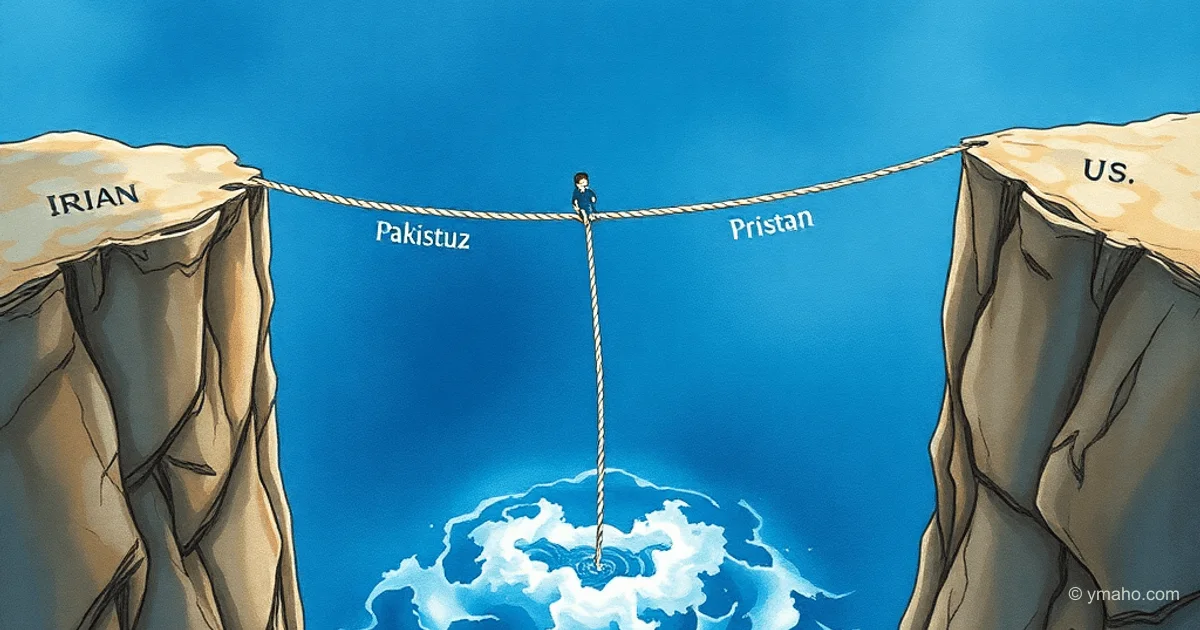
Pakistan had been preparing to host multi-day negotiations between the two nations, hoping to secure a longer peace deal. The current ceasefire, a temporary pause in fighting, was set to expire in less than 48 hours. Iran's refusal came after the US seized an Iranian cargo ship and maintained a naval blockade in the Strait of Hormuz, a critical waterway for global oil shipments. Iran called these actions violations of the ceasefire and international law.
The Strait of Hormuz: A Global Economic Pinch Point
The Strait of Hormuz is like a narrow hallway in a busy office building where everyone must pass. About one-fifth of the world's oil supply travels through this narrow sea channel every day. When it gets blocked or threatened, the global energy market reacts immediately, much like traffic jamming up when a main road is closed. The US blockade, which began on April 13, and the seizure of the Iranian ship are seen by Iran as acts of war that break the temporary peace agreement.
Think of the ceasefire as a handshake agreement between two angry neighbors to stop throwing rocks at each other's houses. If one neighbor starts building a fence that blocks the other's driveway, the handshake deal is broken. Iran sees the US actions as building that fence, so they are now refusing to come back to the negotiation table.
Pakistan's Mediation Efforts Face a Wall
Pakistan, acting as the middleman or mediator, had mobilized significant resources to host the talks. Hotels were cleared, roads were sealed, and thousands of security personnel were deployed in Islamabad. Their goal was to get both sides to agree to a Memorandum of Understanding (MoU). An MoU is like a preliminary agreement—a promise to keep talking for a longer period, which would effectively extend the ceasefire by up to 60 days.
However, Iran's public stance left these preparations in doubt. Iranian officials stated that "no clear prospect for productive negotiations is foreseen" under the current conditions. Meanwhile, US President Donald Trump announced his delegation was traveling to Pakistan but accompanied the announcement with renewed threats to destroy Iran's power plants and bridges if they did not accept US terms.
The Gap Between Public Words and Private Actions
Analysts point out that nations often say one thing publicly while doing another privately. This is a common negotiation strategy. Iran's hardline public statements help them maintain credibility with their own people and increase their bargaining power. Privately, they had signaled a delegation might still travel to Pakistan. This dual-track approach means the door to diplomacy isn't completely closed, but the public escalation makes the path much more dangerous.
Key events leading to the current impasse:
- April 11: First round of talks in Islamabad ends without agreement.
- April 13: US imposes a naval blockade on the Strait of Hormuz.
- April 17-20: US seizes an Iranian cargo ship; Iran publicly refuses further talks.
- Ceasefire Deadline: Set to expire within 48 hours of Iran's refusal.
What Does This Mean for Regular People?
When major nations clash in a region that supplies the world's oil, the effects ripple out to everyday life. A breakdown in talks could lead to renewed conflict, potentially disrupting oil shipments and pushing up energy prices globally. This affects the cost of gasoline, heating, and manufacturing, which can slow down economies and impact job markets. For now, the situation remains tense, with the immediate risk being the end of a ceasefire that has briefly halted a wider war.
Key Takeaways
- Iran has refused to attend new US-Iran peace talks, citing US military actions as ceasefire violations.
- The Strait of Hormuz, a vital oil transit route, is currently under a US naval blockade, escalating tensions.
- Pakistan's mediation efforts are jeopardized, potentially ending a fragile ceasefire.
- Nations often use tough public rhetoric as a negotiation tactic, so private diplomacy may still be possible.
- The immediate risk is the expiry of the ceasefire, which could reignite conflict and disrupt global energy markets.
— Editorial Team









