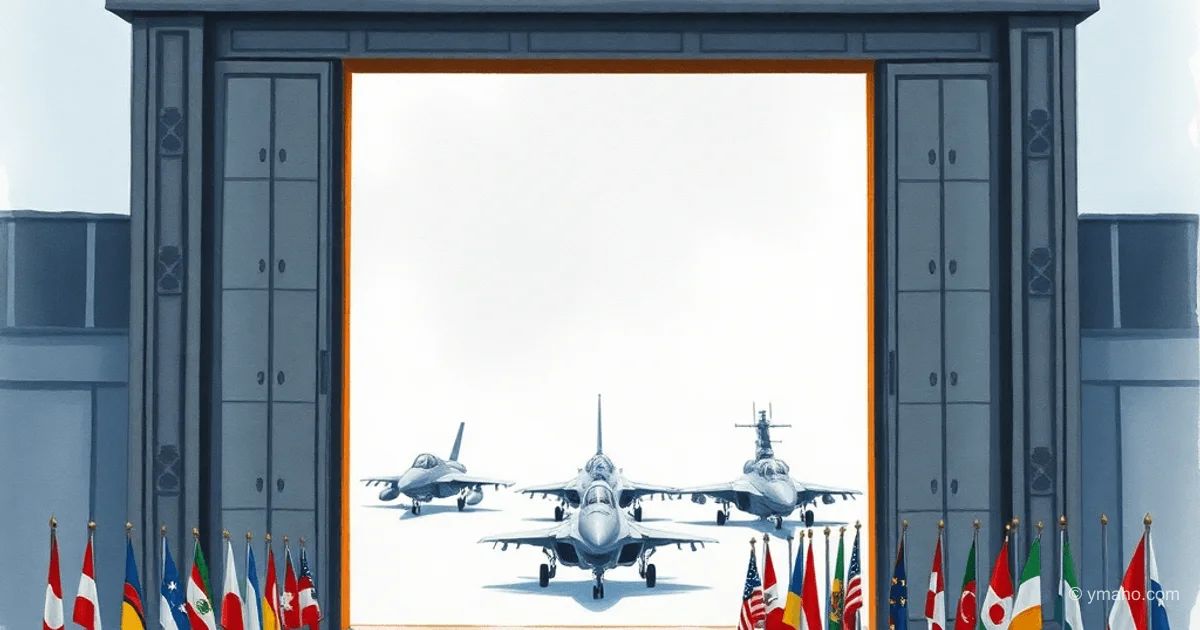
Japan Opens Its Arms Factory Doors to the World
Japan has decided to start selling its advanced fighter jets and warships to other countries, ending a decades-old rule that kept its military factories closed to the world. This move signals a major shift from Japan's long-standing pacifist stance and could reshape global defense relationships, potentially affecting trade and regional stability.
Imagine a world-class chef who, for years, only cooked for their own family. Suddenly, they decide to open a restaurant and serve their famous dishes to paying customers. Japan's defense industry has been similar—it built top-tier military equipment like fighter jets and missiles, but only for its own use. Now, it's opening its 'kitchen' to a select list of other nations.
The End of a Long-Standing Rule
For nearly 50 years, Japan followed strict rules that essentially banned the export of weapons that could kill people. These rules, put in place after World War II, allowed Japan to sell only non-lethal equipment, like gear for surveillance or clearing mines. It was a core part of Japan's identity as a peaceful nation that renounced war. The new policy, approved by Prime Minister Sanae Takaichi's cabinet, changes that principle entirely. Now, transfers of all defense equipment are possible.
The change doesn't mean Japan will sell weapons to anyone. The government says recipients must be countries that promise to use the weapons in line with the United Nations Charter—a set of rules aimed at maintaining international peace. Reports suggest at least 17 countries are eligible to buy, including Australia, New Zealand, the Philippines, and Indonesia. This list could grow if more countries sign agreements with Japan.
Why This Change Happened Now
Japan's leaders argue the world's security environment has become more severe. The Prime Minister stated that no single country can protect its own peace and security alone anymore. This thinking aligns with recent actions, like a massive $7 billion deal where Japan will build warships for Australia. The policy shift formalizes and expands this kind of cooperation.
There are still restrictions. Japan says it will not export weapons to countries where active fighting is happening, unless there are 'special circumstances' related to Japan's own national security needs. This tries to balance the new openness with a degree of caution.
Reactions and Historical Sensitivities
The announcement coincided with reports that the Prime Minister sent a ritual offering to the Yasukuni Shrine in Tokyo. This shrine honors Japan's war dead, including over 1,000 convicted war criminals from World War II. Visits by Japanese officials to this shrine have long upset neighboring countries like China and South Korea, where memories of Japanese wartime actions remain painful.
China responded swiftly to the arms export decision. A Chinese foreign ministry spokesman called it Japan's 'reckless new-style militarisation' and vowed that the international community, including China, would remain highly vigilant and resist it. This highlights the delicate regional tensions that this policy change touches upon.
Key points to understand:
- Japan is ending a ban on exporting lethal weapons like jets and missiles.
- Sales will be limited to countries that agree to use them under UN peace rules.
- The change is driven by a belief that countries must cooperate more for security.
- It follows a recent $7 billion deal to build warships for Australia.
- Neighboring countries, especially China, view the move with suspicion and concern.
What Does This Mean for Regular People?
For most people, this isn't about immediate changes in daily life. It's a shift in the global landscape. It could mean stronger defense ties between Japan and its allies, potentially altering the balance of power in regions like Asia. Over time, it might influence where advanced military technology is available, which can affect international diplomacy and trade relationships. It's a reminder that long-held national policies can evolve as the world's challenges change.
— Editorial Team









