Libya’s Oil Chaos Threatens Europe’s Energy Supply—Again
Europe is scrambling to secure oil as political chaos in Libya threatens a key energy lifeline—just when supplies from the Middle East are already disrupted. If Libya’s oil stops flowing, gas prices could rise again for everyday drivers and households across the continent.
Why Libya Matters More Than You Think
Libya sits just south of Italy and produces a type of crude oil that European refineries love: light and sweet, meaning it’s easy and cheap to turn into gasoline and diesel. Unlike oil shipped from the Persian Gulf—which now risks war zones and expensive insurance—Libyan oil reaches Europe in two days on calm seas with no extra costs.
That makes Libya a rare bright spot during global energy crunches. In fact, Egypt recently started importing about 1 million barrels of Libyan oil per month to replace what’s missing from the Strait of Hormuz, where Iran shut down shipping lanes after U.S.-Israeli strikes in February.
But there’s a catch: Libya hasn’t had a real national government since 2014. Instead, two rival factions control different parts of the country—and only one controls the oil.
Who Really Controls Libya’s Oil?
In western Libya, the internationally recognized Government of National Unity (GNU) operates from Tripoli and signs official oil contracts. But the actual oil fields, pipelines, and export terminals are all in eastern and southern Libya—territory held by Khalifa Haftar, a powerful military commander who runs his own army, the so-called Libyan National Army (LNA).
Think of it like this: Tripoli holds the pen, but Haftar holds the pump. Whenever he’s unhappy—over money, politics, or power—he can simply shut off the flow. And he has done so multiple times before.
In 2022, during Europe’s last big energy crisis caused by Russia’s invasion of Ukraine, a secret deal was struck not between governments, but between two individuals: Ibrahim Dbeibah (a top adviser in Tripoli) and Saddam Haftar (Khalifa’s son). They created a private company called Arkenu, based in eastern Libya, to sell oil directly—bypassing the state treasury.
The oil kept flowing to Europe. But according to a leaked UN report, billions in revenue vanished into private accounts overseas instead of funding hospitals, schools, or infrastructure in Libya.
The Deal Just Collapsed—Now What?
In early April, Tripoli officially canceled the Arkenu agreement, citing corruption and stolen public funds. That sounds good in theory—but it also means the fragile arrangement keeping oil exports running has fallen apart.
No new deal is in place yet. U.S. officials, including Trump adviser Massad Boulos, are trying to broker talks in Paris and Tunis. But these negotiations focus on budget deals and economic stability—not elections or democratic reform. Worse, Saddam Haftar has already dismissed some proposed terms as “nonbinding.”
As long as Haftar controls the oil fields, he can flip the switch off at any moment. And with tensions rising, that risk is growing.
New Threats Beyond Politics
It’s not just internal disputes anymore. Libya’s oil infrastructure is now caught in the wider Russia-Ukraine war:
- On March 3, Ukrainian naval drones allegedly launched from the Libyan coast hit a Russian LNG tanker near the Mellitah gas complex. The ship, part of Russia’s “shadow fleet” used to dodge sanctions, has been drifting in Libyan waters ever since.
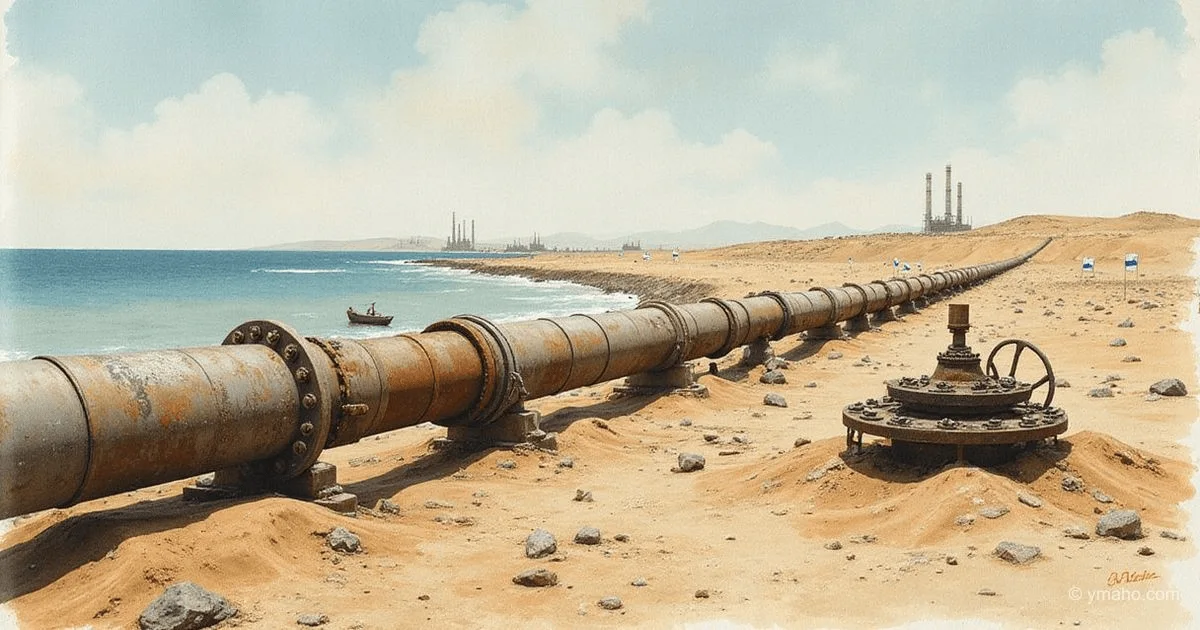
- On March 17, an explosion damaged a pipeline at the Sharara oilfield—the largest in Libya. Investigators found Russian-made bombs and rocket fragments at the scene, pointing to sabotage.
Unlike the Strait of Hormuz—a narrow channel that can be physically blocked—the Mediterranean Sea can’t be sealed off. But if tankers are attacked and pipelines blown up, the effect is the same: less oil reaches global markets.
What Does This Mean for Regular People?
If Libya’s oil exports stall, Europe will have fewer alternatives just as Middle Eastern supplies remain limited. That could push up fuel prices at the pump and increase heating and electricity costs. It also shows how fragile global energy systems are—even a small conflict far away can ripple into your wallet. And once again, Europe’s rush to secure energy may come at the cost of supporting unstable or corrupt arrangements abroad.
Key Takeaways
- Libya supplies easy-to-refine oil to Europe with minimal shipping risks—making it strategically vital right now.
- Real oil control lies with Khalifa Haftar, not the official government in Tripoli.
- A secretive oil deal (Arkenu) kept exports flowing but diverted billions from Libya’s public funds.
- That deal has collapsed, and no replacement exists—raising the risk of sudden supply cuts.
- Libya’s oil infrastructure is now a target in the Russia-Ukraine proxy war, adding physical sabotage to political risks.
— Editorial Team









