How the Iran Conflict Blacked Out Pakistan: Why It Could Hit Your Wallet Too
Pakistan has implemented widespread power outages due to the war in Iran. But this isn't just a regional issue: disruptions in natural gas shipments from Qatar could drive up energy prices globally, directly impacting your utility bills.
Why Lights Are Going Out in a Nuclear Powerhouse
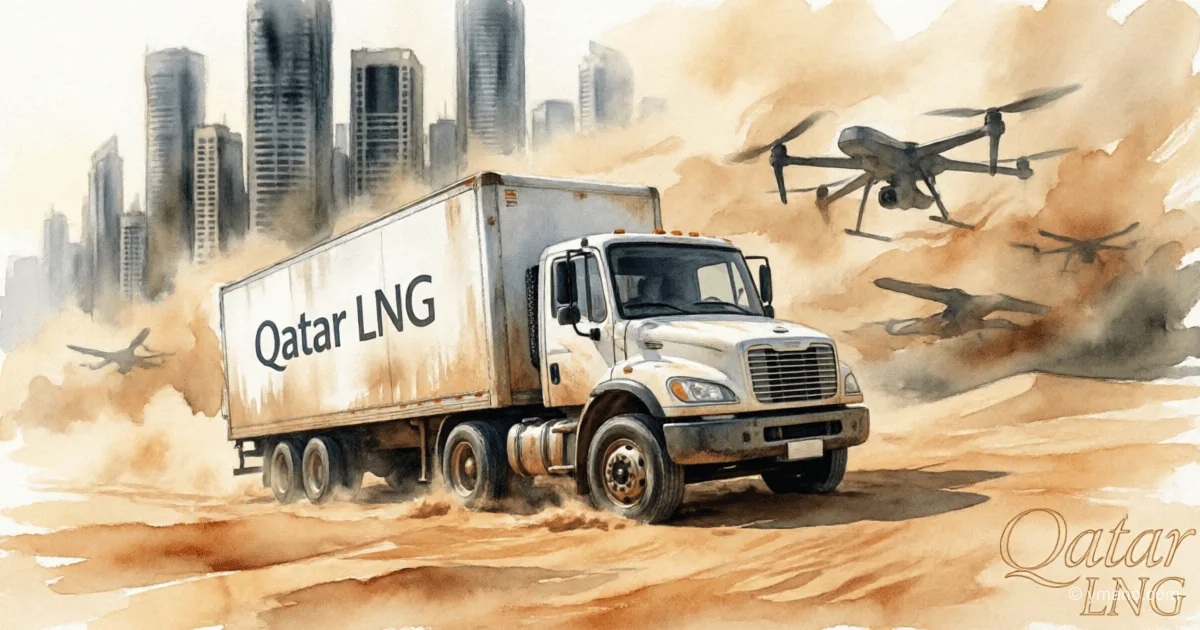
Pakistan, a nuclear-armed state, finds itself trapped in an energy crisis. Until recently, the country sourced all its liquefied natural gas (LNG) for power plants from Qatar—imagine relying on a single water supplier, only to have their pipeline suddenly cut off. In early March, two Iranian drones struck facilities operated by QatarEnergy, damaging equipment responsible for 17% of its production capacity. Restoring operations could take up to five years—akin to waiting six months for a new building to be constructed after a supermarket fire.
Since then, Pakistan has been operating under severe strain. During peak evening hours, the grid faces a 4.5-gigawatt shortfall—roughly equivalent to every fourth apartment in a city of one million suddenly losing power simultaneously. While officials promise blackouts will last no more than two hours, rural areas are actually enduring up to 14 hours without electricity daily, and factories are running at only half capacity.
A Global Chain Reaction
Why does Qatari gas matter to the rest of the world? Qatar accounts for a quarter of the planet’s total LNG supply—think of it as a single farmer feeding an entire continent. When those fields went temporarily fallow, other nations scrambled to buy up remaining stocks, driving prices through the roof. Europe, Asia, and even North America are now competing for every ton of LNG, much like passengers jostling for the last seat on a packed bus.
Countries like Pakistan, which simply can’t afford to pay premium rates, are hit hardest. Their power plants sit idle, factories shut down, and citizens are left in the dark. But the fallout has already spilled beyond South Asia: since March, Asian gas prices have jumped 15%, and the upward trend shows no signs of slowing.
Key Takeaways:
- Iranian strikes damaged critical QatarEnergy infrastructure in March
- Full recovery could take up to 5 years, signaling long-term gas shortages
- Qatar supplies 25% of global LNG, heavily influencing worldwide pricing
- Pakistan has been forced to implement rolling blackouts lasting up to 14 hours daily
- Rising gas costs are already being felt across Asia and Europe
What This Means for Everyday Consumers
Even if you live thousands of miles away, this crisis could still make a dent in your finances. First, surging fuel and energy costs are inflating the price of manufacturing everything from plastic toys to laundry detergent. Second, nations reliant on gas imports may scale back purchases, dealing a blow to exporting economies. Third, while such crises accelerate the shift toward solar and wind power, you’ll likely see a short-term spike in your own electricity and heating bills. The bottom line: energy security isn’t just a geopolitical concept—it’s a direct factor in keeping your household budget stable.
— Editorial Team









