Ukraine's Naftogaz reduces tax payments: what it means for the energy sector and the budget
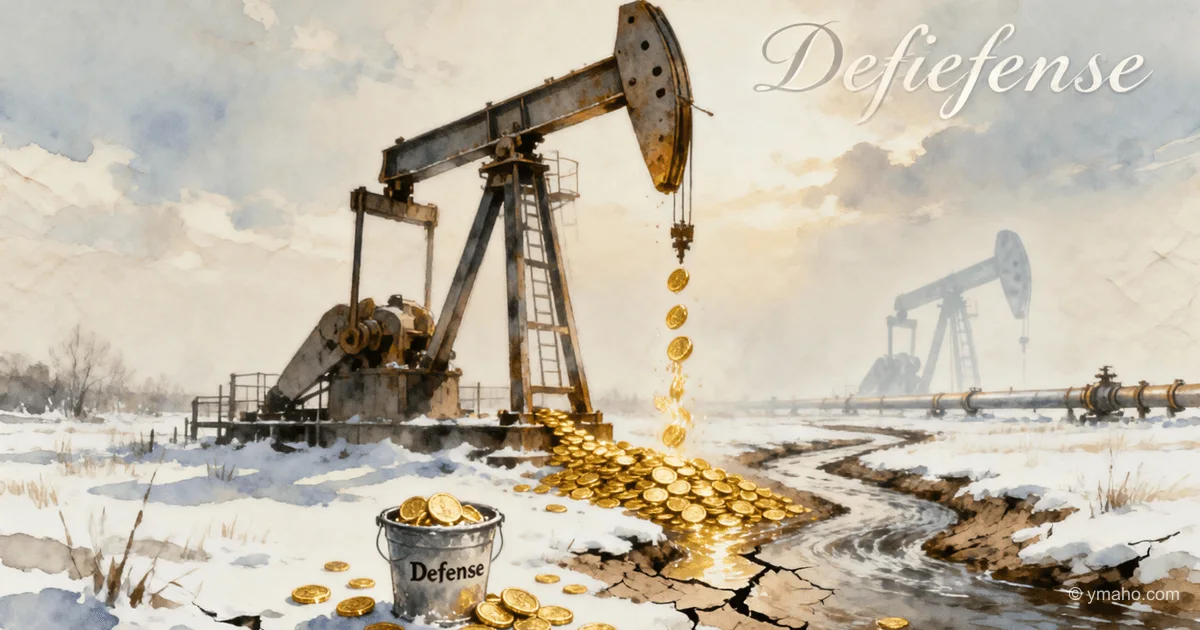
In the first quarter of 2026, Ukraine's largest oil and gas company, Naftogaz, paid UAH 21.7 billion in taxes to the budget — 6% less than a year earlier. This is not just an accounting figure: the decline in tax revenues from the energy giant signals possible problems in the sector and creates additional strain on the state budget, especially in wartime.
Reasons for the decline: falling production or tax breaks?
The company does not disclose detailed reasons for the reduction. However, experts link it to several factors:
- A decline in natural gas production due to depletion of old fields and lack of investment in exploration.
- Rising operating costs, including infrastructure repairs after shelling.
- Possible tax breaks introduced by the government to support the energy sector.
It is important to note that Naftogaz remains one of the country's largest taxpayers: UAH 19.7 billion of the total went to the state budget, and another UAH 2 billion to local budgets. For comparison, in January-March 2025, the company paid UAH 23.2 billion.
What matters
- The 6% drop in tax revenues from Naftogaz amounts to about UAH 1.5 billion that the budget did not receive.
- The company continues to fund defense: since the start of the full-scale invasion, USD 180 million has been allocated to support the Armed Forces.
- The decline may be due to objective difficulties in production, not tax evasion.
- Given the budget deficit, any reduction in revenues is critical for funding social and military expenditures.
- For global markets, this signals potential problems in Ukraine's energy sector, which could affect transit risks and gas prices in Europe.
What does this mean for ordinary people?
The reduction in tax revenues from Naftogaz could indirectly affect every Ukrainian. If the budget receives less money, the government will have to either cut spending (e.g., on subsidies or infrastructure) or find additional sources of revenue, which could lead to higher taxes or tariffs. Moreover, if gas production problems worsen, it could impact the stability of energy supply in winter.
— Editorial Team









