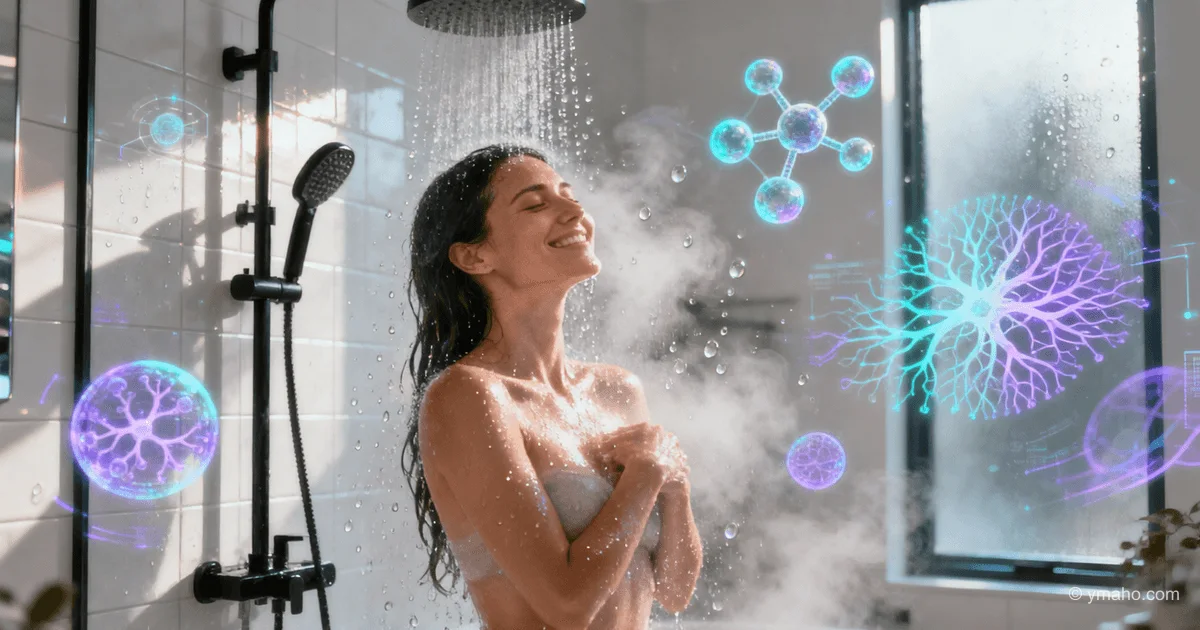
Neuroscience in the Shower: Unilever Bets on Fragrances That Boost Joy
Brands are transforming routines into anti-stress therapy: Sunsilk has launched Wondermist spray with EmotiWaves technology, which is neuroscientifically proven to increase levels of joy and confidence. Aromatherapy and mood influence are becoming key sales drivers in the mass market.
The Gist: What's Really Happening
Unilever is methodically turning the shower from a hygiene routine into a neurochemical lever for mood control. Sunsilk Wondermist—a hybrid spray that simultaneously reduces static and boosts joy through EmotiWaves technology—is not an isolated innovation. It is the cutting edge of the "Desire at Scale" strategy that the conglomerate is rolling out across its portfolio of 400 brands.
The real shift is moving competition from the shelf to the level of neuroscience. Consumers no longer choose between "shampoo for shine" and "shampoo for volume." They choose—consciously or not—between a morning dose of dopamine, the calming GABA effect of lavender, and an oxytocin-rich scalp care ritual. Unilever is the first mass-market giant to embed this choice into its product matrix at the level of patented technologies.
Insider Insight: Unilever owns more than half of the world's skin microbiome data and is building a new category of emotional well-being products on that foundation. The company has analyzed over 30,000 samples since 2003 and found that higher levels of Cutibacterium on the face and underarms are linked to lower perceived stress and improved mood. The connection between the microbiome and psychological state is no longer a hypothesis but a data-driven fact within the corporation. Cheer products like Wondermist are just the tip of the iceberg; the base is two decades of microbiome research that is only now being converted into consumer products.
Timeline and Context
2003. Unilever publishes the first major skin microbiome study, laying the foundation for its future Beauty & Wellbeing strategy.
2021. The company launches "Positive Beauty," a strategy that drops the word "normal" from packaging and sets a course for inclusivity. A study of 10,000 people in 9 countries showed that 52% of consumers consider a brand's social stance before purchasing.
February 2025. Lux Magic Orchid—the first neuroscientific proof of concept. A study with the University of Liverpool Brain and Behaviour Lab shows that the scent of Lux shower gel boosts confidence in 100 milliseconds—faster than conscious thought.
Late 2025. OLLY launches a mood-boosting collection of shower gels, recording electrical brain signals to select scents that enhance relaxation or energy.
February 2026. Sunsilk launches Wondermist, the first hair perfume treatment with EmotiWaves technology, neuroscientifically validated for feelings of joy, confidence, and self-esteem.
April 2026. Q1 2026 Earnings Call: Beauty & Wellbeing grows 3.6% to €3.1 billion. Hair sees high single-digit growth. Sunsilk returns to volume growth. OLLY sees double-digit growth. K18 and Dove Hair see double-digit growth.
May 2026. Dove Scalp + Hair Therapy elevates scalp health into a ritual format: science + sensory + fragrances + design. Unilever announces sponsorship of FIFA tournaments in Personal Care.
May 9, 2026. Here we are. Wondermist scales globally. The "Desire at Scale" strategy transforms from a corporate presentation into physical products on the shelf.
Who Wins and Who Loses
Winners:
- Sunsilk / Unilever Hair. Q1 2026 showed high single-digit growth in the hair category; Sunsilk returned to volume growth. Wondermist is the flagship product proving that Gen Z is willing to pay for "emotion in a bottle."
- OLLY (Unilever). Double-digit growth in Q1 2026. The brand is becoming the main testing ground for mood-boosting formulas in the personal care category.
- Dove Hair. Double-digit growth. Dove Scalp + Hair Therapy is the perfect combination of scientific validity and emotional ritual.
- University neuroscience labs. The University of Liverpool and other Unilever partners secure long-term contracts and access to a data set that no academic institution can compete with.
- AI departments within Unilever. Proprietary robotic labs enable thousands of parallel experiments, cutting the R&D cycle from months to days.
Losers:
- Traditional mass-market brands without a neuroscience portfolio. When Unilever proves its scents boost mood in 100 ms, and competitors keep selling "clean and fresh," the gap becomes not just marketing but evidence-based.
- L'Oréal and P&G in the emotional care segment. Procter & Gamble has no comparable public microbiome-emotion strategy. L'Oréal bets on tech devices (Perso, Colorsonic), but Unilever's neuroscience track is currently stronger.
- Mood-boosting cosmetic startups. When Unilever enters with the resources of a 400-brand portfolio and 20 years of microbiome data, the window of opportunity for D2C newcomers narrows sharply.
- Unilever's Wellbeing segment (temporarily). Wellbeing in Q1 2026 showed low single-digit decline against a very strong comparator in 2025. This is a reputational blow to the narrative "wellbeing is our future." However, management expects improvement from the second quarter.
What the Media Miss
1. EmotiWaves is not aromatherapy; it's a neurobiological hack.
Media write "scent for joy," missing the main point: the technology is scientifically validated for specific neurochemical effects. This is not "lavender calms," but a calculated impact on dopamine, serotonin, and oxytocin pathways. The difference is fundamental: aromatherapy is tradition; EmotiWaves is a patented technology with reproducible results.
2. Unilever's bet on emotions is a response to the differentiation crisis.
The personal care market is functionally saturated. The difference between shampoos from 10 brands is minimal. Emotional validation is the only remaining way to create switching costs: a consumer may switch to a competitor for the same cleansing, but won't leave if they're used to starting their day with a dose of confidence from a Dove bottle.
3. Microbiome and mood data is Unilever's future insurance asset.
The link between Cutibacterium and lower stress opens the door to "skin-brain axis" products with measurable psychological outcomes. In 3–5 years, Unilever could sell not a cream, but "a cream that reduces cortisol by 15% in 30 minutes." This moves the company into the preventive mental health segment, which in market size is comparable to pharmaceuticals.
4. "Desire at Scale" is a response to the private label threat.
When retailers release copies of Dove and Sunsilk under their own brands, Unilever responds: "Do you have a patent on EmotiWaves? Do you have 30,000 microbiome samples? No. Then you sell soap; we sell a neurobiological experience." The strategy aims to create a moat that cannot be copied by price.
5. FIFA sponsorship brings neuroscience haircare to billions of viewers.
The announced sponsorship of FIFA tournaments in Personal Care means Dove Men+Care and Sunsilk will gain global reach unavailable to any competitor. This is the first time neuroscientifically validated shower products will be advertised to a World Cup audience.
Forecast: Next 30 Days and 90 Days
30 days (by June 8, 2026)
Sunsilk Wondermist will launch in new markets in Asia and Latin America—regions where Gen Z is most receptive to mental health narratives. I expect a Sunsilk collaboration with a popular mental health influencer to legitimize the "spray your mood" behavior. Dove will start a Scalp + Hair Therapy campaign focusing on ritual, not treatment. Unilever will publish a study on EmotiWaves' impact on adolescent self-esteem, sparking discussion in parenting communities and earning free press.
90 days (by August 7, 2026)
The 2026 FIFA World Cup will become the largest laboratory for neuroscience marketing in history. Dove Men+Care and Sunsilk will run campaigns built on emotional validation, not functional promises. Unilever's Wellbeing segment will report a recovery in Q2, driven by Liquid I.V. and Nutrafol. By August, the first independent peer-reviewed study on microbiome-emotion will be published, positioning Unilever as the scientific leader in the category.
The key signal: Will P&G and L'Oréal publicly respond to Unilever's neuroscience strategy? If yes, the industry has entered a new era of competition. If they stay silent, Unilever will monopolize the "emotional mass market" for the next 2–3 years, and Wondermist will enter marketing textbooks as the product that turned hygiene into preventive mental health.
— Editorial Team









