Oil, EU Credit, and Markets: Untangling the European Knot
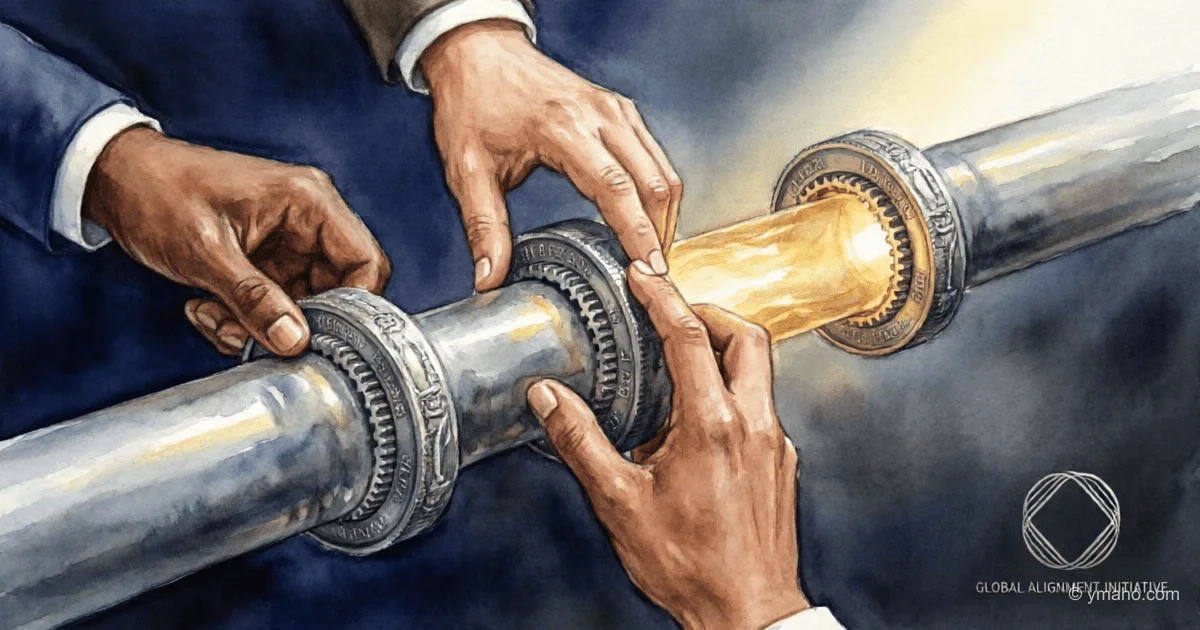
Imagine a situation where the decision of just two countries determines whether fuel flows through pipelines and millions receive financial support. That’s precisely the knot Kyiv, Budapest, and Brussels are now trying to untie—centered on the Druzhba oil pipeline and a €90 billion loan from the European Union.
A Deal with Three Conditions
Hungarian Prime Minister Viktor Orbán publicly stated that Ukraine is ready to resume oil transit via the Druzhba pipeline as early as next Monday. But there’s one condition: Budapest must lift its veto on the European loan. A veto allows a single country to block a collective decision by the entire union. Hungary’s stance follows a simple formula: "no oil, no money." Orbán emphasized that the loan itself doesn’t impose direct financial costs on Hungary, but the veto serves as a political lever.
It’s crucial here to separate verified facts from political statements. At this point, it’s only confirmed that Kyiv’s readiness signal was indeed relayed through Brussels. No final signed agreements exist yet—all remains in active negotiation.
Why the Power Balance Is Shifting
Hungary’s political climate has shifted dramatically. After the ruling party lost the April 12 elections, the tone of official statements softened noticeably. Incoming Prime Minister Péter Márki-Zay has made clear he does not intend to artificially delay funding for Ukraine. In his words, the decision has already been made at the EU level, and the new administration won’t stand in the way.
Meanwhile, Ukrainian Foreign Minister Andrii Sybiha is heading to Luxembourg for a meeting of the EU Council. The main goals: discuss technical details of unlocking the 2026–2027 loan tranche and agree on the twentieth package of sanctions against Russia.
How This Impacts Global Markets
To an outside observer, this may seem like a local political dispute. But in reality, it’s about global energy and financial stability. The Druzhba pipeline isn’t just a pipe—it’s a vital artery for several Central European countries. Any disruption or resumption of supplies immediately affects exchange prices, i.e., market rates at which traders buy and sell raw materials.
Unlocking €90 billion sends a strong signal of confidence to international investors. When major financial flows are unfrozen, overall market nervousness declines. It’s akin to opening a dam’s lock—equalizing water levels across the system: money starts circulating again, and the risk of sudden crashes diminishes.
Key Takeaways
• Oil transit via Druzhba could resume in exchange for Hungary lifting its veto on the EU loan.
• The change in government in Hungary reduces the likelihood of further blocking financial disbursements.
• Talks in Luxembourg will be a key indicator of whether statements translate into binding contracts.
• The situation directly impacts Europe’s energy balance and macroeconomic forecasts.
What Does This Mean for Ordinary People?
If both sides reach a deal, fuel prices in the region will stabilize, and the European currency will gain additional support. For us, this means a lower chance of sharp spikes in gasoline and heating costs in the coming season. The global economy dislikes uncertainty, and every such agreement makes everyday expenses slightly more predictable.
— Editorial Team









