Oil Prices Fall Amid Hopes for U.S.-Iran Peace Deal
Oil prices plunged after hopes emerged for peace talks between the U.S. and Iran. This directly impacts the cost of gasoline and goods worldwide, as oil is the lifeblood of the modern economy.
Why Oil Is So Sensitive to Politics
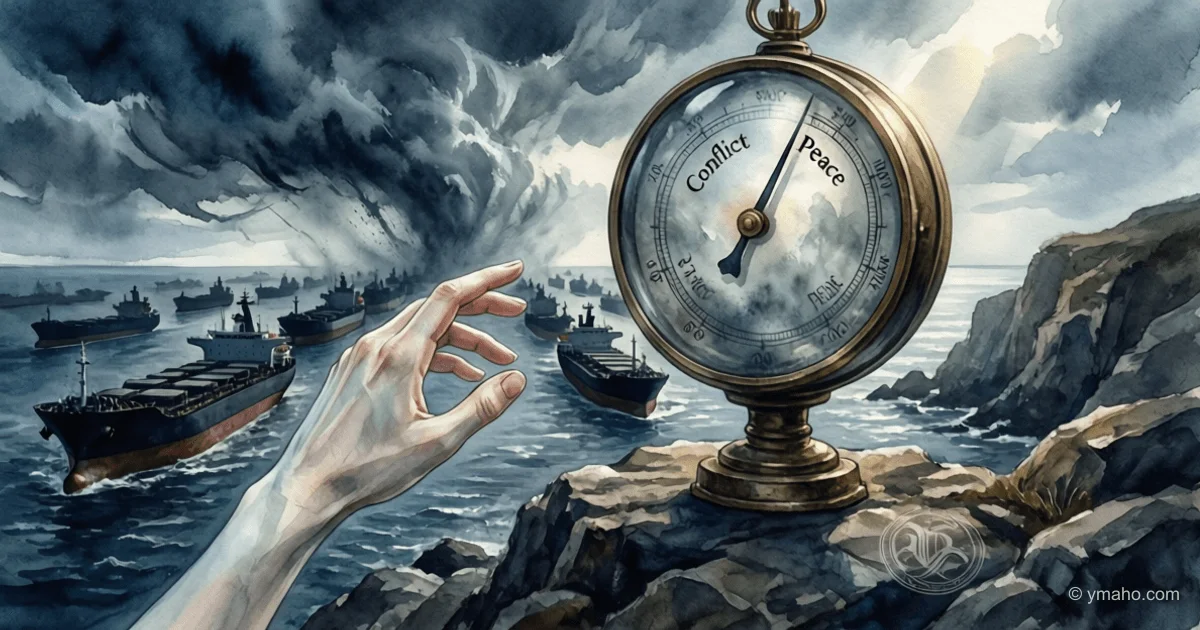
Oil markets act like a giant global barometer, instantly reacting to political tensions in key regions. The Strait of Hormuz is a narrow maritime corridor through which about 20% of the world’s oil passes. Imagine the main water pipe for the entire planet—if it’s blocked, water (oil) instantly becomes more expensive for everyone.
On Monday, prices surged after Iran closed the strait and the U.S. seized an Iranian vessel. This was a classic example of a "supply shock"—when a commodity becomes physically unavailable. But by Tuesday, markets began to fall as rumors surfaced about potential talks in Pakistan.
- Brent crude (the European benchmark) dropped more than 1%.
- WTI crude (the U.S. benchmark) lost nearly 2%.
- Investors started selling, anticipating the conflict might be resolved.
What Is a "Supply Shock" and Why Analysts Are Worried
A supply shock occurs when a commodity suddenly becomes difficult to obtain in sufficient quantities. This isn’t just numbers on a chart—it’s real tankers stuck unable to pass through a blocked strait. Analysts at ING Bank note that the market is currently too optimistic and underestimating real disruptions.
"Optimism seems to be blurring reality," they say. This means if the talks collapse, prices could spike again, because the physical supply problem hasn’t disappeared. The market is playing guesswork, while real tankers sit in line.
Global Consequences of One Maritime Chokepoint
- Transportation costs: When oil gets more expensive, the cost of shipping everything—from groceries to factory components—rises immediately.
- Inflation: Inflation is the general rise in prices for goods and services. Oil is a key ingredient in producing plastic, fuel, and energy, so its price affects everything.
- Sanctions policy: The U.S. uses maritime blockades as a tool of pressure. This shows how financial markets and international politics are now directly linked.
What matters:
- Oil prices react instantly to geopolitical events.
- The Strait of Hormuz is a critical hub for global supply.
- Markets can be overly optimistic, ignoring real physical disruptions.
- Any resolution or conflict here affects prices for consumers in every country.
- This isn’t just a story about oil—it’s about how politics shapes the economy.
What This Means for Ordinary People
When oil prices swing so sharply, it’s not just numbers for traders. Within weeks, it shows up at gas stations and in the overall cost of goods on store shelves. The world is deeply interconnected: a conflict in one corner of the planet can raise your daily expenses. Stable oil supplies are one of the foundations of everyday stability for everyone.
— Editorial Team









