Oil Prices Jump as US-Iran Tensions Threaten Global Shipping Lane
Oil prices spiked overnight after new attacks in a narrow Middle Eastern waterway that carries one-fifth of the world’s oil — and mixed signals from Washington and Tehran suggest peace talks may be falling apart. If this chokepoint stays unstable, your gas bill, grocery prices, and even airline tickets could feel the ripple.
Why a Tiny Strait Causes Big Price Swings
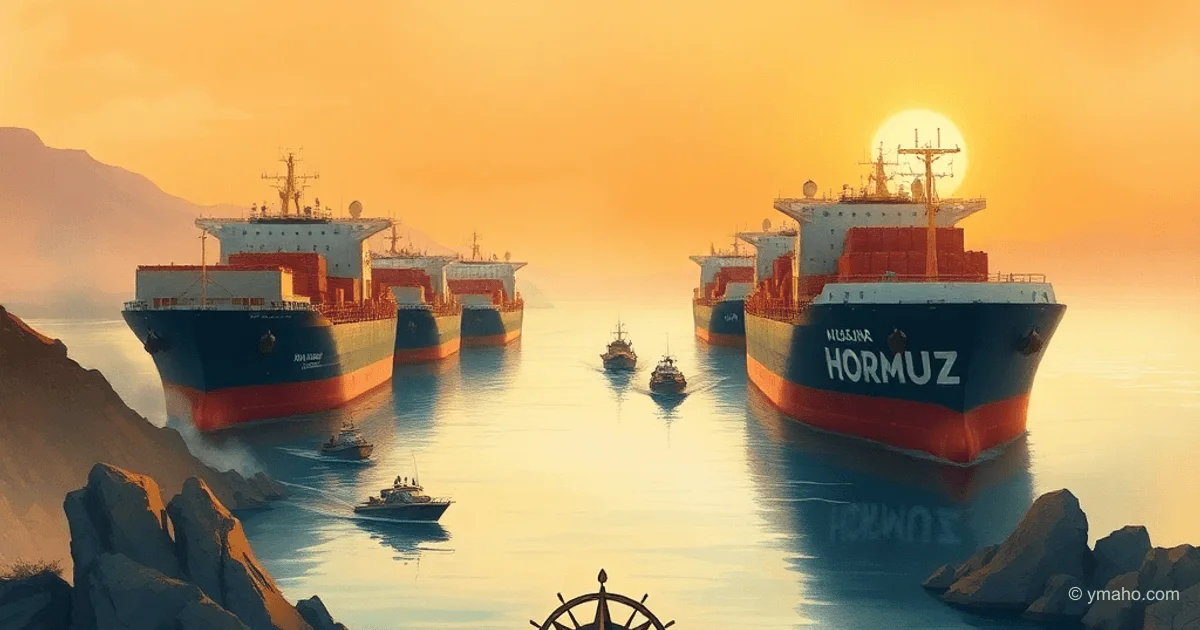
The Strait of Hormuz is like the world’s most important oil turnstile: about 20% of all oil traded globally passes through this 21-mile-wide channel between Iran and Oman. When ships can’t move freely here, it’s like clogging the main artery of the global energy system.
Over the weekend, two commercial vessels came under fire while crossing the strait. One tanker was shot at by Iranian gunboats; another was hit by an “unknown projectile,” according to maritime monitors. Then, U.S. President Donald Trump announced American forces had seized an Iranian-flagged cargo ship trying to bypass U.S. sanctions. Within hours, Iran reversed its earlier claim that the strait was “completely open” and hinted at restricting access again.
This back-and-forth has traders on edge. Brent crude — the global oil benchmark — jumped more than 7% in early trading before settling around $94.70 a barrel, up from under $90 just days ago.
Peace Talks Stall Amid Blame Game
Just days ago, there was hope for calm. A fragile two-week ceasefire between the U.S. and Iran was set to expire Wednesday, and both sides had agreed to meet in Pakistan for follow-up talks. But then things unraveled.
Trump said a U.S. delegation would fly to Islamabad on Monday. Hours later, Iran’s state news agency declared it wouldn’t attend, accusing Washington of making “excessive demands” and maintaining a harsh blockade on Iranian ports. That blockade prevents Iran from exporting oil freely, which hurts its economy — and pushes it to retaliate by threatening shipping lanes.
Meanwhile, vessel traffic through the strait remains far below normal. Only 19 ships crossed on Saturday, compared to the usual 138 per day. Even partial closures scare markets because alternatives are limited and expensive.
What This Means Beyond the Pump
Oil isn’t just about gasoline. It’s woven into everything: plastics, fertilizers, jet fuel, and electricity generation in some countries. When oil prices rise suddenly:
- Airlines often add fuel surcharges
- Trucking costs go up, raising prices for food and goods
- Central banks may delay interest rate cuts if inflation flares
- Countries with weak currencies (like Pakistan or Egypt) feel extra pressure
Governments are already responding. Some have tapped emergency oil reserves, while others are urging citizens to conserve energy — a sign they expect disruption to last.
What Does This Mean for Regular People?
Even if you don’t drive much or live far from the Middle East, this matters. Higher oil prices quietly raise the cost of almost everything you buy. And if tensions escalate into broader conflict, those price hikes could stick around for weeks or months — not just days. For now, the situation is volatile but contained; the real risk is miscalculation turning skirmishes into something bigger.
Key Takeaways
- The Strait of Hormuz handles 20% of global oil shipments — any threat there moves markets instantly.
- U.S.-Iran ceasefire talks appear to have collapsed over sanctions and mutual distrust.
- Oil prices jumped over 7% briefly, settling near $95/barrel — levels not seen in months.
- Fewer than 15% of normal ships are passing through the strait, signaling serious disruption.
- Everyday costs — from groceries to flights — may rise if oil stays elevated.
— Editorial Team









