How Ukrainian Drones Forced Russia to Cut Oil Production — And What It Means for Gas Prices
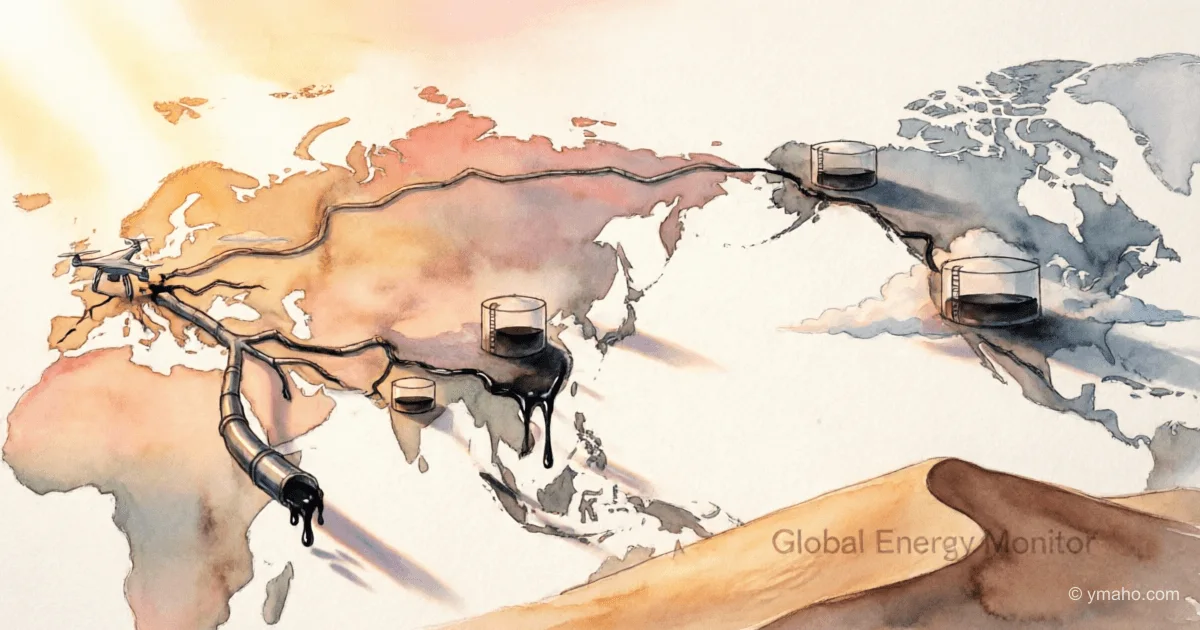
In April, Russia unexpectedly cut its oil production by 300,000 to 400,000 barrels per day—roughly 5% of its exports. This could drive up gas prices at your nearest station, even if you live thousands of miles away from Ukraine. Imagine the world has a shared fuel tank: when one of the top suppliers suddenly cuts back, everyone ends up paying more for every drop.
Why Did Russia Suddenly Slow Down?
According to Reuters, Russian authorities were forced to scale back production following a series of drone strikes by Ukraine. Over the past few weeks, unmanned aerial vehicles damaged key oil ports in western Russia and several refineries, sparking massive fires. Compounding the issue was the shutdown of the Druzhba pipeline, which previously supplied oil to Europe. Experts are calling this the sharpest production drop in six years—the last time markets saw such a decline was during the 2020 coronavirus pandemic.
Why does this matter? Russia is the world’s second-largest oil exporter after Saudi Arabia, pumping roughly 10 million barrels daily. Even a modest cut of 300,000 to 400,000 barrels shifts the global balance. Think of it like a building’s plumbing system: if you shut off one faucet in a large apartment complex, water pressure drops slightly across all units. The same goes for oil—every barrel on the global market counts.
How Does This Affect the Rest of the World?
Oil is the lifeblood of the global economy. When supplies tighten, prices rise across the board—from airline tickets to plastic toys. While Russia is trying to offset losses through higher prices (the market is already strained due to the conflict in Iran), the global deficit will only deepen. Russian Finance Minister Anton Siluanov has already stated that elevated prices will help balance the budget. But for everyday consumers, it means the opposite: shelling out more for fuel, freight, and even groceries.
Here are three key ripple effects:
- Higher gas prices in the coming weeks, even in countries untouched by the conflict
- Accelerated inflation—simply put: when oil gets more expensive, production costs rise for virtually every manufacturer
- New sanctions—Western nations may tighten restrictions if they see these strikes proving effective
Key Takeaways
• This marks the first official confirmation of a production cut since 2022—Russia typically keeps such figures under wraps, citing national security
• Losses are partially offset by record-high oil prices driven by Middle East escalation
• Spring maintenance shutdowns at refineries are worsening the situation—output could dip even further in May
• This is a major blow to Russia’s budget: oil and gas account for a third of all state revenue
What does this mean for everyday people? If you fill up your car or heat your home, expect fuel prices to climb by 5–10% over the next few weeks. It won’t be a sudden spike, but every penny adds up. Moreover, high oil prices fuel broader inflation—meaning not just gas, but shipping, electricity, and plastics will get more expensive. In the long run, events like this push the world toward faster adoption of alternative energy, but for now, we’re still tied to every drop of black gold.
— Editorial Team









