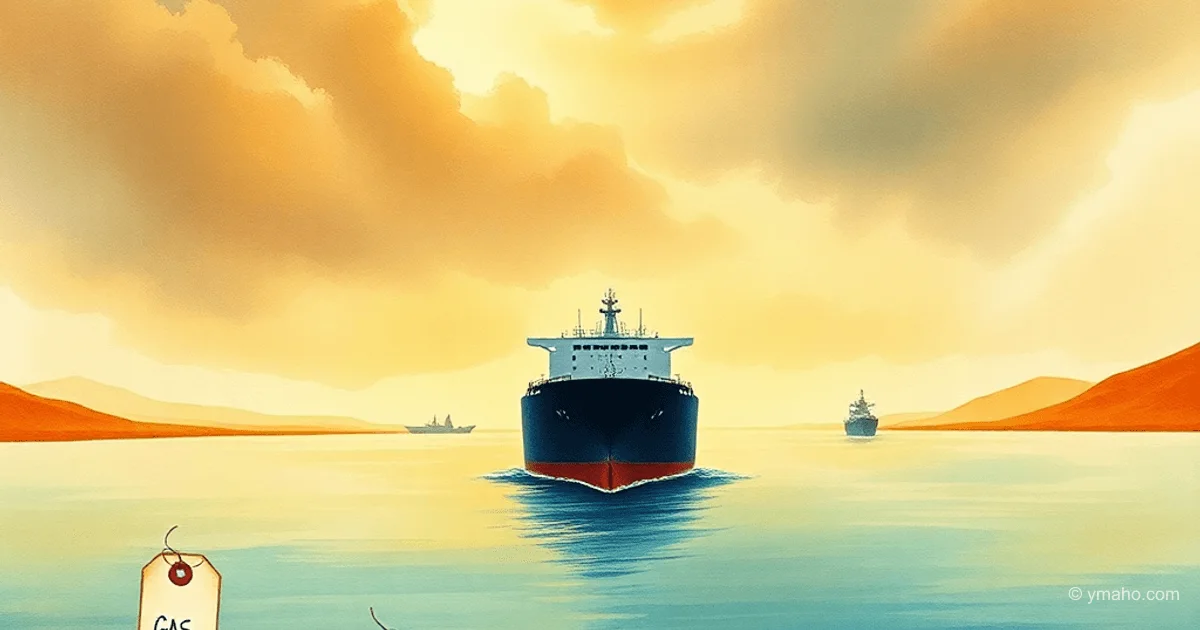
Strait of Hormuz Reopens — What It Means for Global Oil and Everyday Prices
After weeks of tension, Iran has declared the Strait of Hormuz “completely open” to commercial ships — a move that sent oil prices tumbling overnight. This narrow waterway handles about one-fifth of the world’s oil every day, so even a hint of disruption can ripple through gas pumps, grocery bills, and airline tickets worldwide.
Why This Tiny Strait Matters So Much
Imagine the global economy as a giant delivery network. The Strait of Hormuz is like the world’s busiest shipping toll booth — squeezed between Iran and Oman, just 21 miles wide at its narrowest point. Every day, tankers carrying crude oil from Saudi Arabia, Iraq, the UAE, and Kuwait must pass through it to reach markets in Asia, Europe, and beyond.
When this route gets blocked or threatened — even partially — oil traders panic. They assume less supply will reach buyers, so they bid prices higher. That’s exactly what happened during recent US-Iran tensions: oil spiked, and so did costs for anything that relies on fuel.
Now, with Iran saying the strait is open (at least for the next 10 days, tied to a fragile Israel-Lebanon ceasefire), those fears have eased — for now.
Mixed Signals and Real Risks
But don’t pop the champagne yet. While Iran’s foreign minister says the strait is open, other Iranian officials — especially those tied to the powerful Revolutionary Guard — suggest ships still need permission to pass. Meanwhile, former U.S. President Donald Trump claims Iran promised never to close the strait again, yet insists the U.S. naval blockade on Iranian ports remains “in full force.”
This contradiction leaves shipping companies confused and cautious:
- Maersk (one of the world’s largest container lines) says it’s still avoiding the strait until safety is confirmed.
- Hapag-Lloyd is assessing risks but hasn’t resumed transit.
- The Norwegian Shipowners’ Association warns that mines, unclear rules, and military presence make passage uncertain.
In short: the door is cracked open, but no one’s rushing through yet.
Global Response: Cooperation or Chaos?
More than 40 countries met in Paris, hosted by France and the UK, to plan a peaceful mission to keep the strait safe. Their goal? Provide mine-clearing teams, intelligence sharing, and even naval escorts — but only if conditions stabilize.
Germany says it’s willing to help, but only with parliamentary approval and a UN mandate. Finland’s president called for diplomacy over force. Even the UN Secretary-General welcomed the opening as “a step in the right direction.”
Yet Trump publicly rejected NATO’s offer to assist, signaling the U.S. may prefer to act alone — which could complicate international coordination.
What Does This Mean for Regular People?
If the strait stays open, oil prices should stay lower — meaning cheaper gas, shipping, and airfare in the coming weeks. But if fighting resumes or Iran reimposes restrictions, prices could spike again fast. For now, this fragile pause offers hope that everyday costs won’t keep climbing due to Middle East tensions.
Key Takeaways
- The Strait of Hormuz carries ~20% of the world’s oil — its status directly affects global energy prices.
- Iran says it’s open for 10 days; shipping firms remain skeptical due to mixed messages and security risks.
- Oil prices dropped immediately after the announcement, reflecting market relief.
- Over 40 nations are preparing a peaceful mission to secure the route, but U.S. cooperation is uncertain.
- Consumers may see temporary relief at the pump — but long-term stability depends on lasting peace.
— Editorial Team









